Inside Iran War Ceasefire
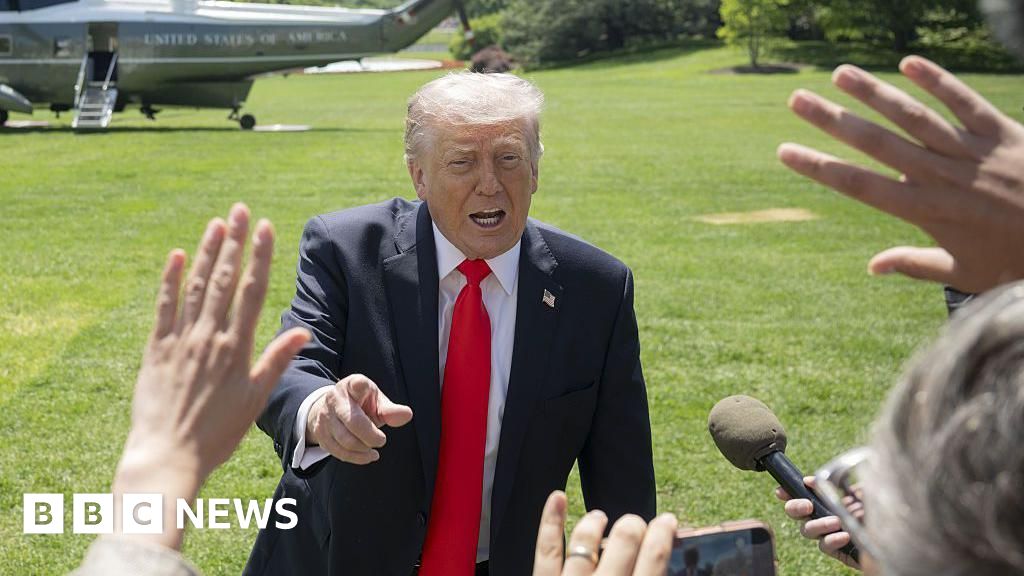
President Donald Trump has told Congress that US hostilities with Iran have "terminated" during an ongoing ceasefire, as he argued he did not need to meet a deadline for legislative approval of the war.
CANADA —
President Donald Trump has told Congress that US hostilities with Iran have "terminated" during an ongoing ceasefire, as he argued he did not need to meet a deadline for legislative approval of the war. Iran War Ceasefire has emerged this Saturday as one of the stories drawing attention in Canada.
Key facts
- President Donald Trump has told Congress that US hostilities with Iran have "terminated" during an ongoing ceasefire, as he argued he did not need to meet a deadline for legislative approval of the war.
- In an exchange with the Democratic senator Tim Kaine, who has forced a vote on several ultimately unsuccessful war powers resolutions on the Iran war, Hegseth claimed that “the 60-day clock pauses or stops in a ceasefire”.
- But in a letter to congressional leaders, Trump said he does not have to comply with that war powers act as the ceasefire agreed with Iran last month had paused the clock on any such obligation.
- The president writes that hostilities "have terminated" because of the ceasefire, arguing he does not need congressional authorisation.
- He said a deal has been hard to reach in part because Iranian leadership was "very confused", after a number of its top military officials were killed in the war.
What we know
Going deeper, In an exchange with the Democratic senator Tim Kaine, who has forced a vote on several ultimately unsuccessful war powers resolutions on the Iran war, Hegseth claimed that “the 60-day clock pauses or stops in a ceasefire”.
On the substance, But in a letter to congressional leaders, Trump said he does not have to comply with that war powers act as the ceasefire agreed with Iran last month had paused the clock on any such obligation.
Beyond the headlines, the president writes that hostilities "have terminated" because of the ceasefire, arguing he does not need congressional authorisation.
More precisely, He said a deal has been hard to reach in part because Iranian leadership was "very confused", after a number of its top military officials were killed in the war.
It is worth noting that Meanwhile, the US Treasury has issued a notice warning that any individual or company that pays Iran a "toll" for passage through the Strait of Hormuz was at risk of violating US sanctions.
By the numbers
“On April 7, 2026, I ordered a 2-week ceasefire,” the letter, addressed to Republican House speaker Mike Johnson and Republican senator Chuck Grassley, the president pro tempore of the Senate, continues. “The ceasefire has since been extended.
On a related note, On the 60th day since he formally notified Congress of strikes against Iran, Trump wrote to congressional leaders on Friday: "There has been no exchange of fire between the United States Forces and Iran since April 7, 2026.
Going deeper, the relevant US law, the 1973 War Powers Resolution, makes certain requirements of a president "within sixty calendar days" of their use of US armed forces in combat.
On the substance, it requires a president to end the use of those forces unless Congress makes a formal declaration of war or allows the president an extension, up to 30 days in length, for the "prompt removal" of troops.
What they're saying
“That’s bullshit” the Senator minority leader, Chuck Schumer, said on X. “This is an illegal war and every day Republicans remain complicit and allow it to continue is another day lives are endangered, chaos erupts, and prices increase, all while Americans foot the bill.”
“President Trump entered this war without a strategy and without legal authorization and today’s announcement doesn’t change either fact,” Shaheen wrote.
“Even a quick reading of the short and clearly written War Powers Resolution makes clear that there is no pause button – and certainly no reset button – under the statute,” the ACLU letter states.
The wider context
On a related note, the law was passed in 1973 to limit the ability of then-President Richard Nixon to continue waging war in Vietnam.
Going deeper, President seemed to suggest that legislative deadline to approve war no longer applies as Democrats push back.
On the substance, Trump’s letter underscores an interpretation of the War Powers Act that is fiercely contested by legal scholars and Democrats, who have argued for weeks that the president’s war in Iran tramples the separation of powers between the three branches of government.
Beyond the headlines, On Thursday, Senate Republicans again blocked a war powers resolution brought by Democrats aimed at ending the conflict in Iran.
More precisely, Donald Trump said in a letter sent to congressional leaders on Friday that hostilities with Iran have “terminated”, suggesting that the 60-day deadline to seek approval from the legislative branch no longer applied.
The bottom line
- The president writes that hostilities "have terminated" because of the ceasefire, arguing he does not need congressional authorisation.
- The relevant US law, the 1973 War Powers Resolution, makes certain requirements of a president "within sixty calendar days" of their use of US armed forces in combat.
- It requires a president to end the use of those forces unless Congress makes a formal declaration of war or allows the president an extension, up to 30 days in length, for the "prompt removal" of troops.


Brent crude surges past $126 as Iran tensions roil markets, then plunges 9%

Colorado Snowpack Hits Record Lows as Late-Season Storm Promises Up to Two Feet
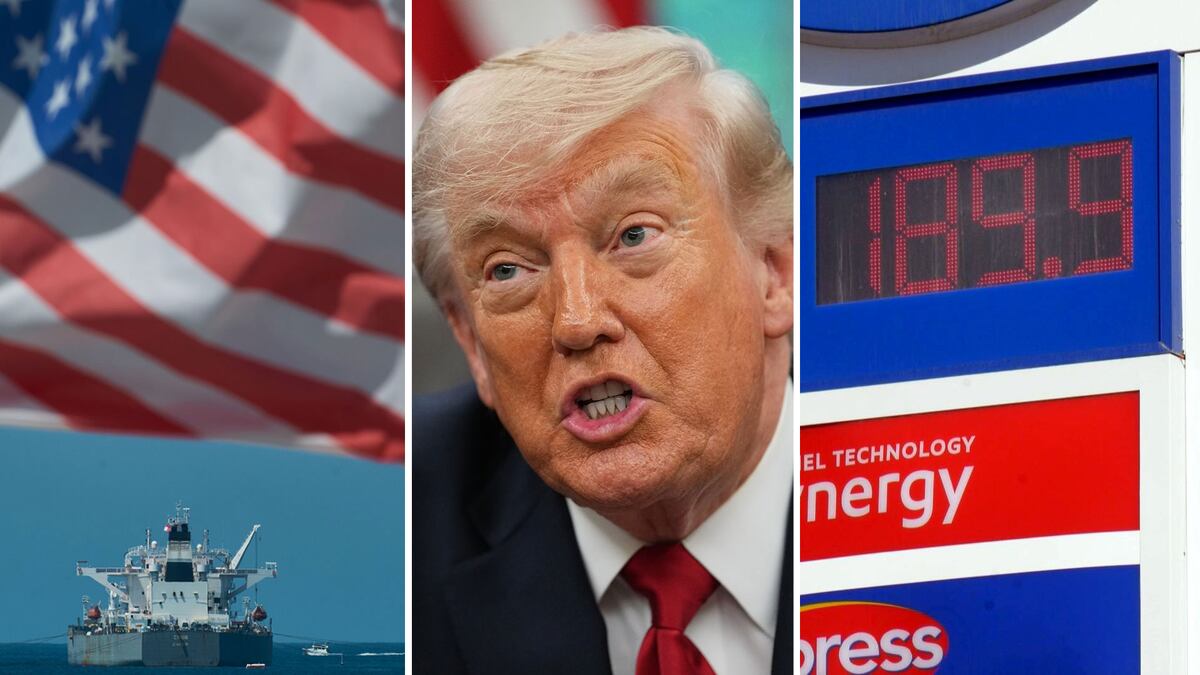
Brent crude surges past $126 as stalled US-Iran talks threaten Strait of Hormuz reopening