Subway service resumes on Line 2 between Jane and Ossington stations
After a multi-hour disruption caused by an incident at track level, commuters navigate service fluctuations and planned shutdowns across Toronto’s transit network.
CANADA —
Key facts
- Line 2 service resumed between Jane and Ossington stations after a delay exceeding three hours.
- Toronto police investigated an incident at track level at Dundas West subway station shortly after 5 p.m.
- Planned signal work necessitated the closure of the Line 2 section between Jane and Ossington stations on March 29.
- Stations including Runnymede, High Park, Lansdowne, and Dufferin are closed due to the planned Line 2 disruption.
- GO Transit is cancelling service along the 31 Kitchener line for the weekend.
- The TTC requires periodic weekend and early weeknight closures for critical infrastructure and state-of-good-repair maintenance.
Service Restored Following Morning Incident
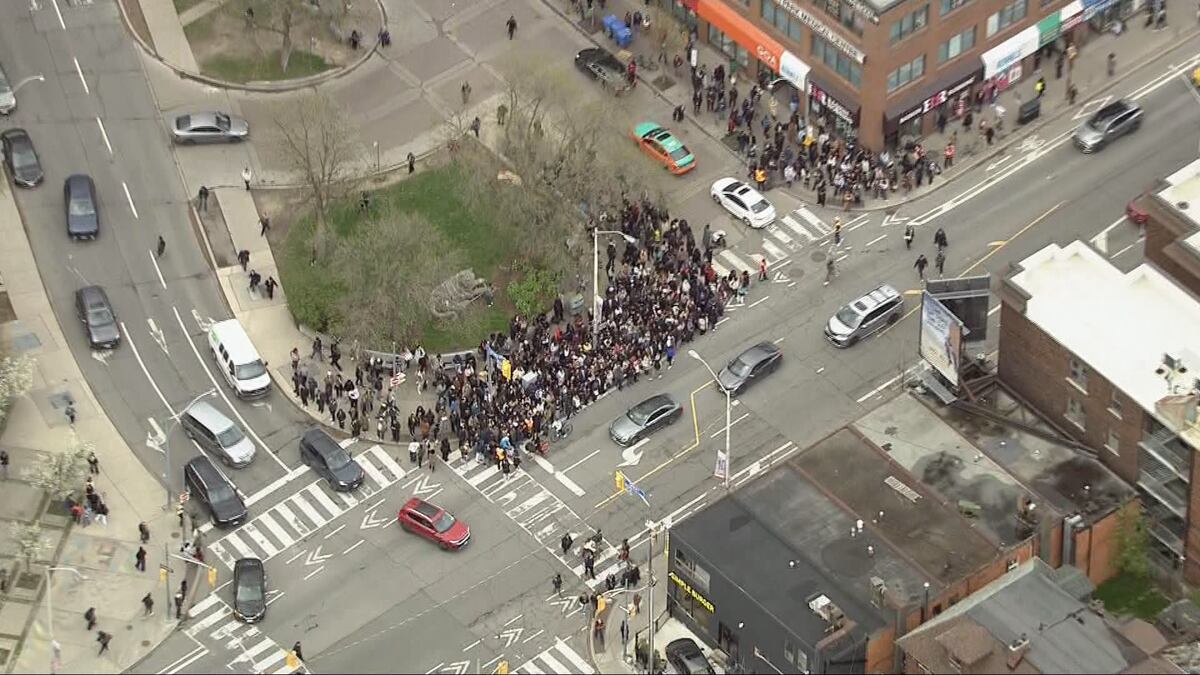
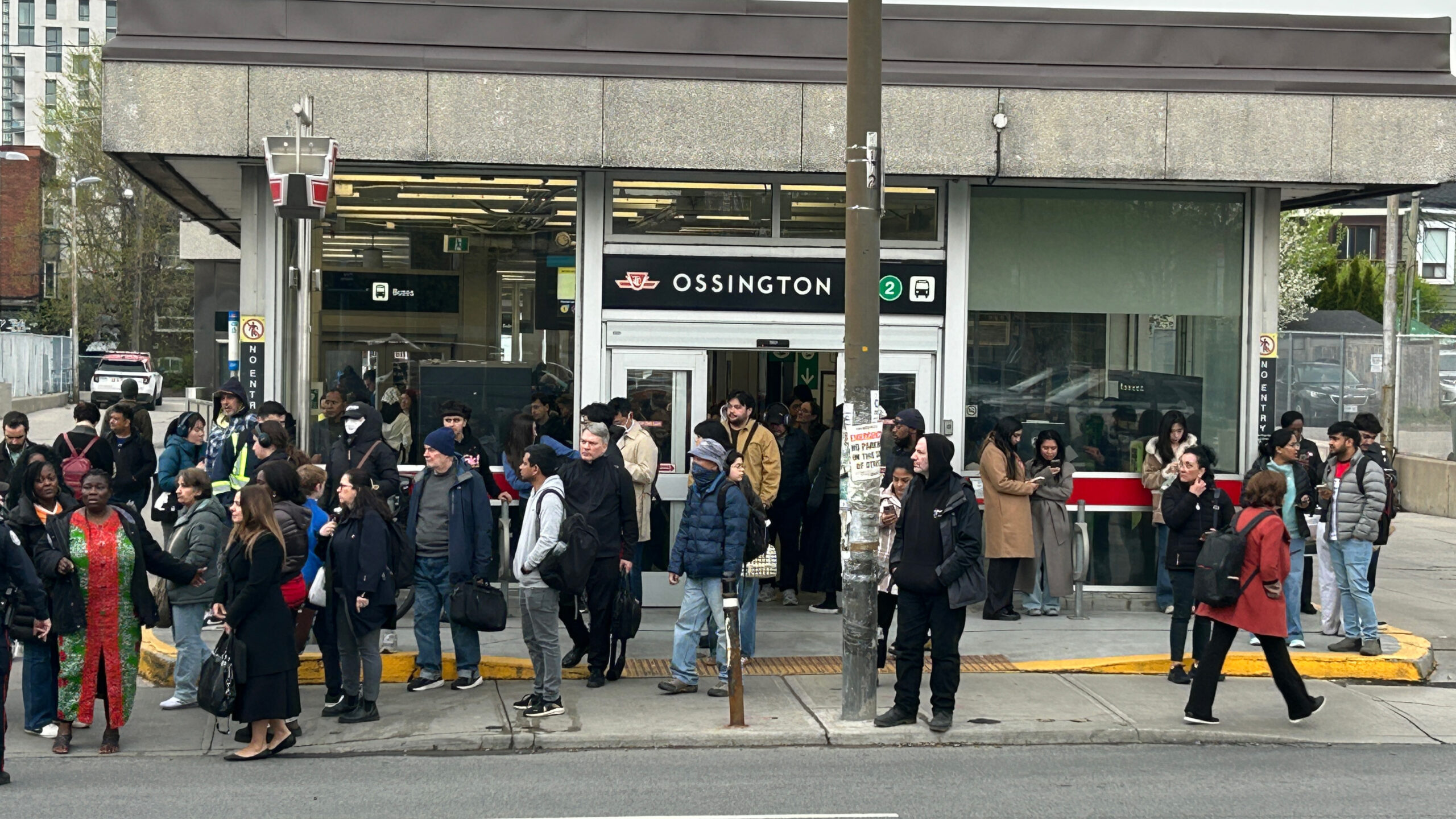
Commuters faced significant delays on Thursday as a portion of Line 2 experienced an interruption during the afternoon and evening rush. Authorities subsequently called Toronto police to investigate an incident that occurred at track level near Dundas West subway station just after 5 p.m. This disruption led to an extended suspension of service, ultimately causing a delay lasting more than three hours. Following the investigation, service was successfully resumed on the segment of Line 2 connecting Jane and Ossington stations. In the interim, shuttle buses were deployed to ferry passengers between the affected stations, mitigating the total closure while investigations concluded.
Upcoming Signal Work Forces Line 2 Closure
Planned signal work necessitates a full closure of the Line 2 Bloor-Danforth subway segment stretching between Jane and Ossington stations on March 29. While the core line runs between Kipling and Jane, and between Kennedy and Ossington, trains will still pick up and drop off passengers at stations in the area of the closure. Mandatory closures will impact several stations, including Runnymede, High Park, Lansdowne, and Dufferin. All remaining subway stations, however, will remain accessible, allowing riders to purchase tickets, load PRESTO cards, and connect to surface bus routes. Crucially, during this planned outage, TTC crews will be actively undertaking vital signal maintenance to ensure the longevity and functionality of the critical infrastructure.
The Scope of TTC Maintenance Requirements
Maintenance of the subway system is an ongoing necessity, requiring the TTC to mandate periodic shutdowns on both weekends and early weeknights. These closures are essential for executing critical infrastructure projects and general state-of-good-repair work. In addition to the Line 2 section, other service curtailments are scheduled. For instance, on Monday, January 22, subway service on the Line 1 Yonge-University portion between Finch and Eglinton stations will cease nightly at 11 p.m. for planned tunnel work. Staff will provide comprehensive assistance, directing riders to Wheel-Trans stops, and shuttle buses will be dispatched for every station along the affected routes. Customers needing general assistance can consult any TTC customer service staff member.
Navigating the Transit Disruptions
The scheduled closures necessitate proactive planning for residents and commuters traveling through the area. For example, those heading toward Dundas West Station and the Bloor GO / the cancellation of service along the 31 Kitchener line by GO Transit for the weekend. While shuttle buses are expected to be frequent, the sheer volume of riders may cause them to become heavily crowded. Alternatively, commuters may opt for regular TTC buses, which provide less frequent and less direct journeys but may present a less stressful alternative to the crowded subway experience. A potential mitigation strategy involves utilizing the 26 Dupont bus route to travel between Jane and St George stations, offering an alternative surface connection during the core subway shutdown.
System Resilience and Future Closures
The TTC’s regular operational model involves conducting most subway maintenance after the period of service each night. However, the complexity of maintaining an aging rail infrastructure means that periodic weekend and early weeknight shutdowns are unavoidable. These planned closures underscore the continuous effort required to keep the city’s subterranean transportation network functioning. The system remains robust enough that key interchange points will maintain service for fare transactions and surface connectivity, even when major lines are severed. This resilience is managed through the deployment of specialized assets like Wheel-Trans and accessible shuttle services.
Planning for the City Commute
To minimize the impact of service disruptions, the best advice is to plan travel well in advance, departing earlier than usual to allow for unexpected delays. The operational reality demands that riders account for both major track incidents, such as the recent Dundas West disruption, and scheduled infrastructural work, such as the upcoming Line 2 signal upgrades. Consistent awareness of the scheduled closures for lines like Bloor-Danforth is therefore crucial for the daily rhythm of the city's workforce.




Journal de Montréal Reporter Suffers Two Strokes

Pistons Return to Second Round for First Time Since 2008, Face Cavaliers in East Semifinals

McKenna Declines World Championship to Focus on NHL Draft Combine