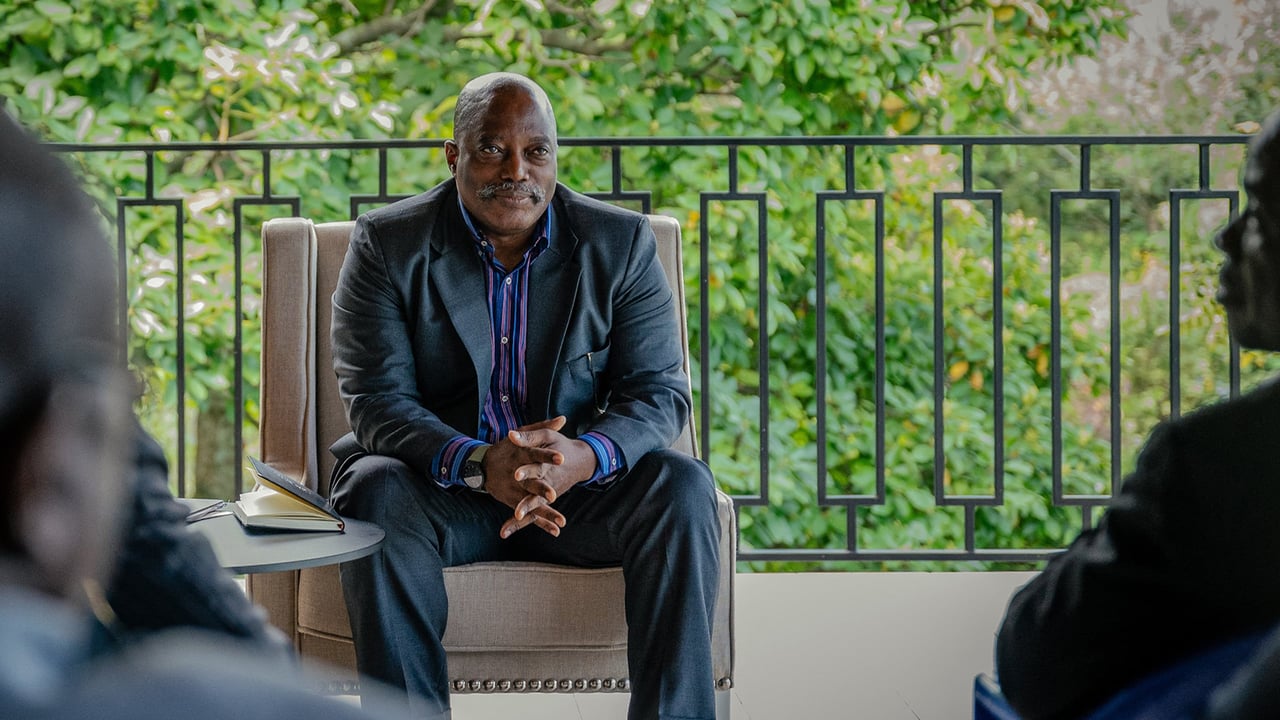
US Sanctions Joseph Kabila for Destabilizing Congo, Freezes Assets
The former Congolese president is accused of supporting the M23 rebel group and its political arm, the AFC, in a move that Washington says sends a clear message against impunity.
CANADA —
Key facts
- The United States imposed sanctions on Joseph Kabila on April 30, 2026, freezing any assets he holds in the US and prohibiting American citizens and companies from doing business with him.
- Kabila is accused by the US Treasury's Office of Foreign Assets Control (OFAC) of supporting the M23 and the AFC to destabilize the government of the Democratic Republic of Congo.
- In September 2025, a Congolese court sentenced Kabila to death in absentia for complicity with the M23.
- The M23 and its allies captured Goma and Bukavu in early 2025, and took Uvira in early December 2025 before withdrawing under US pressure.
- The sanctions are authorized under US presidential executive orders 13413 and 13671, targeting those providing material support to armed groups in eastern Congo.
- The ruling UDPS party has called for a peaceful march on May 2, 2026, in Kinshasa to support the sanctions and will deliver a memorandum of thanks to the US embassy.
- US Secretary of the Treasury Scott Bessent stated that President Trump has made clear that those who continue to sow instability will be held accountable.
- The US recently also sanctioned the Rwandan army for its support of the M23.
Washington Targets Former President for Destabilization
The United States has imposed sanctions on Joseph Kabila, the former president of the Democratic Republic of Congo, accusing him of seeking to destabilize the government in Kinshasa through his support for the M23 rebel group and its political wing, the Alliance Fleuve Congo (AFC). The sanctions, announced on April 30, 2026, freeze any assets Kabila may hold in the United States and prohibit American citizens and companies from engaging in transactions with him. The move comes after the US Treasury's Office of Foreign Assets Control (OFAC) determined that Kabila had provided material support to the armed groups, which Washington describes as "the main vectors of violence and instability" in eastern Congo. According to a statement seen in advance by AFP, Kabila "lived under the protection of the M23" last year in Goma, the group's stronghold in the east.
A Pattern of Instability and a Death Sentence
The sanctions follow a death sentence handed down by a Congolese court in September 2025, which convicted Kabila in absentia for "complicity" with the M23. The M23, backed by Rwanda, has waged a devastating offensive in eastern Congo, capturing the major cities of Goma and Bukavu in early 2025 and routing the Congolese army. In early December 2025, the group seized Uvira, a strategic town on the border with Burundi, just days after the signing of the Washington peace accords, before withdrawing under American pressure. Congolese Interior Minister Jacquemain Shabani welcomed the sanctions, calling them "a logical consequence, even if it took time to come." He added that Kabila is "the instigator, the initiator and the designer of the destabilization of Congo."
Sanctions as Part of a Broader US Strategy
The sanctions are part of a broader US strategy to stabilize eastern Congo, which has been plagued by armed conflict for decades. The US recently imposed sanctions on the Rwandan army for its support of the M23, a move that angered Kigali. Washington is also backing diplomatic processes, including the Washington Accords for Peace and Prosperity and the Doha Framework, to ensure that all parties respect their commitments. US Secretary of the Treasury Scott Bessent, who oversees OFAC, stated that "President Trump works for peace in the Democratic Republic of Congo and has clearly indicated that those who continue to sow instability will be held accountable." The sanctions are authorized under executive orders 13413 and 13671, which allow the US to target individuals and entities providing material, financial, or technological support to armed groups.
Domestic Reactions: March and Memorandum Planned
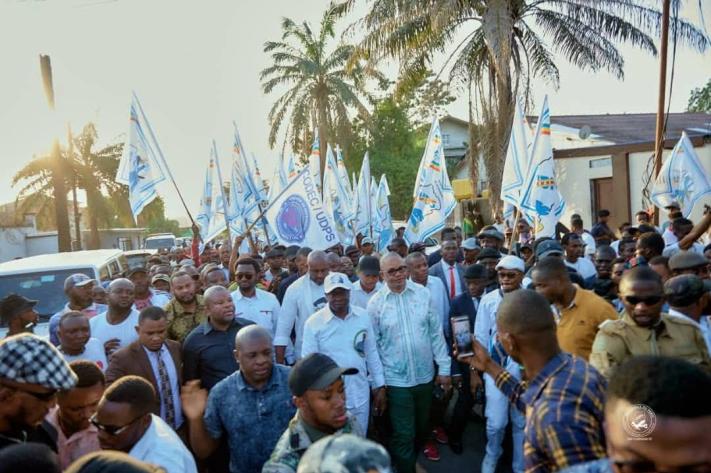
In Kinshasa, the ruling Union for Democracy and Social Progress (UDPS) has announced a peaceful march on Saturday, May 2, 2026, to support the US sanctions. The party, led by President Félix Tshisekedi, plans to mobilize its members and the public to show backing for what it calls a "major decision" regarding the security situation in eastern Congo. The march will proceed from Boulevard Triomphal at 9:30 a.m. to the US embassy, where a memorandum of thanks will be delivered around 11 a.m. Ahead of the march, the UDPS will hold a "moral talk" on Friday, May 1, at its national headquarters in Limete to raise awareness and mobilize activists. The party has called on its political allies, civil society organizations, religious denominations, and students to join the protest. The march underscores the deep political divisions in the country over the crisis in the east.
A Clear Message Against Impunity
The sanctions send a strong political signal that the US is willing to target high-profile figures accused of fueling the conflict. State Department spokesman Thomas Pigott stated that the measure "sends a clear message: we will hold accountable anyone who hinders peace efforts in the DRC." The US also called on regional leaders to distance themselves from any dynamics of violence and to support peace initiatives. The decision has been welcomed by human rights groups, with the African Association for the Defense of Human Rights calling it a "strong signal against impunity." The sanctions come amid a prolonged humanitarian crisis in eastern Congo, where millions have been displaced by the fighting.
Outlook: Pressure Mounts on Regional Actors
The sanctions against Kabila add to mounting international pressure on all parties involved in the conflict. The US has made clear that it expects compliance with the Washington accords and will continue to target those who undermine stability. However, the effectiveness of the sanctions remains to be seen, as Kabila's assets in the US may be limited, and he has been living under M23 protection in Goma. The broader challenge is to translate diplomatic and economic pressure into a lasting peace. The M23's brief capture of Uvira after the accords were signed shows the fragility of the ceasefire. With the US now directly sanctioning a former head of state, the stakes have been raised for all actors in the region.
The bottom line
- The US sanctions on Joseph Kabila freeze his US assets and ban American transactions with him, marking a major escalation in Washington's effort to stabilize eastern Congo.
- Kabila is accused of supporting the M23 and AFC, groups that have captured key cities and caused widespread displacement.
- The sanctions follow a Congolese death sentence against Kabila and come after US sanctions on the Rwandan army for backing the M23.
- The ruling UDPS party in Congo has called a march to support the sanctions, highlighting domestic political divisions.
- The US is using executive orders 13413 and 13671 to target those providing material support to armed groups, signaling a sustained campaign against impunity.
- The effectiveness of the sanctions will depend on whether they can alter the behavior of Kabila and other regional actors, amid a fragile peace process.





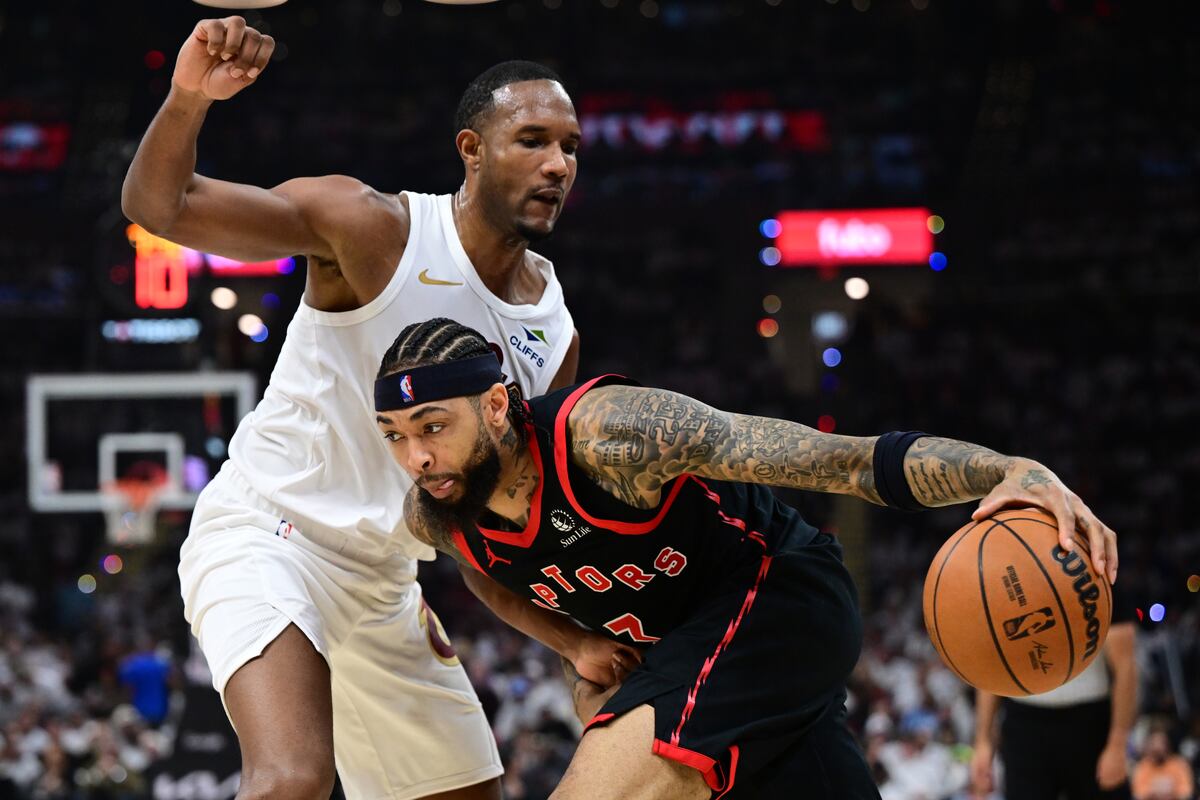
Raptors face elimination without Ingram as heel injury sidelines star forward
Raptors Face Elimination Without Ingram After Heel Injury
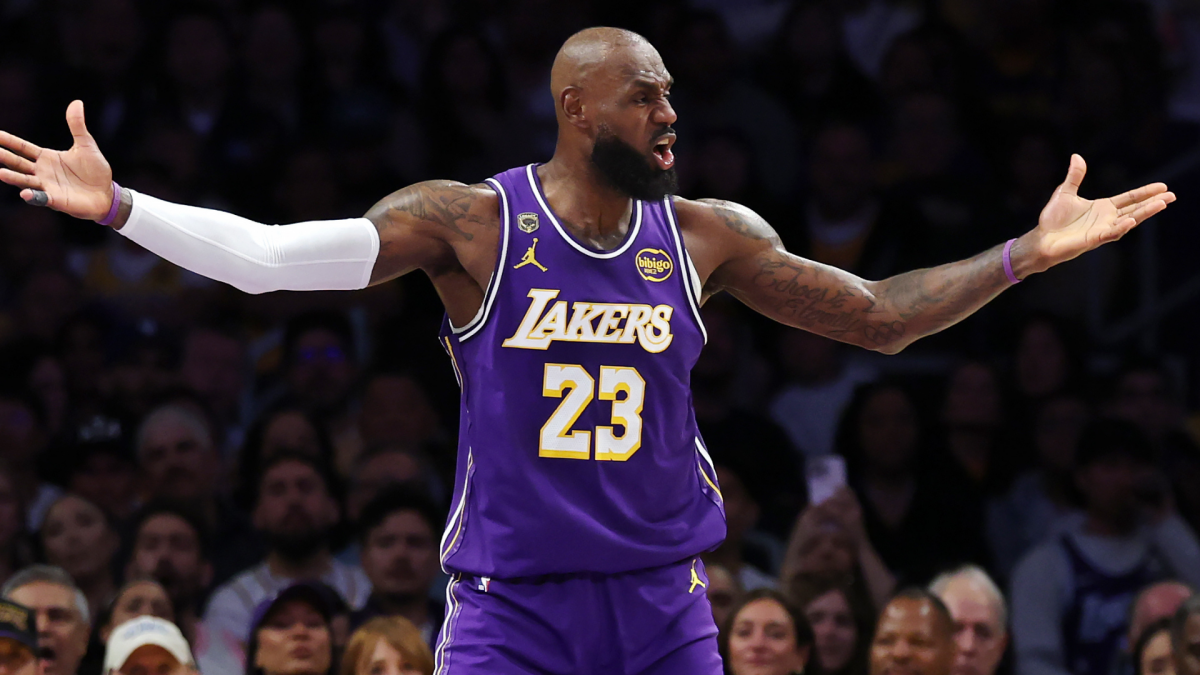
Lakers' Offense Stalls as Rockets Force Game 6, Threatening Historic Comeback