Lena Dunham's 'Famesick' Bestseller Sparks Reckoning With Cancel Culture's Cruelty
In her new memoir, the 'Girls' creator opens up about fame, chronic illness, and the toll of public shaming, prompting apologies from former critics.
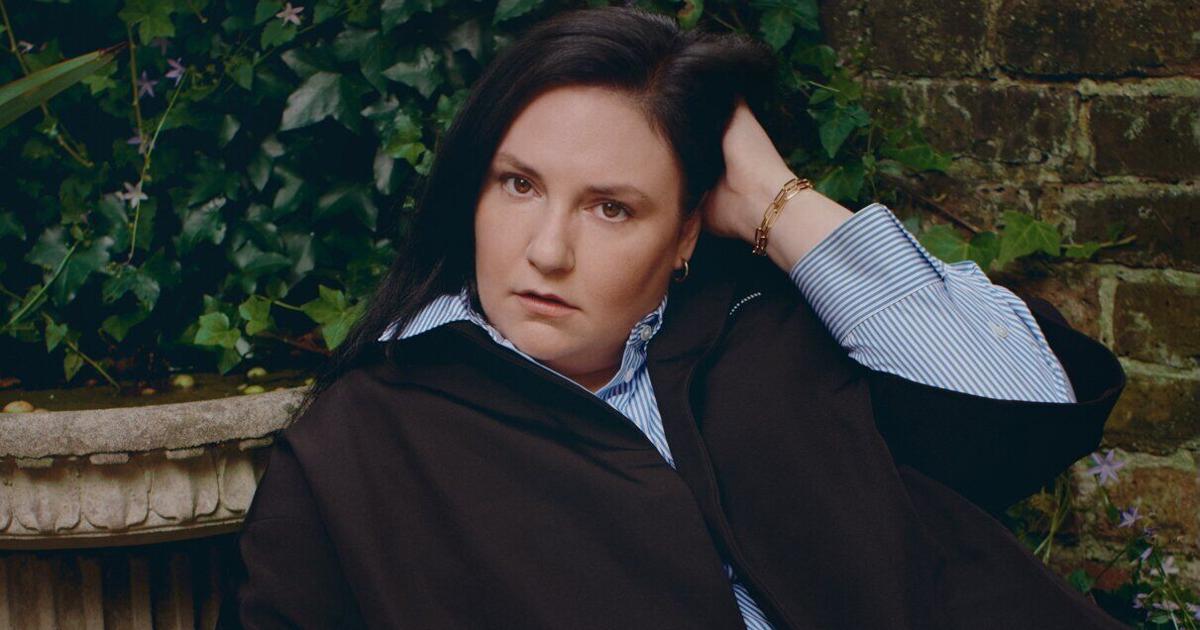
CANADA —
Key facts
- Lena Dunham's memoir 'Famesick' became an instant bestseller upon its release in early May 2025.
- Dunham, 39, was an eight-time Emmy nominee before her 29th birthday for 'Girls'.
- She lives with endometriosis and Ehlers-Danlos Syndrome, a connective tissue disorder.
- Dunham details the dissolution of her five-year relationship with producer Jack Antonoff.
- She writes about co-star Adam Driver throwing a chair during rehearsal and punching a hole in his trailer.
- Critics including Rachel Simon, Sonia Soraiya, and Dave Schilling have publicly apologized to Dunham.
- Dunham plans a Canadian road trip this summer, hoping to visit Prince Edward Island.
- The memoir discusses her opioid addiction and self-destructive behavior driven by fame and illness.
A Bestseller Born From Pain and Fame
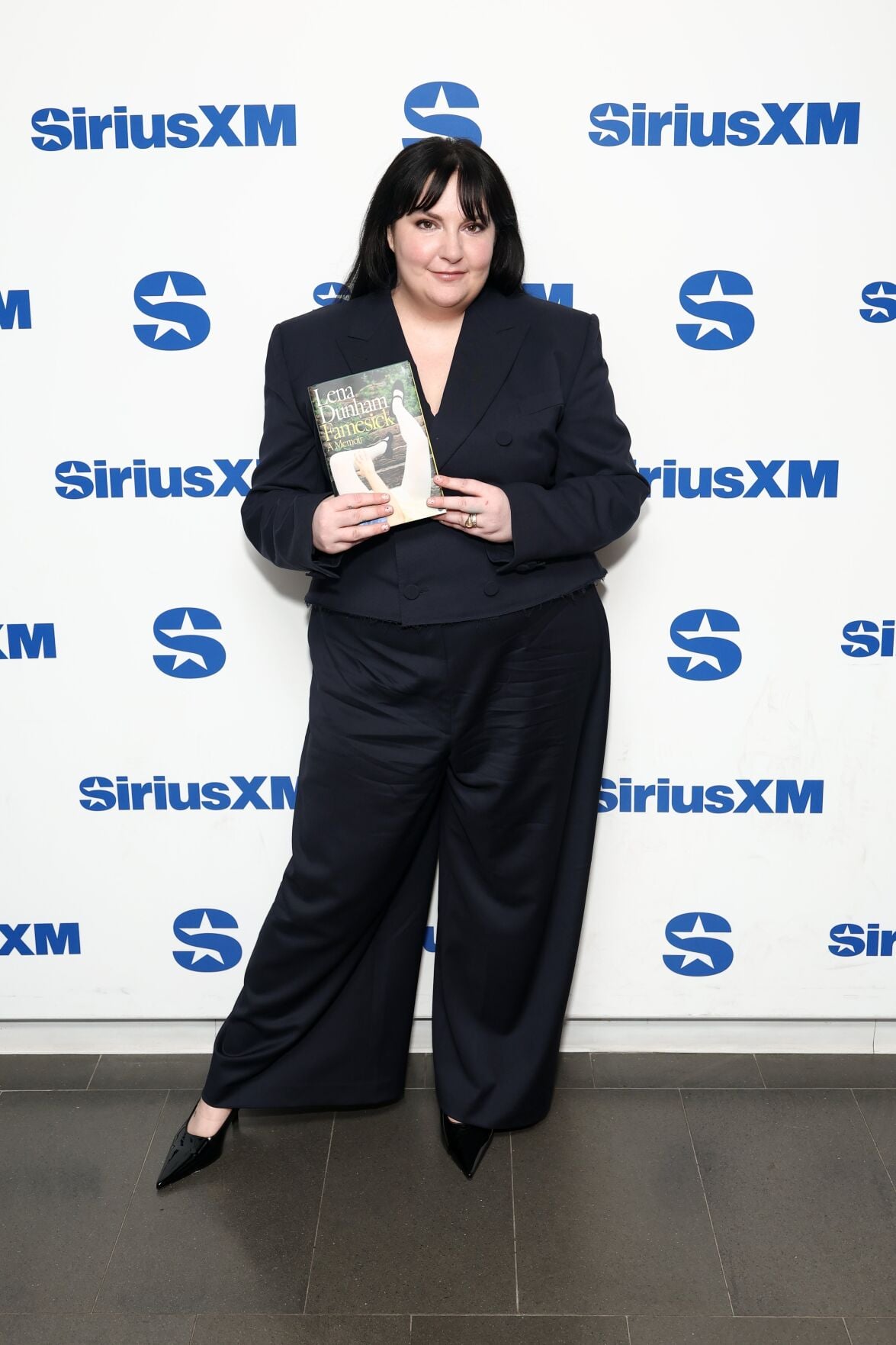
Lena Dunham's new memoir, 'Famesick,' hit shelves earlier this month and immediately became a bestseller, with readers posting on social media about visiting multiple bookstores to find a copy. The book's success marks a dramatic turn for the 39-year-old writer and director, who was once the subject of relentless online vilification. 'Someone did send me a picture of a sign at the cool-kid bookstore in Brooklyn that I always used to go to after work on 'Girls' that said, 'We have Famesick,'' Dunham said. 'I was like, 'This is really one of the most satisfying parts of my creative life.'' Dunham, who rose to fame as the creator and star of the generation-defining series 'Girls,' has weathered years of intense public scrutiny. The memoir, she explained, has resonated with women across generations — not just Millennials, but also women in their 50s, 60s, and 70s, as well as Gen Z readers. 'I know that not everything you make is received with that kind of care,' she said. 'Experiencing something like this at 40 versus at 23 gives you the skills to process it, but also the gratitude to recognize this is a really specific moment where something has really connected for people.'
Chronic Illness and the Toll of Fame
At the heart of 'Famesick' is Dunham's battle with chronic illness. She lives with debilitating endometriosis, for which she underwent a hysterectomy at 31, and was later diagnosed with Ehlers-Danlos Syndrome, a connective tissue disorder that causes fatigue, headaches, and chronic pain. Dunham writes that the stress of fame exacerbated her physical symptoms, driving her into opioid addiction and self-destructive behavior. The combination of public hostility and chronic pain created a vicious cycle that further fueled the discourse against her. Dunham said she feels most protective of the sections of the book that detail her health struggles. The memoir describes multiple surgeries, hospitalizations, and periods when she could barely get out of bed. Her openness about these challenges has struck a chord with readers, many of whom have shared their own experiences with chronic illness on Substack, the only social media platform Dunham still follows.
Apologies From Former Critics Signal a Cultural Shift
The release of 'Famesick' has prompted a wave of public apologies from journalists and commentators who once criticized Dunham. Rachel Simon, writing for MS Now, declared, 'We owe Lena Dunham an apology,' adding that while Dunham 'is, and always has been, a flawed figure,' she never deserved the hatred directed at her. Sonia Soraiya at Slate admitted she was 'wrong about Lena Dunham,' arguing that the discomfort Dunham's work provoked activated her own self-loathing. Dave Schilling at The Guardian wrote, 'I was one of Lena Dunham's haters. I want to say I'm sorry,' reflecting on how the memoir made him rethink his past coverage. These mea culpas represent a broader reassessment of the cancel culture that defined the 2010s. Critics now acknowledge that the intensity of the public conversation about Dunham when 'Girls' premiered in 2012 was overblown and often cruel. With the distance of 15 years, some of the controversies appear remarkably trivial, and Dunham's work is being reclaimed as important art. The apologies to Dunham serve as a way of repudiating the social media shaming and dogpiling that characterized the era.
Cancel Culture's Complex Legacy
The debate over cancel culture is central to the story of Dunham's career. In the 2010s, social media democratized discourse, making elites vulnerable to criticism from ordinary people, but it also divided people into warring factions and fueled constant outrage. The blog-driven media landscape of the time — sites like Gawker, Jezebel, and Slate — incentivized hot takes that generated clicks, often at the expense of nuanced coverage. Dunham, as a powerful showrunner with a knack for saying the wrong thing, became a lightning rod. Yet cancel culture also drove important movements like Me Too and Black Lives Matter. The question now is whether the treatment Dunham received was justified by any of her missteps, and what that says about the destructive potential of online shaming. Defenders of cancel culture argued it held the powerful accountable, but in Dunham's case, the punishment seemed disproportionate to any offense.
Personal Revelations and Unresolved Tensions
The memoir does not shy away from painful personal details. Dunham writes about the slow dissolution of her five-year relationship with music producer Jack Antonoff, including her own infidelity and his 'closeness' to a 'teen pop star' widely speculated to be Lorde. She also recounts her complicated relationship with 'Girls' co-star Adam Driver, who she says once threw a chair at a wall during rehearsal, was 'verbally aggressive,' and punched a hole in his trailer because he disliked his haircut. The pair shared periods of confusing intimacy but have not spoken since the show ended. Dunham said she has heard from people 'tangentially mentioned' in the book but not from the major figures like Antonoff or Driver. She emphasized that the opinions in the memoir are entirely her own, acknowledging that anyone written about may feel misrepresented. 'Anyone who's being written about tends to feel that they're being drawn thinly or incorrectly,' she said, referencing her own depiction in her brother Cyrus's memoir. 'There were moments that it stung, but I also thought, 'Lena, you have to live by the sword, die by the sword.''
A Canadian Road Trip and a Lifelong Dream
Beyond the headlines, Dunham's memoir also touches on her enduring love for Canada. As a child, she took two formative family vacations north of the border, including a stop in Montreal where she discovered the Quebec brand Le Château. She wore a dress from the brand to her prom. Her love of 'Anne of Green Gables' is foundational; she calls the diaries of Canadian author L.M. Montgomery 'shockingly erotic.' A great betrayal of her youth occurred when her parents visited Prince Edward Island without her when she was nine, bringing back only a paper replica of Anne's house. This summer, Dunham and her brother are planning a Canadian road trip that she hopes will culminate in her long-held dream of visiting Prince Edward Island. The trip represents a personal milestone, a chance to reclaim a childhood aspiration that was deferred. For Dunham, it is also a symbol of moving forward — a journey toward a place that has always represented comfort and imagination.
The Redemption of Lena Dunham
The arc of Dunham's career — from celebrated wunderkind to vilified symbol of cancel culture to redeemed memoirist — mirrors a larger cultural reckoning. Her story raises uncomfortable questions about the nature of public shaming, the limits of accountability, and the human cost of online outrage. As one critic wrote, 'To a lot of us, she stopped being a person and transformed into a symbol. I can't think of anything more unfair.' Dunham herself seems aware of the cyclical nature of fame and forgiveness. She has heard all the criticisms of 'Girls' and her public persona, but she no longer cares. Instead, she is focused on the readers who have connected with her book, the women in their 50s and 60s who see themselves in her struggles, and the Gen Z fans discovering her work anew. The memoir, she said, is about love — both as a destructive force and as the nourishing kind she has found with her husband, musician Luis Felber. In the end, 'Famesick' is not just a chronicle of pain but a testament to survival.
The bottom line
- Lena Dunham's 'Famesick' became an instant bestseller, prompting apologies from former critics who now see her as a victim of cancel culture's excesses.
- The memoir details her battles with endometriosis and Ehlers-Danlos Syndrome, which were exacerbated by the stress of fame and led to opioid addiction.
- Dunham writes about the end of her relationship with Jack Antonoff and her difficult dynamic with 'Girls' co-star Adam Driver.
- The public reassessment of Dunham reflects a broader cultural shift away from the social media shaming that defined the 2010s.
- Dunham plans a Canadian road trip this summer, fulfilling a lifelong dream to visit Prince Edward Island.
- The memoir's success underscores a renewed appreciation for Dunham's work and a recognition of the human cost of online outrage.




Who Is Canada’s Oldest Company Now? The Hunt for a Successor to Hudson’s Bay

Sabres’ Defensemen Power Playoff Push as Buffalo Seeks Series Win in Boston

Montreal Metro Resumes After Hour-Long Shutdown; Canadiens Eye Series Win
