Violence in NHL playoffs: fans, educators question sport's culture of intimidation
A Montreal teacher's dilemma over discussing the Canadiens-Lightning series with students highlights growing unease with the league's tolerance of dangerous hits.
CANADA —
Key facts
- Reader Mr. Barrière wrote to journalist Martin Leclerc about his struggle to discuss NHL playoff violence with his students.
- Charles-Édouard D'Astous was injured by Josh Anderson in Game 1; Anderson received only a minor penalty.
- Juraj Slafkovsky suffered a violent check from Max Crozier in Game 4, risking serious brain injury.
- The Lightning scored immediately after the Crozier hit on Slafkovsky and won the pivotal Game 4.
- Multiple readers say they have stopped watching playoff games due to the violence.
- Some readers accuse journalists of staying silent to protect their livelihoods.
- Sidney Crosby was also the victim of a dangerous check at the Milan-Cortina Games with little protest.
A teacher's moral dilemma
A Montreal educator, identified only as Mr. Barrière, wrote to journalist Martin Leclerc after watching the first games of the Canadiens-Lightning series, saying he did not know how he would discuss hockey with his students the next day. He wondered what he could tell them when they face bullying at school, when parents lose control at minor hockey games, or when they receive hateful messages on social media. Barrière said he appreciates fast, creative hockey but feels the NHL is regressing, and the style of play in the playoffs is making him disengage.
The truth about Canada's national sport
Leclerc responded bluntly, arguing that Canada's national sport is largely built on intimidation and physical domination at a certain level. With only one puck on the ice and players allowed to hit any opponent to gain possession, speed and creativity cannot freely express themselves, he wrote. In its purest form, a body check serves to separate an opponent from the puck, but in real life—when a cup, a medal, or millions are at stake, or when a team's survival depends on it—it also becomes a golden opportunity to intimidate and injure.
Dangerous hits and minimal consequences
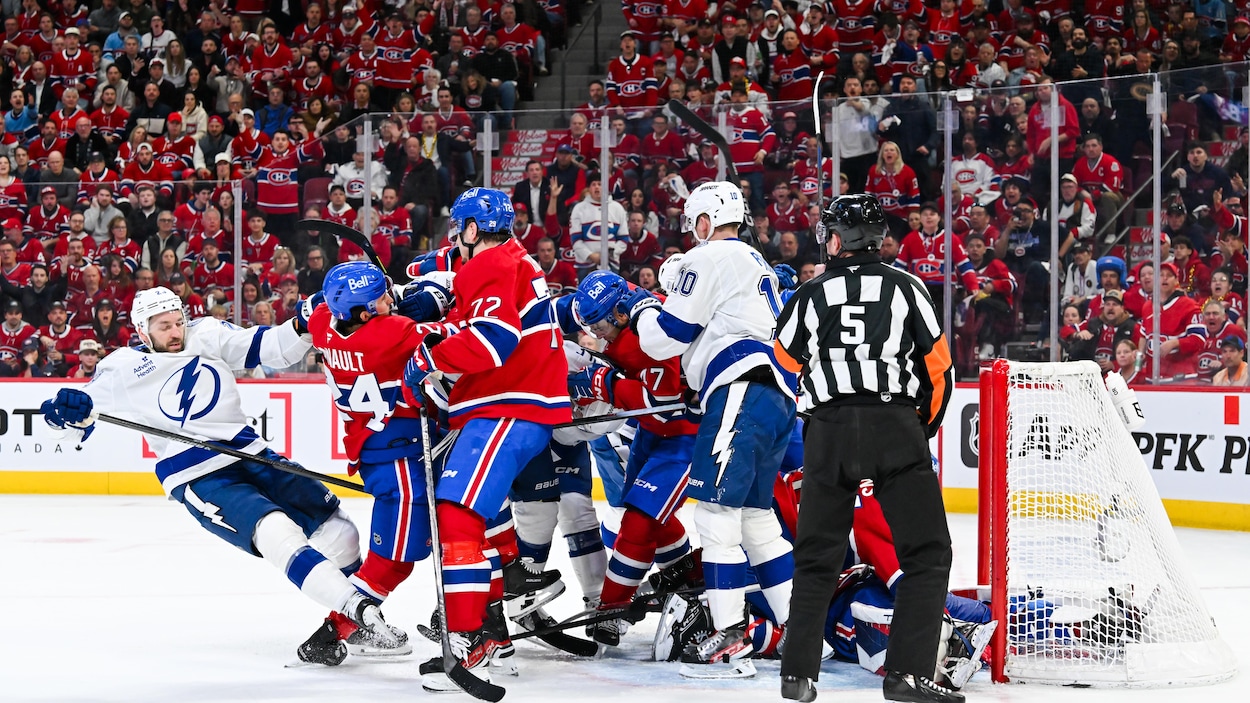
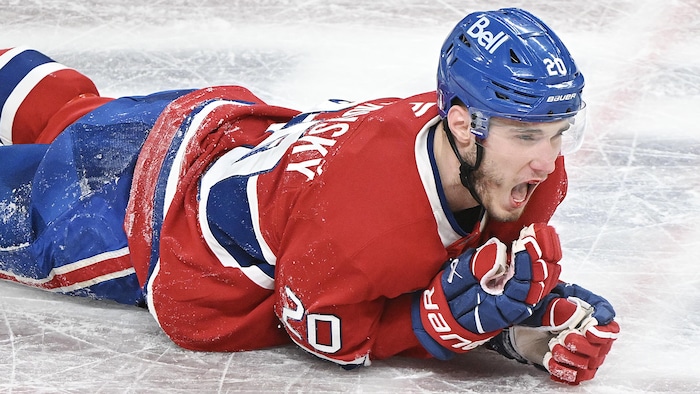
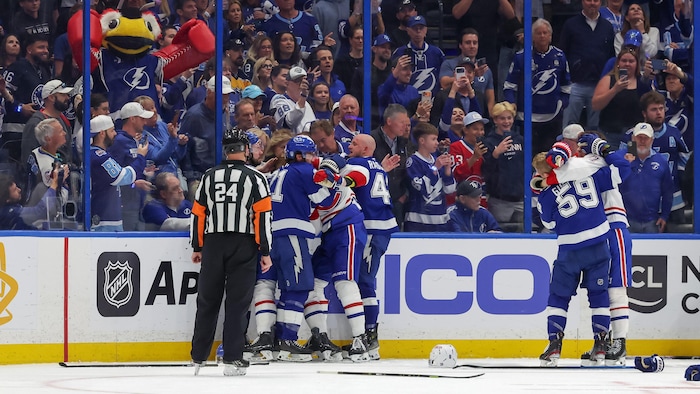
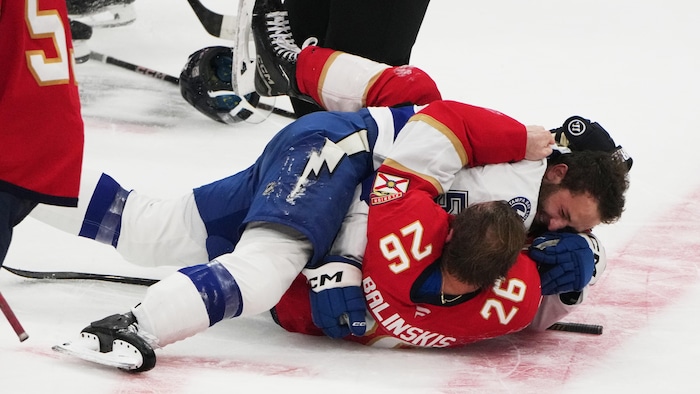
In Game 1 of the series, Canadiens forward Josh Anderson hit Lightning defenseman Charles-Édouard D'Astous, injuring him; Anderson received only a minor penalty. In Game 4, Canadiens forward Juraj Slafkovsky was shaken by a violent frontal collision from Lightning defenseman Max Crozier, a hit that could have resulted in a serious brain injury. Despite the barbaric nature of the hit, it energized the Lightning players, who scored immediately afterward and went on to win the crucial game.
Fan backlash and journalist silence
Since the start of the playoffs, several readers have written to Leclerc to denounce the violence they witness constantly. Some say they have completely stopped watching games, while others accuse journalists of remaining silent to protect their livelihoods. Leclerc noted that few people protested when Sidney Crosby was the victim of a dangerous check at the Milan-Cortina Games, suggesting a double standard or acceptance of such violence as part of the game.
The nature of the game
Leclerc argues that the violence in today's NHL is more disturbing because it is sneaky, disorganized, and cowardly. The hits on D'Astous and Slafkovsky were accepted as part of the game, reflecting a culture where intimidation is normalized. As responsible citizens, many people struggle to cope with such a crude reality, but the fact remains: this is the nature of the sport at its highest level.
What comes next for the NHL and its fans
The ongoing series between the Canadiens and Lightning has brought the issue of violence to the forefront, with educators like Mr. Barrière caught between their love of the game and their duty to teach respect and safety. The NHL faces growing pressure from fans and educators to address the culture of intimidation, but the league has shown little appetite for significant rule changes. As the playoffs continue, the question remains whether the sport can evolve beyond its violent roots.
The bottom line
- A Montreal teacher's public struggle reflects broader unease with NHL playoff violence.
- Dangerous hits on D'Astous and Slafkovsky resulted in minimal penalties, drawing criticism.
- stopping watching games due to the level of intimidation and violence.
- Journalists are accused of staying silent to protect their access and livelihoods.
- The NHL's culture of physical domination is deeply embedded, with little protest even when stars like Crosby are targeted.
- The league faces a growing disconnect between its product and the values of educators and responsible citizens.



Marta Kostyuk Stuns Mirra Andreeva to Win First WTA 1000 Title in Madrid

Lost Oscar Found: Lufthansa Locates Statuette Forced Into Checked Luggage
Delhi Capitals Chase Down 225 to Hand Rajasthan Royals Seven-Wicket Defeat in Jaipur