Maine Governor Janet Mills Ends Senate Bid as Progressive Challenger Surges
The 78-year-old Democrat suspends her campaign weeks before the primary, clearing the path for Graham Platner to challenge Republican incumbent Susan Collins.

CANADA —
Key facts
- Maine Gov. Janet Mills ended her Senate campaign on Thursday, weeks before the June 9 primary.
- Graham Platner, a 41-year-old oyster farmer and military veteran, becomes the presumptive Democratic nominee.
- Mills cited insufficient financial resources as the reason for suspending her campaign.
- Platner drew large crowds and raised substantial funds before Mills entered the race in October.
- Senate Minority Leader Chuck Schumer backed Mills, but the strategy failed.
- Platner has been endorsed by Sen. Bernie Sanders and drew comparisons to Rep. Alexandria Ocasio-Cortez.
- Republican Sen. Susan Collins is seeking a sixth term in a state that Donald Trump lost by 7 points in 2024.
- Democrats need to flip four of six targeted seats, including Maine, to retake the Senate majority.
A Stunning Withdrawal Reshapes the Maine Senate Race
Maine Governor Janet Mills announced Thursday that she is suspending her U.S. Senate campaign, abruptly ending a bid that had once seemed the party’s best hope to unseat Republican Senator Susan Collins. The decision, made weeks before the June 9 primary, leaves Graham Platner as the presumptive Democratic nominee in a race critical to national Democrats’ ambitions to retake the Senate. Mills, 78, entered the race in October, but by then Platner had already built a formidable campaign, drawing large crowds and raising impressive sums. Despite backing from Senate Minority Leader Chuck Schumer and a wave of opposition research targeting Platner, Mills could not overcome the insurgent’s momentum. “While I have the drive and passion, commitment and experience, and above all else — the fight — to continue on, I very simply do not have the one thing that political campaigns unfortunately require today: the financial resources,” Mills said in a statement posted to social media.
Platner’s Rise and the Party’s Generational Shift
Platner, an oyster farmer and military veteran nearly half Mills’ age, tapped into a hunger for generational change within the Democratic Party. His plainspoken, progressive message—railing against the ultra-wealthy, opposing foreign entanglements, and calling for new leadership in Washington—resonated with primary voters. He secured early endorsements from national figures, including Vermont Senator Bernie Sanders, who warned against a Mills candidacy before she launched. “We need to focus on winning that seat & not waste millions on an unnecessary & divisive primary,” Sanders wrote on X at the time. Platner’s campaign also drew comparisons to Representative Alexandria Ocasio-Cortez’s 2018 primary upset. “We should be learning from candidates who are performing and speaking and resonating with the American people,” Ocasio-Cortez said, adding that Platner’s focus on in-person events reminded her of her own rise.
A Bitter Primary Exposes Party Fault Lines
The primary reignited a debate over the role of Senate Democratic leadership in intraparty contests. Schumer’s backing of Mills was seen as an attempt to clear the field for a more electable candidate, but it backfired as Platner’s grassroots appeal proved stronger. Ocasio-Cortez, who has sparred with Democratic leaders in the past, did not criticize Schumer directly but said Democrats could “certainly” learn from Platner’s success. Platner’s campaign faced turbulence after Mills entered the race, as multiple outlets reported on offensive social media posts from his past. In some posts, Platner denigrated police and said rural White Americans “actually are” racist and stupid. Platner has disavowed the posts, saying they do not reflect who he is today. Despite these controversies, he maintained his lead in the primary.
The Stakes for Democrats in a Pivotal Senate Map
Maine is essential to Democrats’ hopes of flipping the Senate, where Republicans currently hold a 53-47 majority. To win control, Democrats must hold every seat they currently control—including in battlegrounds like Georgia and Michigan—and likely win four of six targeted races: North Carolina, Maine, Iowa, Alaska, Ohio, and Texas. The path was once seen as unlikely, but a favorable political environment has opened possibilities. Maine has proven a paradox for Democrats: the party has carried the state in the last three presidential elections, including by 7 points in 2024, but has repeatedly failed to unseat Collins. She won re-election by more than 8 points in 2020, even as a top target. Collins’ resilience, combined with Democratic divisions over age and electability, makes the race an uphill climb.
Republicans Seize on Platner’s Past and Platform
Republicans wasted no time framing Platner as too extreme for Maine. Senator Tim Scott, leader of the Senate GOP’s campaign arm, wrote on social media: “Chuck Schumer and Senate Democrats just coronated a phony who is too extreme for Maine. Susan Collins has always put in the work for her constituents and delivered.” The chairman of the Republican National Committee called Platner “a self-proclaimed communist” and a “nut job” in a post on X. Platner’s past comments and self-described progressive stance provide ample ammunition for the GOP. However, his campaign has emphasized a commitment to defeating Collins, and he struck a gracious tone after Mills’ withdrawal. “We both got into this race because we knew how critical it is to defeat Susan Collins, and her decision today reflects a commitment to that project,” Platner said at a news conference. “I look forward to working closely with her between now and November to do just that.”
What Comes Next for Maine Democrats
With Mills out, Platner must now unify the party and pivot to a general election against a seasoned incumbent. Mills’ supporters, including state legislators like Representative Valli Geiger, expressed excitement about the new direction. “My feet aren’t even on the ground,” Geiger said. “I am so excited about today, not because our governor had to submit to the inevitable and suspend her campaign, but because of what it says about the politics of what is possible.” The primary has demonstrated that Democratic voters are eager for outsider candidates who take an aggressive stance toward President Donald Trump. Whether Platner can translate that energy into a victory over Collins—who has survived national headwinds before—remains the central question. The race will test whether the party’s progressive wing can win in a state that has repeatedly defied Democratic expectations.
The bottom line
- Janet Mills suspended her Senate campaign due to lack of funds, clearing the way for Graham Platner.
- Platner’s progressive, anti-establishment message and early endorsements propelled him past the sitting governor.
- The primary exposed tensions between party leadership and grassroots activists over electability and strategy.
- Democrats must win in Maine to retake the Senate, but Susan Collins has a strong track record of survival.
- Republicans are already attacking Platner as extreme, citing his past controversial statements.
- Platner’s ability to unify the party and appeal to moderate voters will determine his general election viability.


Trump escalates feud with Germany's Merz, hints at troop pullout from Europe
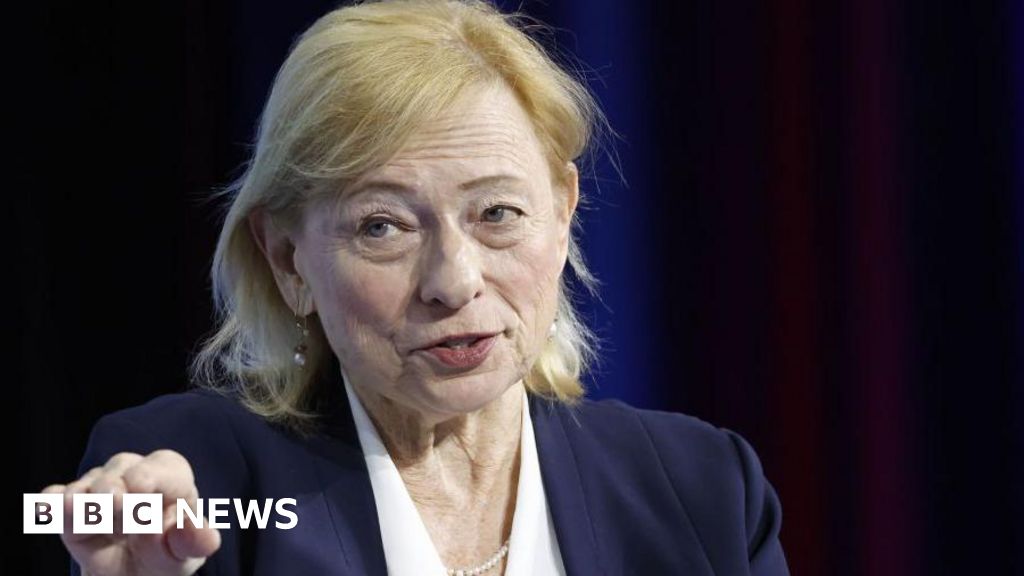
Maine Governor Janet Mills Drops Senate Bid, Leaving Democrat David Platner as Party's Best Hope Against Susan Collins

Trump Signs Permit for Bridger Pipeline, Reviving Keystone XL Route for Canadian Oil