Maldives Police Raid Independent News Outlet, Seize Equipment in Crackdown on Press Freedom
Authorities target Adhadhu after documentary alleging sexual misconduct by President Mohamed Muizzu, sparking international condemnation and fears of a chilling precedent.
CANADA —
Key facts
- Police raided Adhadhu’s headquarters in Malé on April 27, seizing laptops and hard drives.
- The raid was conducted under a court order citing Section 612(a) of the Penal Code, the offense of Qazf (false accusation of adultery).
- Travel bans were imposed on Adhadhu CEO Hussain Fiyaz Moosa and Managing Editor Hassan Mohamed.
- The documentary 'Aisha,' released March 28, features a former employee accusing President Muizzu of sexual misconduct and abuse of power.
- The raid occurred hours after an Adhadhu journalist questioned Muizzu about the allegations at a televised press conference.
- no recognized media industry body was present during the search, violating procedural safeguards.
- Article 28 of the Maldivian Constitution prohibits compelled disclosure of journalistic sources.
Police Raid and Seizure
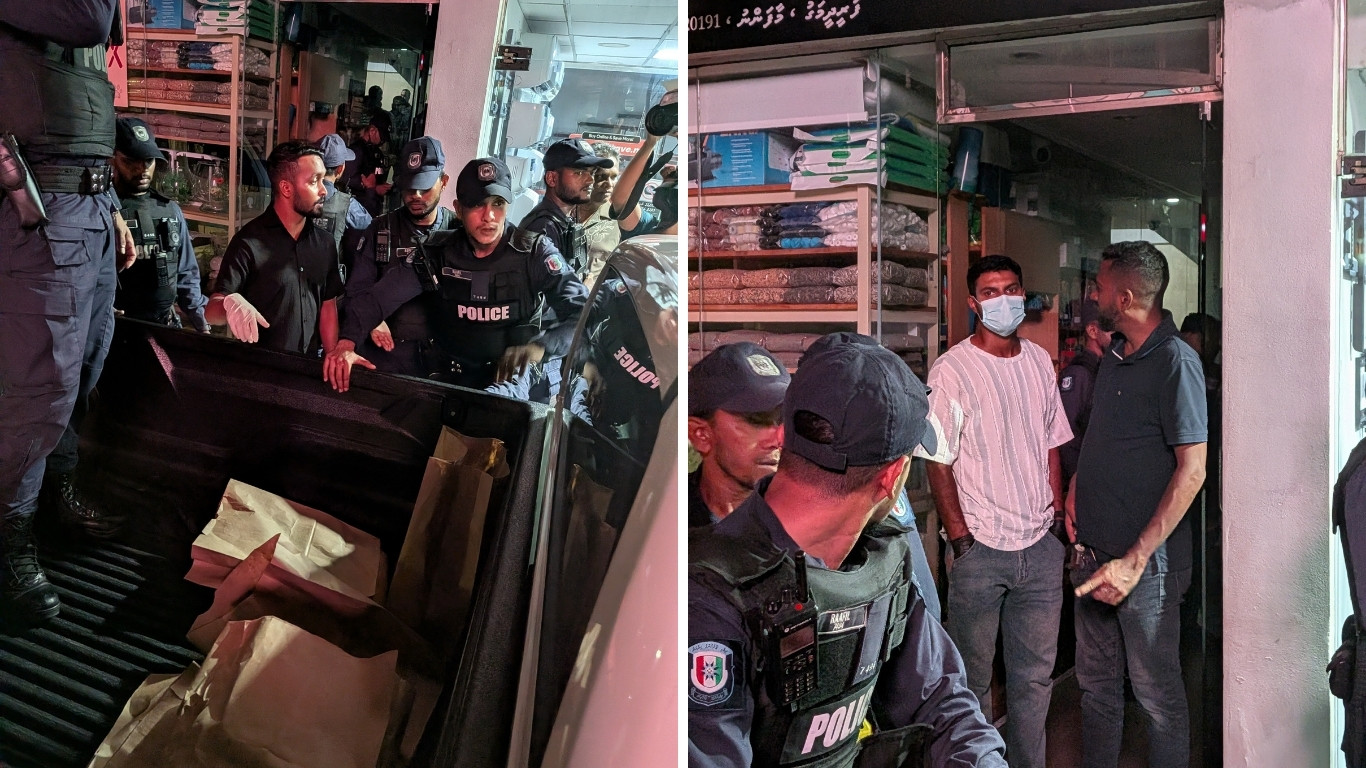
On April 27, Maldives police raided the headquarters of Adhadhu, an independent news outlet in the capital Malé, seizing electronic devices including laptops and hard drives belonging to journalists, marketing staff, and administrators. The operation, conducted under a court order, lasted four hours. Adhadhu’s legal team stated that the warrant did not authorize seizure of materials, yet police proceeded with confiscation. The search warrant cited Section 612(a) of the Penal Code, which criminalizes Qazf, or false accusation of adultery under Islamic law. This marks the first time such a provision has been used against a media outlet in the Maldives.
Trigger: Documentary and Press Conference
The raid followed the March 28 release of 'Aisha,' a documentary in which a former employee of the President’s Office alleged sexual misconduct and abuse of power against President Mohamed Muizzu. Hours before the raid, an Adhadhu journalist questioned Muizzu about the allegations during a televised press conference. Mohamed Junayd, executive director of the Maldives Journalists Association, confirmed the timing to the Committee to Protect Journalists.
Travel Bans and Charges
Following the raid, authorities imposed travel bans on Adhadhu CEO Hussain Fiyaz Moosa and Managing Editor Hassan Mohamed. Both individuals have been summoned to court, with multiple charges reportedly brought against them. Transparency Maldises noted that these actions signal a further escalation in efforts to criminalize press freedom.
Official Defense and Criticism
Minister of Homeland Security Ali Ihusaan defended the police action, stating: 'Spreading fabricated serious accusations is not journalism. Police are upholding the rule of law and the President’s constitutional rights. Responsible freedom comes with accountability. No one is above the law.' The Maldives Police Service and the President’s Office did not respond to requests for comment from the Committee to Protect Journalists. In contrast, the Committee to Protect Journalists called for the immediate return of seized equipment, lifting of travel bans, and cessation of using criminal allegations to silence reporting. CPJ Asia-Pacific Program Coordinator Kunal Majumder said: 'The raid on Adhadhu and subsequent travel bans are an attempt to criminalize investigative journalism under the guise of religious and national interests. Using religious laws to bypass civil media regulations sets a chilling precedent.'
Procedural and Constitutional Violations
Transparency Maldives raised serious concerns about procedural compliance. Under the Criminal Procedure Code, searches involving journalistic data require the presence of a recognized media industry body. Adhadhu’s legal team confirmed that no such organization was present, raising questions about due process. The indiscriminate confiscation of devices also violates Article 28 of the Constitution, which states: 'No person shall be compelled to disclose the source of any information that is espoused, disseminated or published by that person.' Transparency Maldives argued that using criminal provisions to address matters that fall under civil media regulations risks undermining journalism independence and sets a troubling precedent. The organization called for a review of the legality of the raid and strict adherence to court warrants.
Broader Context of Shrinking Civic Space
These developments occur amid ongoing political protests in the Maldives, where reports indicate restrictions on live coverage for some media outlets, heightened law enforcement presence, and instances of excessive use of force. Transparency Maldives described a 'troubling pattern of shrinking civic space that risks undermining democratic governance, accountability, and public trust.' The use of criminal processes against journalists, apparent breaches of due process, and restrictions on media reporting reflect a coordinated effort to stifle dissent.
International Response and Outlook
The Committee to Protect Journalists and Transparency Maldives have both called for the immediate withdrawal of charges, return of seized equipment, and adherence to constitutional protections. The case has drawn international attention, with observers warning that the use of religious law to target journalists could embolden similar crackdowns elsewhere. The Maldivian government has not signaled any willingness to reverse course, leaving the fate of Adhadhu and its staff uncertain as legal proceedings unfold.
The bottom line
- Police raided Adhadhu under a court order citing Islamic law against false adultery accusations, seizing devices and imposing travel bans on its CEO and managing editor.
- The raid was directly linked to a documentary alleging sexual misconduct by President Muizzu and a subsequent press conference question.
- Procedural violations include the absence of a media industry body during the search, as required by law, and potential breach of constitutional source protection.
- Transparency Maldives and the Committee to Protect Journalists have condemned the actions as an attempt to criminalize investigative journalism.
- The crackdown is part of a broader pattern of restrictions on media and assembly amid political protests in the Maldives.


Raptors face elimination without Ingram as heel injury sidelines star forward
Raptors Face Elimination Without Ingram After Heel Injury

Lakers' Offense Stalls as Rockets Force Game 6, Threatening Historic Comeback