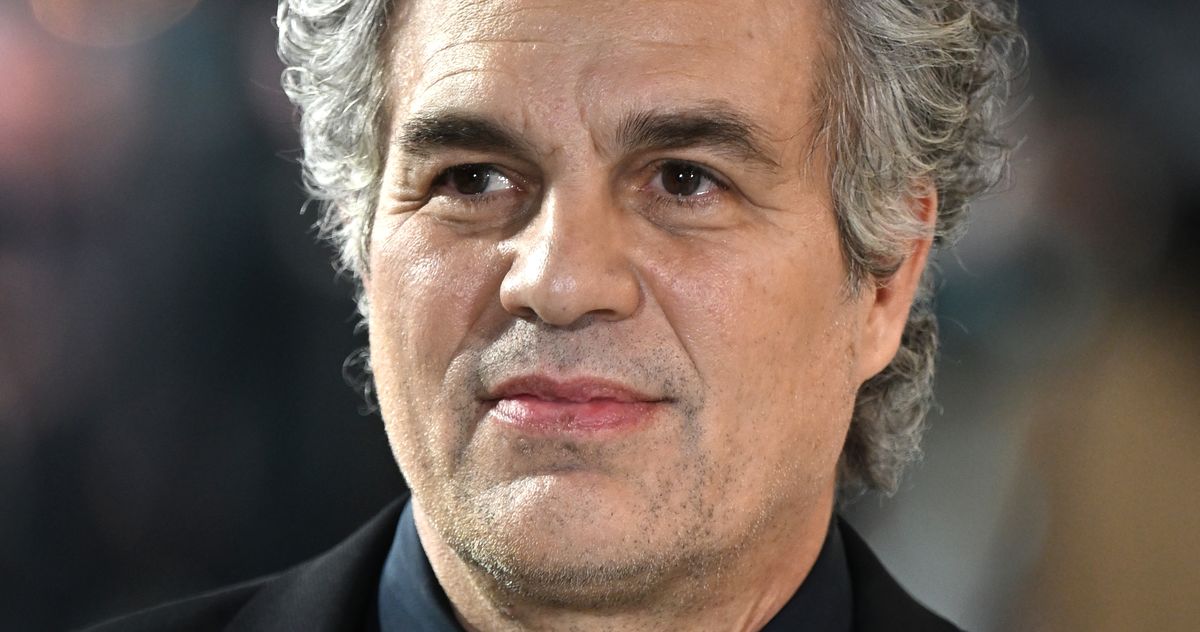
Ruffalo: Hollywood Stars Fear Blacklisting Over Merger Opposition
Actor reveals widespread apprehension among talent to speak out against the proposed Paramount-Warner Bros. deal, citing a climate of fear.

CANADA —
Key facts
- Mark Ruffalo co-authored an op-ed with Matt Stoller in The New York Times.
- An open letter opposing the Paramount-Warner Bros. merger has garnered over 4,000 signatures.
- Prominent figures like Florence Pugh, Pedro Pascal, and Edward Norton signed the letter.
- Directors Yorgos Lanthimos, Sofia Coppola, and Denis Villeneuve also lent their names.
- 75 Oscar winners are among the signatories of the open letter.
- Ruffalo cites fear of retribution and potential blacklisting as reasons for hesitation.
- CNN reportedly declined a segment on the merger due to its parent company, Warner Bros. Discovery.
A Climate of Fear Grips Hollywood
The stark reality of Hollywood's consolidation has cast a chilling shadow over artistic expression, with many prominent figures now too afraid to voice dissent against the proposed Paramount-Warner Bros. merger. Actor Mark Ruffalo, in a recent op-ed penned with American Economic Liberties Project research director Matt Stoller for The New York Times, revealed that a significant number of Hollywood stars declined to sign an open letter aimed at blocking the significant industry transaction. This reluctance stems not from disagreement with the letter's aims, but from a palpable fear of repercussions. "The most revealing thing about that letter wasn’t the people who signed. Not because they disagreed — because they were afraid," Ruffalo and Stoller stated. They identified this apprehension as the most fundamental reason to oppose the deal, a sentiment they encountered repeatedly when soliciting support from artists. The op-ed argues that this fear, while perhaps understandable given recent industry events, has already begun to inflict harm by silencing critical discourse about the industry itself.
The Open Letter and Its Stalwart Signatories
The open letter, which began circulating in April, has managed to amass a substantial coalition of over 4,000 signatures from individuals across the film and television landscape. Its signatories include a constellation of well-known talent, such as actors Florence Pugh, Pedro Pascal, and Edward Norton, alongside acclaimed directors Yorgos Lanthimos, Sofia Coppola, and Denis Villeneuve. The impressive roster extends to include 75 Oscar winners, underscoring the broad, albeit hesitant, opposition to the merger. The letter's core message, articulated on BlockTheMerger.com, expresses "unequivocal opposition to the proposed Paramount-Warner Bros. Discovery merger." Signatories contend that the transaction would further concentrate an already monopolistic media environment, leading to diminished competition. This, they warn, will inevitably result in fewer opportunities for creators, job losses throughout the production ecosystem, increased costs, and a reduced selection of content for audiences. A particularly alarming consequence highlighted is the potential reduction of major U.S. film studios to a mere four.
Fear of Retribution and a Chilling Precedent
Ruffalo and Stoller explicitly address the pervasive fear influencing industry professionals. "We heard time and time again from artists, when asked to sign this letter, that they supported it but were afraid of retribution. Their fear is not unjustified," the op-ed asserts. They point to two recent instances of alleged blacklisting directly linked to the ongoing Paramount-WB merger discussions as evidence of this legitimate concern. One striking example cited involves Mark Ruffalo himself. He was reportedly considered for a CNN segment discussing the merger. However, a producer later informed organizers that the network had decided against featuring him. The producer allegedly explained that the subject was "delicate" for CNN, given that Warner Bros. Discovery is its parent company, and that legal considerations constrained what could be covered or said during the merger's review period. This incident underscores the perceived risks associated with public commentary on the deal.
A Call to Action for Government and Industry
The op-ed, co-written by Ruffalo and antitrust analyst Matt Stoller, extends a direct appeal to both government officials and industry insiders to intervene and halt the merger. The authors urge state attorneys general to take decisive action, suggesting they should "block the merger 'on antitrust grounds,'" a move they contrast with the likely inaction of "President Trump’s antitrust enforcers." Meeting during the Writers Guild strike in 2023, Ruffalo and Stoller found common ground in their analysis of Hollywood's relentless consolidation. They perceived this trend as the root cause of many issues plaguing the industry, enabling corporations to implement cost-cutting measures at the expense of workers and creative output. Their op-ed emphasizes that despite the intimidating nature of the Paramount-Warner Bros. Discovery merger, opportunities remain for intervention by those within the industry and governmental bodies.
The Power of Collective Action
Beyond the call for official intervention, Ruffalo and Stoller encourage continued solidarity among film and television professionals. They champion initiatives like the open letter as crucial acts of resistance against the encroaching corporate power. The authors express confidence that even though many in Hollywood may be hesitant to speak out publicly due to fear, a "growing coalition" can indeed shift the momentum. Their concluding remarks in the op-ed convey a message of hope and defiance. "We’ve seen what happens when monopoly-leaning companies benefit from a fear that silences dissent. But our growing coalition is demonstrating that when we don’t get stuck on the sidelines, don’t bow down to inevitability and join together to fight, we can win." They posit that a successful stand against the consolidation of the entertainment industry could serve as a model for broader societal challenges, suggesting that "If we can defeat the oligarchs trying to seize control of our TV shows and movies, maybe we can do it elsewhere, too."
The bottom line
- A significant number of Hollywood professionals are hesitant to publicly oppose the Paramount-Warner Bros. merger due to fear of blacklisting.
- Actor Mark Ruffalo and analyst Matt Stoller highlighted this pervasive fear in a New York Times op-ed.
- An open letter opposing the merger has garnered over 4,000 signatures, including from major industry figures.
- Concerns about the merger include reduced competition, fewer creator opportunities, and job losses.
- Ruffalo and Stoller urge state attorneys general to block the deal on antitrust grounds.
- The authors believe collective action and solidarity can overcome corporate consolidation and silence.


Lotto Max Jackpot Climbs to $70 Million as Major Prizes Go Unclaimed

Nintendo Announces Star Fox Remake for Switch 2

Dahlin, Makar, Werenski Vie for Norris Trophy
