Eta Aquarid meteor shower peaks tonight as Earth plows through Halley's debris
Canadian stargazers face moonlight interference but may still catch 10-30 meteors per hour before dawn on May 6.
CANADA —
Key facts
- Eta Aquarid meteor shower active from April 19 to May 28, 2026.
- Peak overnight on May 5-6, with best viewing predawn May 6.
- Southern hemisphere tropics may see up to 50 meteors per hour under ideal conditions.
- Northern hemisphere rates: 10-30 meteors per hour, possibly under 10 due to 84%-lit waning gibbous moon.
- Radiant located in constellation Aquarius, rising above eastern horizon about three hours after midnight.
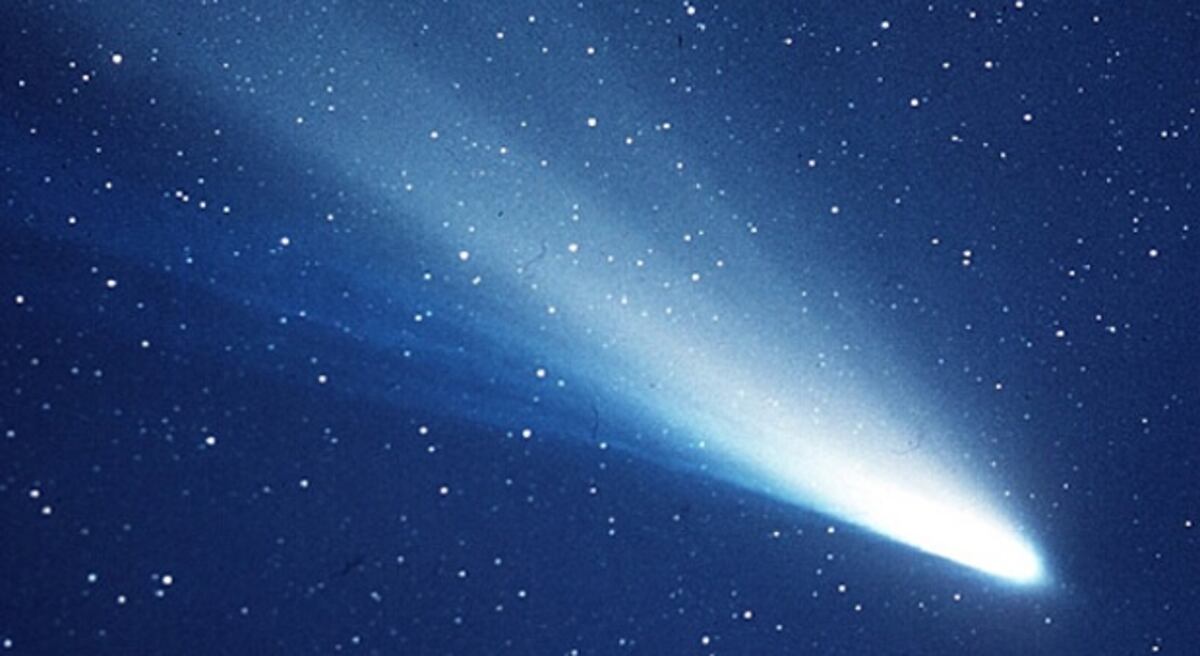
- Meteors are debris shed by Halley's Comet.
- American Meteor Society provided the hourly rate estimates.
A celestial display unfolds tonight
Canadians willing to stay up late or rise before dawn could witness the Eta Aquarid meteor shower at its peak Tuesday night into Wednesday morning. The shower, active since April 19, reaches its climax overnight on May 5-6, offering a chance to see fast-moving shooting stars as Earth barrels through the debris trail left by Halley's Comet. The best viewing window opens in the predawn hours of May 6, when the shower's radiant — the point in the sky from which the meteors appear to emanate — climbs to its highest altitude for northern hemisphere observers. For those in the southern hemisphere tropics, the spectacle is even grander: under ideal conditions, up to 50 meteors may streak across the sky each hour, according to the American Meteor Society.
Moonlight dims the show for northern viewers
Stargazers in the northern hemisphere face a significant obstacle: a waning gibbous moon, 84 percent illuminated, rises above the southeastern horizon shortly after midnight on the night of May 5-6. Its glare will flood the sky, likely outshining many fainter meteors and reducing the visible hourly rate. While the American Meteor Society estimates that northern observers could see 10 to 30 meteors per hour, the moonlight may push that number below 10. The contrast is stark with the southern tropics, where the moon's interference is less pronounced and rates can reach 50 per hour.
How to spot the meteors despite the glare
To maximize sightings, observers should first locate the shower's radiant in the constellation Aquarius. Aquarius rises above the eastern horizon to the left of the moon roughly three hours after midnight for viewers in the United States and similar latitudes. Smartphone astronomy apps such as Stellarium or SkySafari 7 Pro can help pinpoint the radiant amid the moonlight. Once the radiant is found, the best strategy is to look at a patch of sky about 40 degrees away — roughly the width of four clenched fists held at arm's length. Eta Aquarid meteors are known for leaving persistent glowing trains in their wakes, and these trails are most impressive away from the radiant.
A camera can capture the cosmic streaks
The shower offers not only a naked-eye spectacle but also a rewarding subject for astrophotography. Enthusiasts with suitable equipment — such as the Canon EOS R7, recommended for beginners — can attempt to photograph the meteors. Guides on shooting stars and roundups of the best cameras and lenses for astrophotography are available for those who want to prepare. Space.com invites readers to share their images of the Eta Aquarid meteor shower by sending photos, along with name, comments, and location, to [email protected].
Halley's Comet legacy lights up May skies
The Eta Aquarid meteor shower is an annual event caused by Earth passing through the stream of debris left by Halley's Comet, which orbits the sun every 76 years. The shower runs from April 19 to May 28, with a broad peak that makes the nights around May 5-6 the best for viewing. While the 2026 peak is compromised by moonlight, the shower remains a reliable celestial event. For those who miss it, the Lyrid meteor shower — which peaked earlier in April under moonless skies — offered a spring preview of shooting stars, with spectacular photos captured from both Earth and space.
What lies ahead for skywatchers
After the Eta Aquarids fade, the next major meteor shower is the Delta Aquarids in July, followed by the prolific Perseids in August. For now, the key is to find a dark location away from city lights, allow eyes to adjust for 20 minutes, and scan the sky in the predawn hours. The American Meteor Society continues to monitor meteor activity and provides updates on expected rates. Despite the lunar interference, patient observers in the northern hemisphere may still catch a handful of bright meteors leaving glowing trails — a reminder of the cosmic debris that connects Earth to the ancient comet.
The bottom line
- Eta Aquarid meteor shower peaks overnight May 5-6, 2026, with best viewing predawn May 6.
- Northern hemisphere rates may drop below 10 meteors per hour due to an 84%-lit waning gibbous moon.
- Southern hemisphere tropics could see up to 50 meteors per hour under ideal conditions.
- Radiant in Aquarius rises about three hours after midnight; look 40 degrees away for best trails.
- Meteors are debris from Halley's Comet, active April 19 to May 28.
- Smartphone apps like Stellarium or SkySafari 7 Pro help locate the radiant.






Michael Schumacher's manager hits back at Todt's 'malicious intent' claims
Thunder Face Lakers in Playoff Spotlight as Gilgeous-Alexander Prepares for LeBron

Delhi Capitals Face Chennai Super Kings in Pivotal IPL Clash with Playoff Hopes on the Line
