Montréal to Host Olympic Q-Series in 2028
City selected by IOC as one of four global hosts for new Olympic qualification event ahead of LA28 Games.

CANADA —
Key facts
- Montréal will host an Olympic Q-Series event in May-June 2028.
- The event serves as a qualification stage for the LA28 Olympic Games.
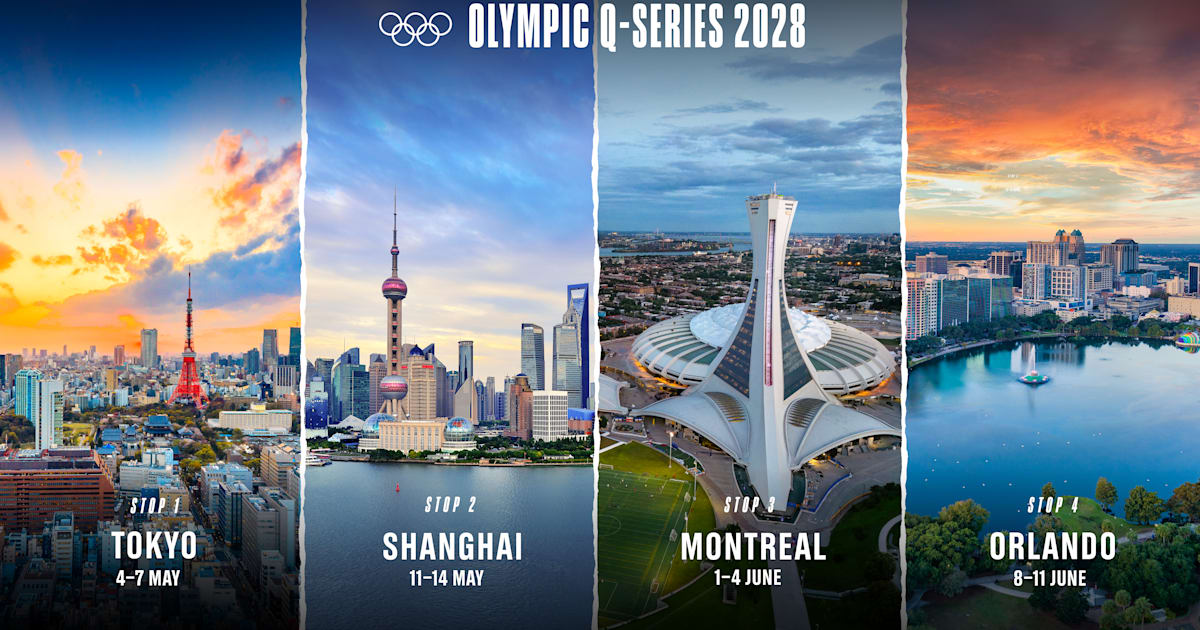
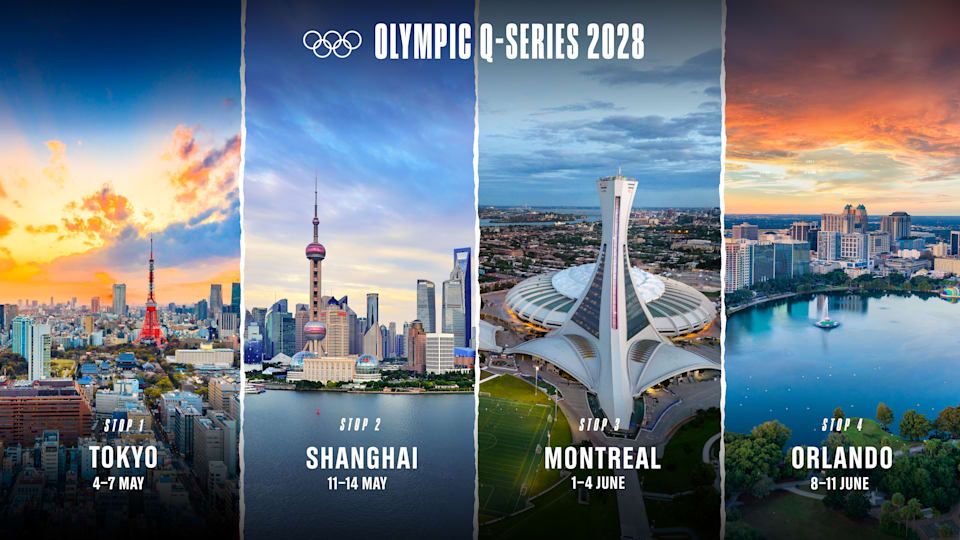
- Four cities will host the 2028 Olympic Q-Series: Montréal, Tokyo, Shanghai, and Orlando.
- The competition is expected to draw nearly 500 elite athletes and 1,500 accompanying personnel.
- Mylène Gagnon, VP of Sales and Convention Services at Tourisme Montréal, expressed optimism about the event's impact.
- The Olympic Q-Series is a collaboration between the IOC and six International Sports Federations.
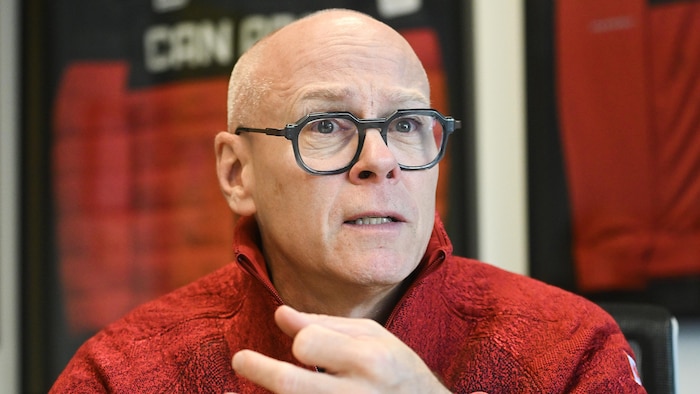
- Eric Myles, Chief Sport Officer for the Canadian Olympic Committee, highlighted Montréal's strong international reputation.
Montréal Secures Major Olympic Qualifier
Montréal has been selected by the International Olympic Committee (IOC) to host a leg of the new Olympic Q-Series in 2028, a significant international sporting event. This marks a return of major Olympic competition to Canada for the first time in 18 years. The Q-Series, launched in 2024, consolidates qualification events for multiple sports into a single location, serving as a crucial stepping stone just weeks before the Olympic Games. The choice positions Montréal as a key player in the global Olympic movement, aligning with the Canadian Olympic Committee's (COC) aspirations for a future Olympic Games bid. The city's selection underscores its established reputation for hosting international competitions and its robust existing infrastructure. This designation is seen as a major coup for Tourisme Montréal, which led the bid process. The organization anticipates substantial economic and reputational benefits, extending beyond direct event revenue.
A Global Showcase for Emerging Sports
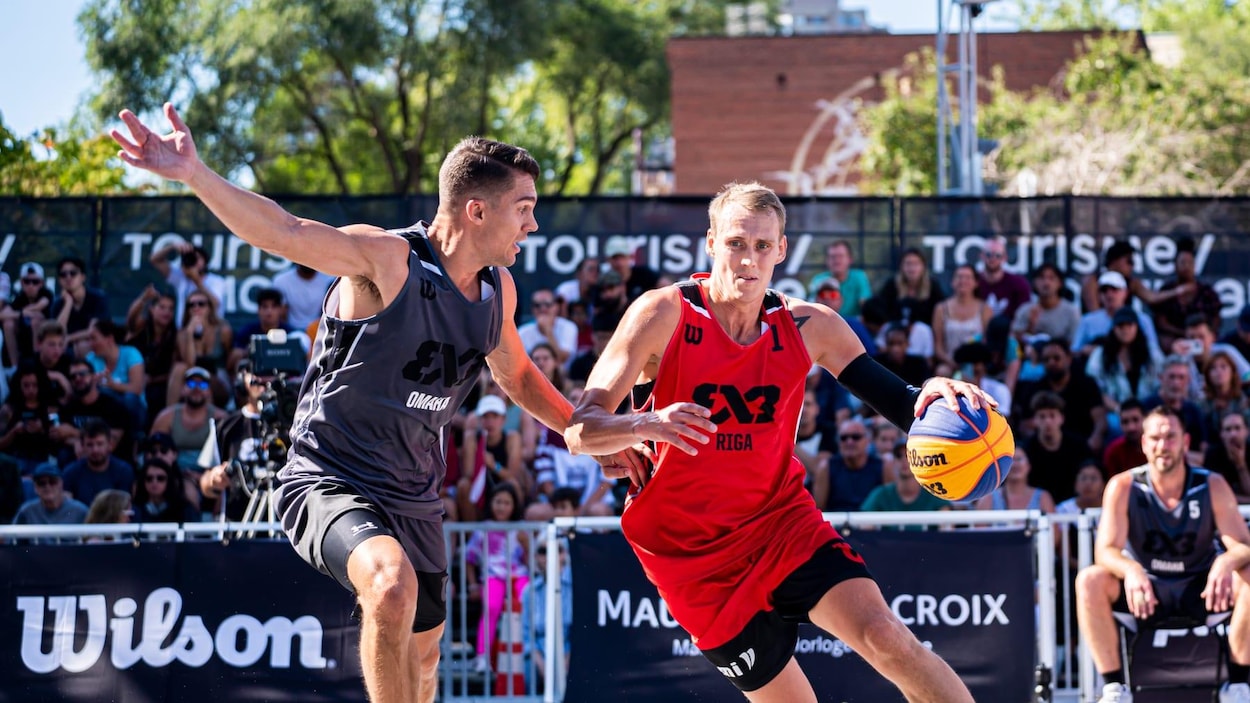
The 2028 Olympic Q-Series will unfold across four iconic cities: Tokyo, Japan; Shanghai, China; Montréal, Canada; and Orlando, USA. These events are scheduled to take place between May and June 2028, culminating the qualification pathway for the Los Angeles 2028 Olympic Games. Specific sports for each city's program are yet to be confirmed, but a lineup including 3x3 basketball, beach volleyball, BMX freestyle, climbing, flag football, and skateboarding is anticipated. The Q-Series format is designed to create a dynamic and engaging experience for both athletes and fans. IOC President Kirsty Coventry has emphasized the series' role in amplifying athlete visibility and fan engagement worldwide. The events aim to be high-energy spectacles, blending sport, music, and culture within emblematic urban settings. This initiative represents a collaborative effort between the IOC and six international sports federations. It provides athletes with a direct opportunity to secure their spots in the LA28 Games, adding a heightened level of competition and anticipation to the series.
Montréal's Olympic Legacy and Future Ambitions
Montréal's selection for the Olympic Q-Series is deeply intertwined with its rich Olympic history, dating back to the 1976 Summer Games. The city's Olympic Park, a landmark from that era, is slated to host a new generation of athletes. This event is viewed as a strategic move by the COC, which has previously explored bids for Calgary (2026) and Vancouver-Whistler (2030), underscoring a long-term vision for Canada to host the Games again. Mylène Gagnon of Tourisme Montréal highlighted the close collaboration with the COC, including a visit to the inaugural Olympic Q-Series in Budapest in 2024, which spurred their bid. She noted that Montréal's appeal lies in its proven track record of hosting major international events and its well-regarded facilities, which have received positive assessments from organizations like FIFA. The city's cultural offerings and gastronomy were also presented as key assets in their bid to the IOC, aiming to provide a holistic experience for participants and visitors.
Strategic Alignment with IOC's Agenda 2020
The resurgence of interest in hosting Olympic Games among various nations is directly linked to the IOC's Agenda 2020, a strategic framework championed by President Thomas Bach. This agenda prioritizes sustainability, the utilization of existing infrastructure, and the flexibility to consider multi-city or even multi-national bids. Eric Myles, Chief Sport Officer at the COC, stated that Agenda 2020 has made it "100% clear" that the renewed enthusiasm for hosting stems from its principles. He pointed to the successful staging of the Paris and Milan-Cortina Games as evidence of the agenda's positive impact, contrasting it with previous years when the IOC struggled to find host nations. This shift in IOC policy has opened doors for more innovative and practical hosting models. The COC, under President Tricia Smith, emphasizes responsible planning, advocating for bids that leverage existing venues, even if they require renovation, rather than constructing new, underutilized facilities.
A Stepping Stone for Future Bids
The Olympic Q-Series serves as a crucial stepping stone for Canada's broader ambitions to host the Olympic Games. Myles believes that hosting such multisport events keeps the nation "on the map internationally" and builds momentum for potential future candidacies. The COC has previously considered joint summer Games with Toronto and winter Games with Quebec City, scenarios that are now more feasible under the IOC's evolving approach. The IOC's increased openness to distributed hosting models, as outlined in Agenda 2020, makes concepts like a joint bid between major cities in Quebec and Ontario more plausible. While such proposals might have been dismissed as "far-fetched" in the past, they are now seen as the most likely pathway for Canada to secure the Games again. Montréal's experience in hosting the 1976 Olympics and subsequent world events, coupled with existing infrastructure from events like the 2015 Pan American Games in Toronto, provides a strong foundation. The potential for high-speed rail to connect major urban centers further enhances the feasibility of such collaborative bids.
Economic and Cultural Impact Anticipated
Tourisme Montréal projects significant economic benefits from hosting the Olympic Q-Series, anticipating up to 75,000 spectators in addition to the athletes and their entourages. These projections suggest substantial revenue from ticket sales, accommodation bookings, and ancillary spending. Beyond the immediate financial gains, the event is expected to bolster Montréal's international standing within the Olympic movement. This enhanced profile is invaluable as Canada contemplates future Olympic bids, reinforcing the city's capacity to host large-scale international events. The inclusion of cultural and gastronomic elements in the bid presentation indicates a strategy to offer a comprehensive and attractive package, aiming to impress the IOC and position Montréal as a desirable host city for years to come. The successful execution of the Q-Series could pave the way for more ambitious hosting opportunities.
The bottom line
- Montréal will host a key Olympic qualification event, the Olympic Q-Series, in May-June 2028.
- The series serves as a direct pathway for athletes to qualify for the LA28 Olympic Games.
- The event is expected to bring significant economic benefits and enhance Montréal's international sporting profile.
- Montréal's selection aligns with Canada's long-term goal of bidding to host future Olympic Games.
- The IOC's Agenda 2020 principles, favoring existing infrastructure and flexible hosting models, underpin these selections.
- The Olympic Q-Series will feature sports like 3x3 basketball, beach volleyball, and skateboarding.
Journal de Montréal Reporter Suffers Two Strokes

Arsenal and Atletico Madrid Battle to Tense Stalemate in Champions League Semi-Final Second Leg

Aston Villa Reach Europa League Final After Dramatic Comeback