Montreal's STM extends 'move along' order until 2027, citing 22% drop in service disruptions
The transit authority's ban on loitering, applied nearly 2,500 times per month, has reduced disruptive behaviour and improved safety, but advocates warn it penalises homeless individuals seeking shelter.
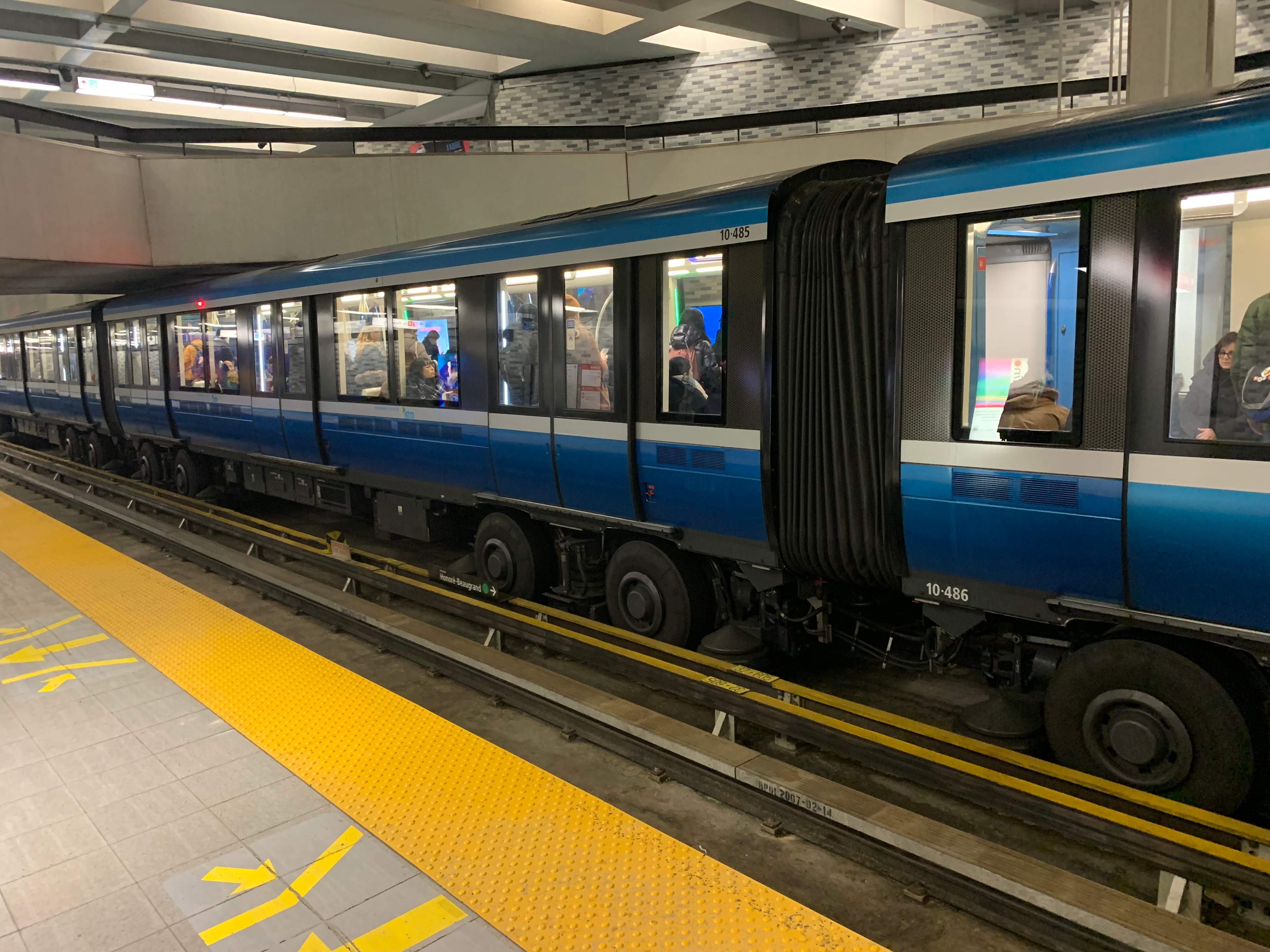
CANADA —
Key facts
- STM extends 'move along' order across metro network until April 30, 2027.
- Order introduced mid-March 2025; analysis of winter data shows improvement.
- Service interruptions lasting five minutes or more due to disruptive behaviour down 22%.
- Order applied nearly 2,500 times per month during winter period.
- People escorted out at closing time dropped 36% from Nov 2025 to Mar 2026 vs. same period prior.
- People escorted out during operations fell 2% in same period.
- Advocates for homeless raise concerns about impact on people seeking shelter.
Transit agency doubles down on loitering ban
The Société de transport de Montréal (STM) is extending its controversial “move along” order across the metro network until April 30, 2027, asserting that the measure has tangibly improved safety and operational conditions. The ban, which requires passengers to be actively travelling and prohibits loitering, was first introduced in mid-March 2025 as a tool to address behaviours that undermine the sense of security among riders and employees. The extension comes after the STM analysed winter operational data and found several indicators had improved or remained stable. a 22 per cent drop in service interruptions lasting five minutes or more that were caused by disruptive behaviour. During the winter period, special constables applied the order nearly 2,500 times per month, intervening when facilities were used for non-transit purposes.
Fewer ejections and improved station atmosphere
From November 2025 to March 2026, compared with the same period a year earlier, the number of people escorted out at closing time dropped by 36 per cent, according to the STM. Those escorted out during operations fell by two per cent. The transit authority says these figures demonstrate that the policy is working to reduce the kind of conduct that disrupts service and makes riders feel unsafe. The STM has also closed three metro station entrances due to what it described as “undesirable behaviour,” though it did not specify which stations or the exact nature of the incidents. The agency maintains that the move-along policy makes the network safer for commuters and has led to fewer disruptions overall.
Critics warn of impact on homeless population
Advocates for Montreal’s homeless population continue to raise concerns about the effect of the order on people simply seeking shelter from the cold. The metro has long served as an informal refuge for those without housing, particularly during harsh Canadian winters. Critics argue that the policy criminalises poverty and pushes vulnerable individuals out of public spaces without offering alternative solutions. The STM has acknowledged that the tool is meant to address behaviours that affect the sense of safety, but has not detailed any specific measures to support homeless individuals who may be affected by the ban. The extension until 2027 suggests the agency sees the policy as a long-term solution rather than a temporary measure.
Broader context: labour tensions and fare pressures
The extension of the loitering ban unfolds against a backdrop of labour unrest at the STM. A tribunal recently approved a weekend strike, and pressure is mounting as another transit strike looms. The agency faces simultaneous challenges: maintaining service reliability, addressing safety concerns, and managing labour relations. Meanwhile, Montreal residents are grappling with rising costs. Gas prices have surpassed $2 per litre once again at many stations, adding to the financial strain on commuters. The STM’s focus on safety and efficiency comes as it seeks to retain ridership amid these economic pressures.
What the data shows and what remains unclear
The STM’s winter data analysis provides the clearest evidence yet of the policy’s impact. The 22 per cent reduction in service interruptions due to disruptive behaviour is a significant operational gain. The 36 per cent drop in ejections at closing time suggests that fewer people are lingering in stations after hours, which the agency views as a positive trend. However, the data does not capture the experiences of those who are escorted out or who choose to avoid the metro altogether. The two per cent decrease in ejections during operations is modest, and it remains unclear whether the policy is simply displacing disruptive behaviour to other parts of the network or to the streets above. The STM has not released data on complaints or incidents involving homeless individuals specifically.
Outlook: a long-term shift in transit policy
With the order now extended until April 2027, the STM is signalling that the move-along policy is a permanent feature of Montreal’s metro system. The agency appears convinced that the benefits in terms of safety and service reliability outweigh the social costs. Yet the concerns raised by homeless advocates are unlikely to dissipate, and the policy may face legal or political challenges in the years ahead. The coming months will test whether the STM can balance its operational goals with the need to treat all individuals with dignity. The agency has not announced any complementary programs to address homelessness or mental health issues in the transit system. As the city’s transit authority navigates strikes and financial pressures, the human impact of its safety policies will remain under scrutiny.
The bottom line
- The STM extends its 'move along' order until April 30, 2027, citing improved safety and fewer service disruptions.
- Service interruptions due to disruptive behaviour fell 22% after the order was introduced in March 2025.
- The order was applied nearly 2,500 times per month during winter; ejections at closing time dropped 36%.
- Critics argue the policy penalises homeless individuals seeking shelter, with no alternative support measures announced.
- The extension comes amid labour strikes and rising costs, adding pressure on the transit agency.
- The policy marks a long-term shift in Montreal's transit approach, with potential legal and social implications.




Raptors' season on brink as Ingram injury compounds Barnes' struggles in Game 5 loss

Raptors Face Elimination Without Brandon Ingram After Heel Injury

Oilers gamble on McDavid-Draisaitl super-line as Ducks circle for kill in Game 6
