Brent crude surges past $126 as U.S.-Iran talks collapse and military strike plans emerge
The price spike, the highest since Russia's invasion of Ukraine, reverses on futures contract expiry, but the Strait of Hormuz remains closed and gasoline costs climb worldwide.

CANADA —
Key facts
- Brent crude briefly hit $126.31 a barrel on Thursday, the highest since March 2022.
- U.S. Central Command has prepared a plan for 'short and powerful' strikes on Iran, Axios reported.
- The Strait of Hormuz, through which 20% of global oil and LNG passes, remains effectively closed.
- Canada's average gasoline price reached $1.830 per litre on Thursday, up 47.9 cents year-over-year.
- U.S. average gas price is $4.375 per gallon, up more than $1 from a year ago.
- Every $1 increase in Brent's average annual price boosts Chevron's after-tax cash flow by $600 million.
- Occidental Petroleum gains $265 million in annualized cash flow per $1 rise in average oil price.
- The June Brent futures contract expired Thursday, contributing to the sharp price drop later in the day.
Oil spikes on war escalation fears
Brent crude oil surged past $126 a barrel early Thursday, touching its highest level since Russia's full-scale invasion of Ukraine in March 2022, before retreating sharply. U.S. Central Command has prepared a plan for a wave of "short and powerful" strikes on Iran, aimed at breaking the deadlock in negotiations. The price later fell back to around $114 a barrel for the most actively traded July contract, and settled near $110.40 — nearly unchanged from the previous day. The volatility reflects a market losing hope for a swift resolution to the conflict. Talks between the United States and Iran have stalled, with President Donald Trump reportedly rejecting Iran's proposal to reopen the Strait of Hormuz. ING Bank strategists Warren Patterson and the breakdown "has the market losing hope for any quick resumption in oil flows."
Strait of Hormuz closure tightens global supply
The Strait of Hormuz, a narrow waterway through which about 20% of the world's oil and liquefied natural gas normally passes, remains effectively closed as Iran throttles traffic and the U.S. blockades Iranian ports. The standoff has sent energy prices soaring since the war began in late February, when Brent crude traded around $70 a barrel. Thursday's brief spike to $126.31 was the highest intraday price since the Ukraine war, but the June futures contract expired that day, contributing to the subsequent drop. Naveen Das, senior oil analyst at Kpler, said the expiry of the June Brent contract helped drive the decline. The more active July contract traded lower at around $110 a barrel.
Gasoline prices hit drivers across North America and Europe
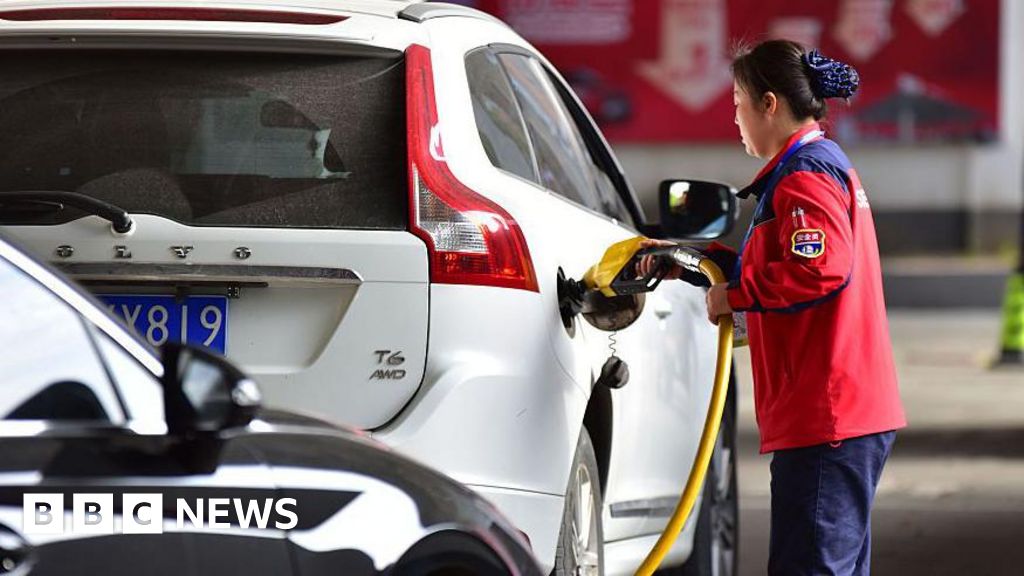
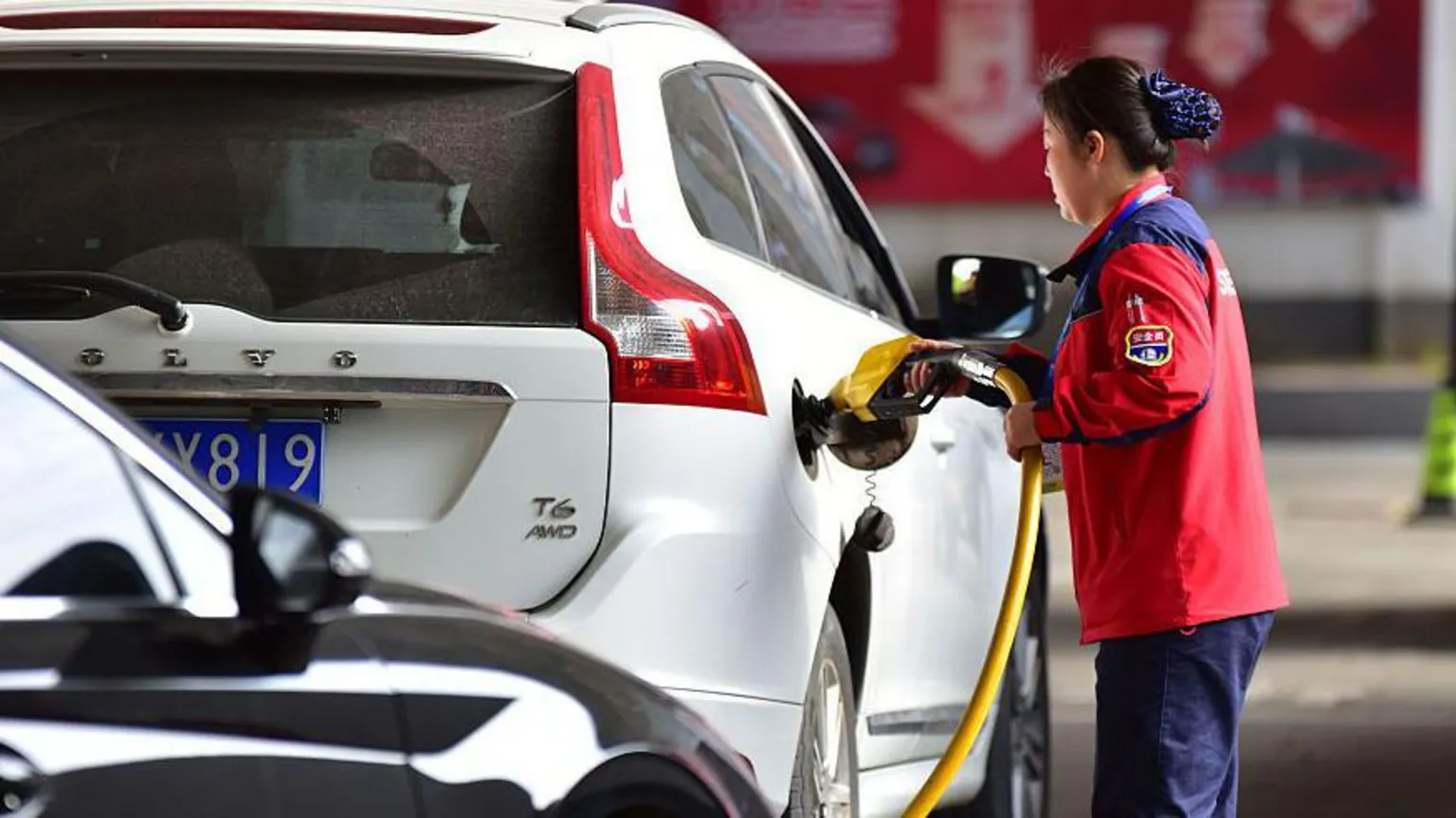
The surge in crude costs is flowing directly to the pump. In Canada, the average price for a litre of gasoline reached $1.830 on Thursday afternoon.— up 4.5 cents from the previous day and 47.9 cents higher than a year earlier. Prices were highest in British Columbia, averaging just over $2 a litre. In the Greater Toronto Area, prices are forecast to rise to $1.899 per litre; Halifax could see $1.897, and Edmonton $1.859. In the United States, the national average gas price is hovering around $4.375 per gallon, AAA reported, up more than $1 from a year ago. With the average American driver using 575 gallons annually, the increase translates to roughly $600 in extra fuel costs per driver this year. In the United Kingdom, petrol costs an average of 157p a litre, 24p higher than before the war, while diesel is at 188.5p a litre, up 46p. Simon Williams, head of policy at the RAC, said that while diesel has fallen 3p a litre from its peak, petrol is now more expensive for retailers to buy than at any time since the conflict began.
Oil companies poised for windfall profits
Higher crude prices are proving a boon for energy producers. Chevron, which completed several expansion projects last year and closed its acquisition of Hess, had already expected to deliver an additional $12.5 billion of free cash flow in 2026 assuming oil averaged $70 a barrel. The U.S. Energy Information Administration now expects oil to average about $96 a barrel this year. Every $1-per-barrel increase in the average Brent price boosts Chevron's after-tax cash flow by $600 million, and the company is likely to return much of that windfall to shareholders through share repurchases at the high end of its $10 billion to $20 billion annual target range. Occidental Petroleum also stands to gain. The company had initially forecast a $1.2 billion improvement in free cash flow in 2026, driven by efficiency gains and debt reduction. Now, each $1 increase in the average annual oil price adds about $265 million to its annualized cash flow. Occidental can use the extra cash to increase capital spending, repay debt, buy back shares, or accelerate the redemption of Berkshire Hathaway's preferred equity investment, which it does not plan to start redeeming until August 2029.
Broader economic ripples: airlines, food, and markets
The conflict's impact extends beyond the pump. The UK government has warned that households could face higher energy, food, and flight ticket prices. Some airlines have already begun raising fares or reducing flights. Fertiliser prices have started to climb, which could push up food costs. The RAC's Williams noted that while diesel wholesale prices have fallen, petrol remains at record highs for retailers. Despite the oil turmoil, North American stock markets rose on Thursday, buoyed by strong corporate earnings. The S&P 500 gained 1% to top its prior all-time high, the Dow rose 1.6%, and the Nasdaq composite climbed 0.9%. helped lift sentiment, offsetting some of the anxiety from the energy shock.
No clear path to de-escalation as military options loom
preparation of strike plans by U.S. Central Command suggest that a diplomatic resolution remains distant. The White House and Central Command have not commented on the Axios report. The market's reaction — a sharp spike followed by a rapid retreat tied to futures expiry — underscores the fragility of the current equilibrium. With the Strait of Hormuz closed and no ceasefire in sight, oil prices are likely to remain elevated and volatile. Traders are now watching for any sign of renewed negotiations or further military escalation. The peak price for the most actively traded Brent contract during the war remains $119.50, set last month. Thursday's brief breach of $126, though not sustained, signals that the market is bracing for even higher prices if the conflict intensifies.
The bottom line
- Brent crude briefly hit $126.31, the highest since 2022, before settling near $110 on futures expiry.
- U.S.-Iran talks have stalled, and the U.S. military has prepared plans for strikes on Iran.
- The Strait of Hormuz, a chokepoint for 20% of global oil and LNG, remains effectively closed.
- Gasoline prices in Canada, the U.S., and the UK have risen sharply, with further increases expected.
- Chevron and Occidental Petroleum are set to generate billions in additional cash flow from higher oil prices.
- The conflict is pushing up costs for airlines, fertiliser, and food, with no diplomatic resolution in sight.




Oilers unite McDavid and Draisaitl on top line to stave off elimination against Ducks

Trump Threatens to Pull US Troops from Italy and Spain, Widening Rift with Europe Over Iran War
Maine Governor Janet Mills Drops Senate Bid, Clearing Path for Progressive Oyster Farmer
