Brent crude spikes past $126 as stalled U.S.-Iran talks and new strike plans roil markets
A brief surge to the highest level since 2022 gave way to volatile trading after the U.S. military has prepared a plan for 'short and powerful' strikes on Iran.

CANADA —
Key facts
- Brent crude briefly hit $126.31 a barrel on Thursday, the highest since March 2022.
- The June Brent futures contract expired Thursday, contributing to a sharp drop to around $111.
- U.S.-Iran talks have stalled, with the Strait of Hormuz effectively closed and a U.S. blockade of Iranian ports ongoing.
- U.S. Central Command has prepared a plan for a wave of 'short and powerful' strikes on Iran.
- The average U.S. gas price hit $4.39 per gallon on Friday, up nine cents from Thursday.
- In Canada, the average gas price rose to $1.830 per litre, up 4.5 cents from the previous day.
- The war's true cost is estimated at $50 billion, roughly double the Pentagon's public estimate.
- Iran's internet shutdown, one of the longest and strictest, costs the economy an estimated $30-40 million daily.
Oil markets whipsaw on war jitters and contract expiry
The price of Brent crude oil briefly surged past $126 US a barrel early Thursday, the highest since Russia's full-scale invasion of Ukraine in March 2022, before falling back sharply as traders grappled with stalled the U.S. military has prepared new strike options. Brent crude for June delivery settled at about $111 per barrel by Thursday afternoon, while the more actively traded July contract traded around $110. The volatility was partly attributed to the expiry of the June futures contract, a technical factor that amplified the price swing, senior oil analyst at Kpler. Before the war began in late February, Brent crude was trading around $70 per barrel. The current peak for the most actively traded contract during the conflict remains $119.50, set last month.
Stalled talks and new military plans fuel uncertainty
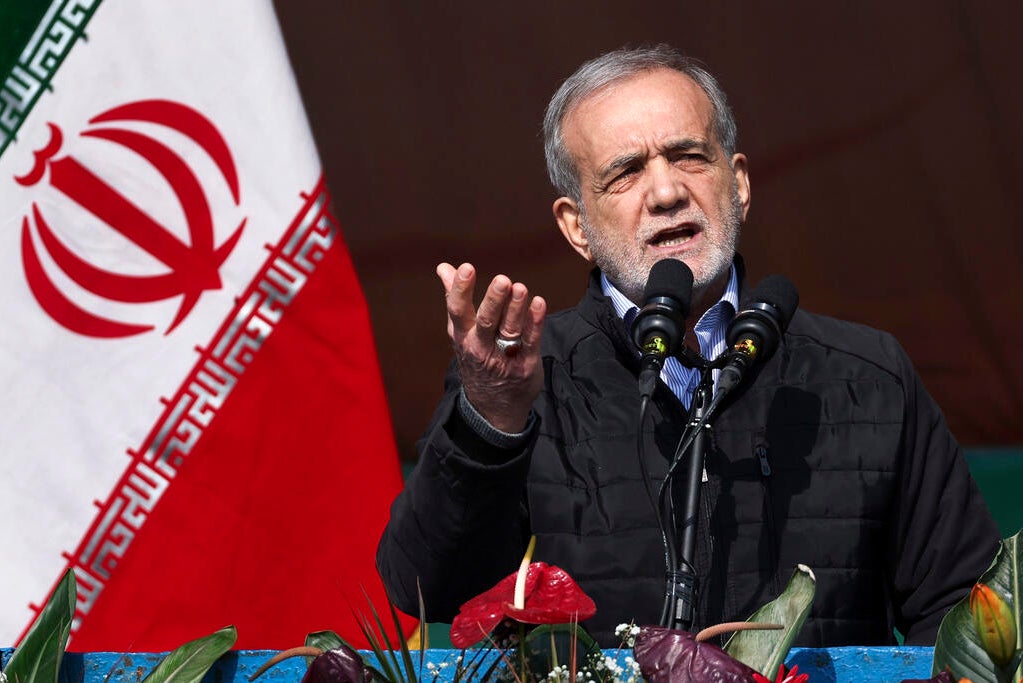
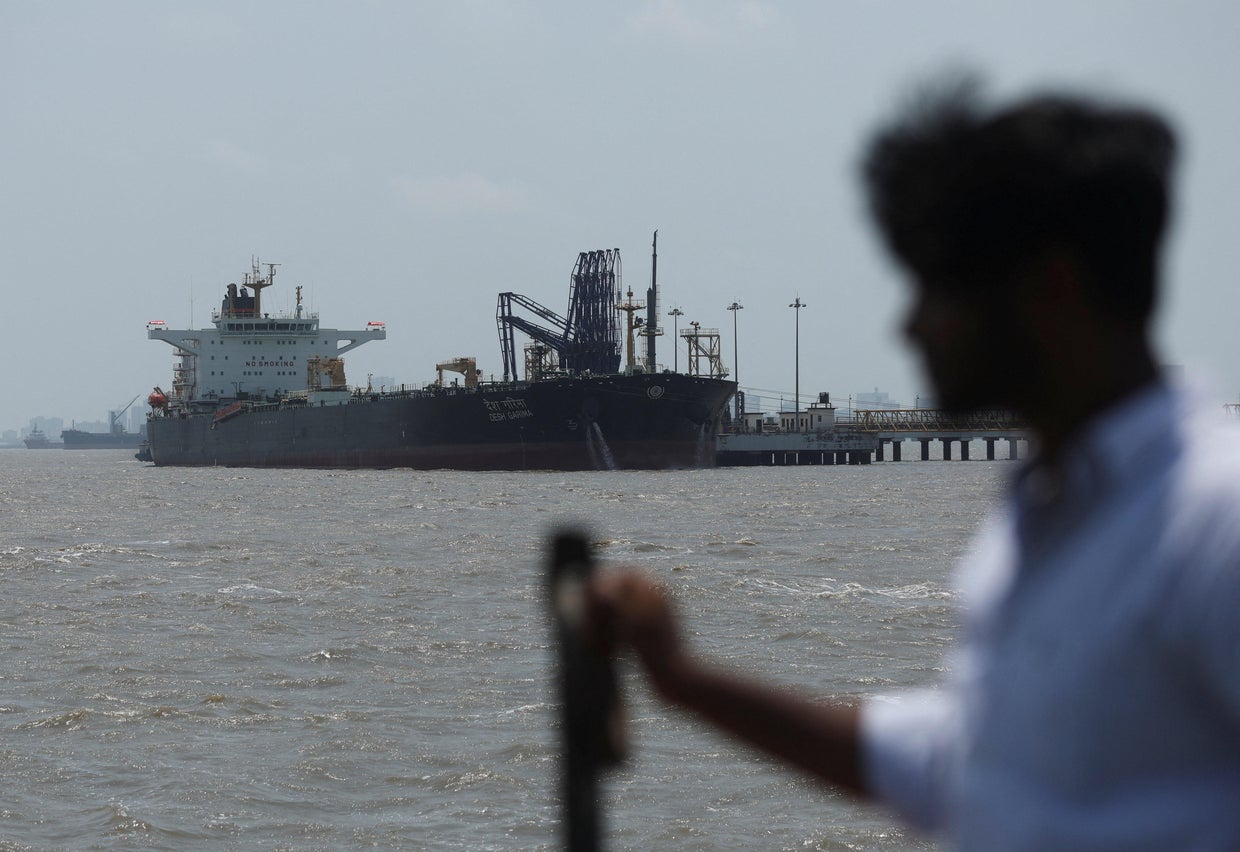
The breakdown of talks between the U.S. and Iran, along with President Donald Trump reportedly rejecting Iran's proposal for a reopening of the Strait of Hormuz, has left markets losing hope for a quick resumption of oil flows, ING Bank strategists Warren Patterson and Ewa Manthey wrote in a research note. U.S. Central Command has prepared a plan for a wave of 'short and powerful' strikes on Iran to try to break the deadlock. The BBC has contacted U.S. Central Command and the White House for comment. There is no clear path to an end to the war, which has seen Iran throttle the Strait of Hormuz while the U.S. blockades Iranian ports. About 20% of the world's oil and liquefied natural gas usually passes through the strait.
Pump prices climb globally as war costs mount
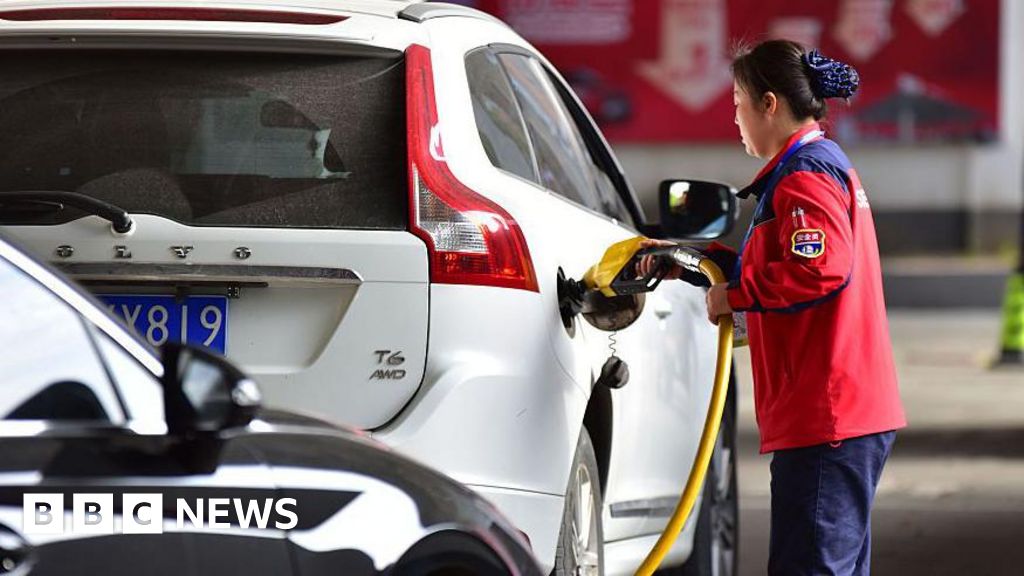
In the United States, the average price of gasoline hit $4.39 per gallon on Friday, up nine cents from Thursday and 34 cents from a week ago. In Canada, the average price for a litre of gas was $1.830 on Thursday afternoon, up 4.5 cents from the previous day and 47.9 cents higher than a year earlier. Prices were highest in British Columbia, averaging just over $2 per litre. In the United Kingdom, petrol currently costs an average of 157p per litre, 24p higher than before the war, while diesel is at 188.5p per litre, up 46p, according to the RAC. RAC head of policy Simon Williams said that while petrol pump prices have fallen, wholesale costs are now at their highest since the war began, suggesting further increases may be imminent. The U.K. government has warned that energy, food and flight ticket prices could rise as a result of the conflict. Some airlines have already started to raise fares or reduce flights, and fertiliser prices have increased, which could have a knock-on effect on food prices.
War costs far exceed Pentagon estimates
U.S. officials familiar with internal assessments told CBS News that the true price tag of the Iran war is closer to $50 billion, roughly double the public estimate the Pentagon cited in congressional testimony this week. Much of the gap is accounted for by munitions that have been used and need to be replaced. Defense Secretary Pete Hegseth faced lawmakers for a second day on Thursday, arguing that the 60-day deadline to get the war approved by Congress was on hold during the current ceasefire. Democratic senators Tim Kaine and Elizabeth Warren disagreed, saying the deadline remains Friday. The war has also devastated Iran's economy. The country's 90 million people have been cut off from the internet for most of 2026, one of the world's longest and strictest national shutdowns. The internet cutoff costs the economy an estimated $30-40 million daily, with indirect losses likely twice that, a member of Iran's Chamber of Commerce. About 10 million people have jobs that depend on internet connectivity, said communications minister Sattar Hashemi.
Stock markets shrug off oil volatility
Despite the oil price swings, North American stock markets glided higher on from major companies. The S&P 500 rose 1% and topped its prior all-time high. The Dow rose 1.6%, and the Nasdaq composite climbed 0.9%. The relative calm on Wall Street reflected investor confidence in corporate earnings, even as the geopolitical backdrop remained fraught. The United Arab Emirates' departure from OPEC amid the Middle East energy supply crunch added another layer of uncertainty to the oil market outlook.
Outlook: no quick resolution in sight
With talks between the U.S. and Iran stalled and the possibility of new U.S. military strikes on the table, the immediate outlook for oil prices remains highly uncertain. The Strait of Hormuz, through which about 20% of the world's oil and LNG normally passes, remains effectively closed. Traders are likely to remain on edge, with any escalation or diplomatic breakthrough capable of triggering sharp price moves. The expiration of the June futures contract provided a temporary reprieve, but underlying supply concerns persist. For consumers, the pain at the pump is expected to continue. In Canada, prices in the Greater Toronto Area are projected to rise to $1.899 per litre, while Halifax could see $1.897 and Edmonton $1.859. The war's economic toll, both direct and indirect, continues to mount on all sides.
The bottom line
- Brent crude hit a four-year high above $126 before falling back, with the June contract expiry amplifying volatility.
- U.S. military plan for new strikes on Iran are keeping oil markets on edge.
- Global gasoline prices are rising sharply, with U.S. average at $4.39/gallon, Canadian average at $1.830/litre, and UK petrol at 157p/litre.
- The true cost of the Iran war is estimated at $50 billion, double the Pentagon's public figure.
- Iran's internet shutdown is costing its economy $30-40 million daily and devastating online businesses.
- No clear path to a resolution exists, with the Strait of Hormuz effectively closed and both sides hardening positions.




Raptors' season on brink as Ingram injury compounds Barnes' struggles in Game 5 loss

Raptors Face Elimination Without Brandon Ingram After Heel Injury

Oilers gamble on McDavid-Draisaitl super-line as Ducks circle for kill in Game 6