Trump signs presidential permit for new Canada-US oil pipeline, reviving Keystone XL route
The 550,000-barrel-per-day project by Bridger Pipeline and South Bow would boost Canadian crude exports by over 12% but faces regulatory hurdles and an uncertain route.

CANADA —
Key facts
- Donald Trump signed a presidential permit on Thursday for a cross-border pipeline project.
- The pipeline would carry 550,000 barrels of oil per day from Saskatchewan to Guernsey, Wyoming.
- The project is proposed by Bridger Pipeline (US) and South Bow (Canada), the latter spun off from TC Energy in 2024.
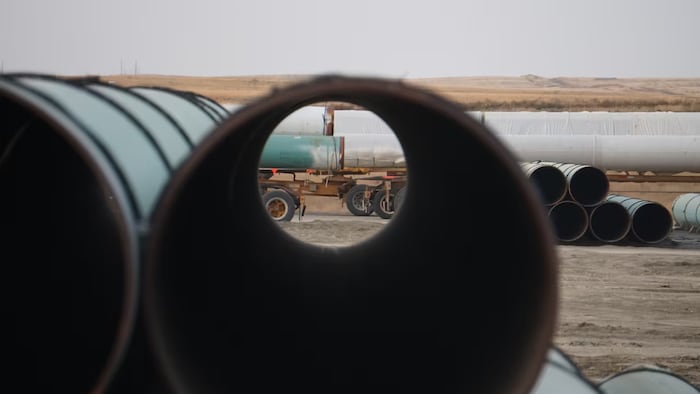
- It would reuse sections of the defunct Keystone XL pipeline already built in Canada.
- Canada's government has not stated its support; a spokesperson said Ottawa is focused on energy security and diversification.
- Analysts say Guernsey is not a final market; additional links to Cushing, Patoka, and the Gulf Coast would be needed.
- The previous Keystone XL project was canceled by Joe Biden in 2021 after 13 years of delays and opposition.
- State-level regulatory approvals in Montana and elsewhere are still required.
A new pipeline crosses the border
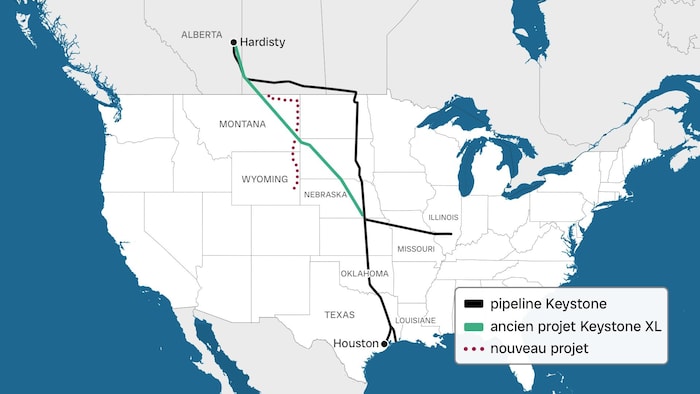
President Donald Trump signed a presidential permit on Thursday authorizing the construction of an oil pipeline between Canada and the United States, reviving a project that echoes the controversial Keystone XL. The permit, presented by senior adviser Will Scharf, was described as a crucial step for energy dominance and security. Trump said the previous administration would not have taken such action, adding that the pipeline would create 'a lot of jobs.' The proposed pipeline, led by Bridger Pipeline and its Canadian partner South Bow, would transport 550,000 barrels of crude oil per day from the Saskatchewan-Montana border to the storage hub at Guernsey, Wyoming. The permit is a presidential necessity for any cross-border pipeline, and its signing marks a significant political move by the Trump administration to bolster North American energy infrastructure.
The players: Bridger Pipeline and South Bow
Bridger Pipeline, an American company, is the lead developer on the US side, while South Bow, a Canadian firm created in 2024 from TC Energy's pipeline division, is the Canadian partner. South Bow plans to reuse pipes already in the ground from the Keystone XL project, which was abandoned in 2021 after years of political and financial turmoil. The new project does not start from scratch; it leverages existing approvals and infrastructure in Canada, where Keystone XL had already secured all necessary permits. The partnership aims to increase Canadian crude exports to the United States by more than 12% if the pipeline is completed. Bridger Pipeline recently filed a proposal with Montana regulators detailing a 645-mile (1,038 km) pipeline capable of carrying up to 550,000 barrels per day, starting near the border in Phillips County, Montana, and ending in Guernsey, Wyoming.
A different route, but familiar challenges
The new pipeline's route through the United States differs from the original Keystone XL, which was canceled by President Joe Biden in 2021 after years of opposition from Indigenous communities and environmental groups. However, the project still faces significant regulatory hurdles. State-level approvals in Montana and other jurisdictions are required, and the exact path connecting to South Bow's infrastructure remains unclear. Guernsey is not a final market for crude oil; additional pipeline links would be needed to reach major refining centers such as Cushing, Oklahoma; Patoka, Illinois; and the US Gulf Coast. Without those connections, the pipeline's capacity may not be fully utilized, raising questions about its economic viability.
Canada's cautious stance
The Canadian government has not officially endorsed the project. Charlotte Power, press secretary for the Minister of Energy, said in an email that Ottawa is aware of the permit and remains focused on strengthening Canada's position as an energy superpower, supporting North American and global energy security, and diversifying trade partnerships. The statement stops short of explicit support, reflecting the political sensitivity of cross-border energy projects. The pipeline was discussed during a meeting between Trump and Canadian Prime Minister Mark Carney, indicating its importance in bilateral relations. However, Canada's lack of a clear position suggests ongoing internal debate about the project's merits and environmental implications.
The shadow of Keystone XL
The new project is the latest resurrection of the Keystone XL concept, which was first proposed in 2008 and spent 13 years in regulatory and legal limbo before being canceled. Trump had approved a permit for Keystone XL during his first term, only for Biden to revoke it on his first day in office. The pipeline became a symbol of the clash between energy development and environmental activism. Now, Trump's second-term administration is pushing forward with a similar but not identical project. The reuse of Keystone XL's already-built Canadian sections reduces some costs and regulatory hurdles, but the project still faces opposition from environmental groups and Indigenous communities who have vowed to fight it. The outcome will test the administration's ability to fast-track energy infrastructure.
What comes next: regulatory and market uncertainties
The presidential permit is a critical first step, but the project must still obtain state-level approvals in Montana and possibly other states. Bridger Pipeline's proposal is under review by Montana regulators, and public hearings are expected. Environmental impact assessments and consultations with Indigenous groups will likely be required, potentially leading to legal challenges. On the market side, the pipeline's capacity of 550,000 barrels per day would significantly boost Canadian exports, but the lack of a direct connection to major refining hubs means additional infrastructure investments are needed. Developers will have to secure financing and customers for the crude, which may be complicated by the global energy transition and fluctuating oil prices. The project's timeline remains uncertain, but the permit signing has given it new momentum.
A test of energy policy and political will
The approval of this pipeline represents a clear policy shift under Trump, prioritizing energy dominance and bilateral trade over environmental concerns. For Canada, the project offers an opportunity to expand its energy exports and reduce reliance on other markets, but it also risks deepening ties to fossil fuels at a time when many countries are moving toward decarbonization. The project's fate will hinge on regulatory approvals, legal challenges, and market conditions. If completed, it would be a major infrastructure achievement for both countries, but the road ahead is fraught with obstacles. The coming months will reveal whether this pipeline can succeed where its predecessor failed.
The bottom line
- Trump signed a presidential permit for a new Canada-US oil pipeline, reviving the Keystone XL concept.
- The pipeline would carry 550,000 barrels per day from Saskatchewan to Wyoming, boosting Canadian exports by over 12%.
- The project is led by Bridger Pipeline (US) and South Bow (Canada), using some existing Keystone XL pipes in Canada.
- Canada has not officially endorsed the project; Ottawa emphasizes energy security and diversification.
- State-level approvals in Montana and additional pipeline links to refining hubs are still needed.
- The project faces potential opposition from environmental groups and Indigenous communities, as Keystone XL did.



Trump escalates feud with Germany's Merz, hints at troop pullout from Europe

Maine Governor Janet Mills Drops Senate Bid, Leaving Democrat David Platner as Party's Best Hope Against Susan Collins

Trump Signs Permit for Bridger Pipeline, Reviving Keystone XL Route for Canadian Oil
