Ontario Lottery Drops Winners' Last Names From News Releases in Privacy Shift
The Crown corporation now releases only first names and last initials to the media, responding to growing privacy concerns in an age when winner stories live online forever.
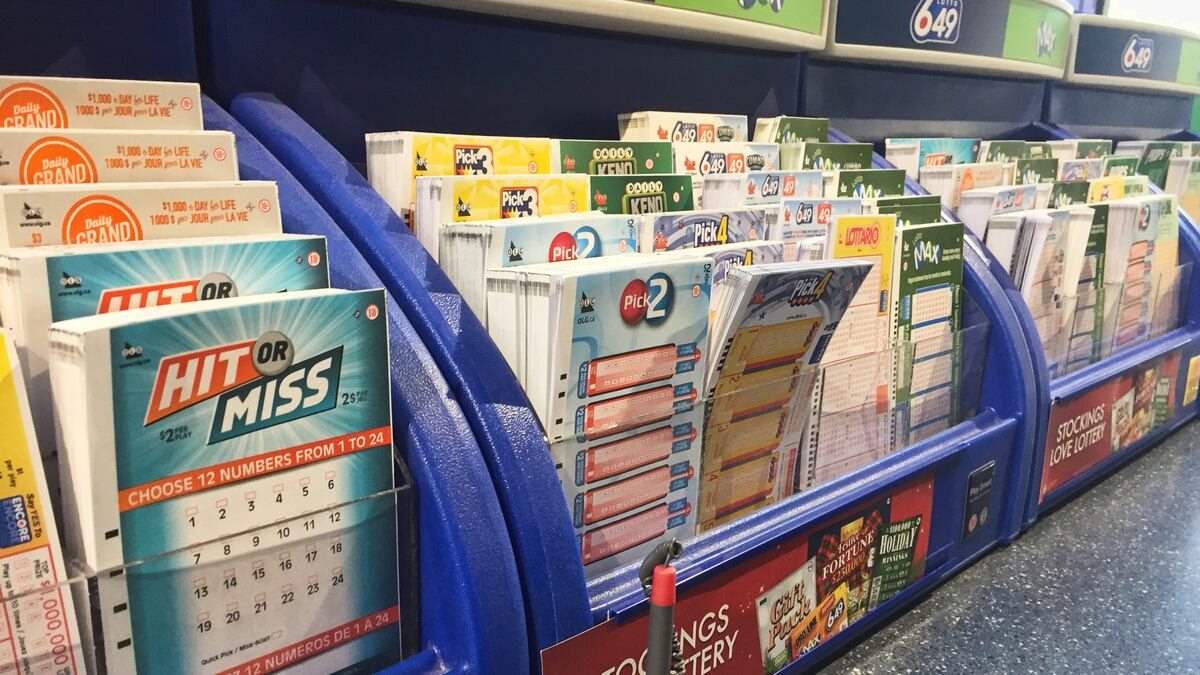
CANADA —
Key facts
- OLG policy change took effect in March 2026.
- Winners' last names removed from news releases; full names still on OLG website.
- Randy Rush won $50-million Lotto Max jackpot in Lamont, Alta., in 2015.
- Two London, Ont. friends who won Canada's largest-ever lottery payout had only first names and last initial published.
- OLG spokesperson Tony Bitonti cited more winners raising privacy concerns.
- Policy shift applies to Ontario Lottery and Gaming Corporation news releases.
A New Era for Lottery Winner Disclosure
The Ontario Lottery and Gaming Corporation has quietly altered how it identifies jackpot winners, dropping last names from official news releases in a bid to shield winners from the permanent digital footprint of their good fortune. The policy, which took effect in March, now provides only the winner's first name and last initial to the media. The change marks a significant departure from a longstanding practice that treated full-name disclosure as a cornerstone of transparency and fairness in the gaming industry. For decades, winners were required to have their full names and photographs publicized as a condition of claiming large prizes.
The Catalyst: Privacy Concerns in a Digital Age
OLG spokesperson Tony Bitonti said the policy shift was driven by an increase in privacy concerns raised by winners in recent years. '10 years ago, 12 years ago, we would put out their story and it would be printed in a newspaper, and then the newspaper would be tossed away,' Bitonti said. 'Now, there's very few printed editions, everything is online, so their winner stories are now being used online, which is great, but those stories live on forever.' The permanence of online records has fundamentally altered the calculus for winners, who now face the prospect of their personal details remaining searchable indefinitely.
A Winner's Perspective: Randy Rush's $50-Million Decision
Randy Rush, who collected a $50-million Lotto Max jackpot in Lamont, Alberta, in 2015, said he immediately 'got out of dodge' to avoid the inevitable headaches of being publicly identified. 'It's a hell of a lot of money, right? And you know, some people would take advantage of that. I've been very conscientious of that right from the beginning,' he said in an interview this week. Rush acknowledged that having his photo and name publicized was part of the deal, calling it 'a small price to pay for the bigger picture.' But he added, 'If there was an option there to... not have my name published, yeah, I think I would have had that option.'
The First Test: Canada's Largest-Ever Lottery Payout
Last month, articles about two longtime friends in London, Ontario, who won Canada's largest-ever lottery payout featured photos of the smiling winners with their oversized cheque, but omitted their last names. The omission reflected the new OLG policy, which had already been in effect for several weeks. The friends' case illustrated the practical impact of the change: the winners were still publicly celebrated, but their full identities were no longer part of the official announcement. The OLG continues to disclose full names on its website, but the news releases—which are widely circulated and indexed by search engines—now carry less identifying detail.
Balancing Transparency and Privacy
Publicizing winners' names has long been seen as a way to ensure transparency and fairness on behalf of gaming giants, allowing the public to verify that prizes are actually awarded to real people. The practice has been treated as part of the public record, a safeguard against fraud or insider dealing. But the shift in Ontario reflects a broader reconsideration among lottery commissions about how much information to share. The question is no longer only whether the public can see that a prize was awarded, but how much identifying information should follow the winner into a permanent digital record.
What Comes Next: Other Provinces Follow Suit
Ontario is not alone in its reassessment. British Columbia has also dropped winners' last names from its news releases, signaling a growing consensus among Canadian lottery commissions that privacy concerns outweigh the traditional transparency rationale. The change could limit how much personal information about winners remains searchable after a jackpot announcement. If a commission omits a last name, the winner still exists in the announcement, but the record carries less identifying detail for anyone searching later.
The Enduring Tension Between Public Record and Personal Safety
For winners, the practical change is not about the prize itself but about how much of their identity is attached to the announcement and how widely that information can be carried online after the headline fades. The disclosure itself is what is changing, and that is the point at which privacy now enters the process. As digital permanence reshapes expectations, the lottery industry faces an enduring tension: the need to demonstrate fairness through public disclosure versus the right of winners to protect their personal safety and privacy in an age when a single news release can haunt them forever.
The bottom line
- OLG now releases only first names and last initials in news releases, effective March 2026.
- Full names remain publicly available on OLG's website, but news releases carry less identifying detail.
- The policy responds to winners' privacy concerns about stories living online indefinitely.
- British Columbia has adopted a similar approach, indicating a broader trend among Canadian lottery commissions.
- Randy Rush's 2015 $50-million win illustrates the trade-offs winners face between payout and publicity.
- The change does not affect the prize itself but alters how winners' identities are attached to the announcement.






Cami Clune Reimagines Sabres Anthem as Buffalo's Playoff Run Ignites

Princess Charlotte Turns 11 as Wales Family Releases New Photos and Video from Cornwall Holiday

Ringo Starr, at 85, Releases Third Country Album and Reflects on Beatles Room-Sharing Rule