Canada Cuts Refugee Health Coverage, Forcing Out-of-Pocket Payments for Drugs and Wheelchairs
Changes to the Interim Federal Health Program shift costs to refugees for prescriptions, mental health care, dental services, vision care, and medical equipment.
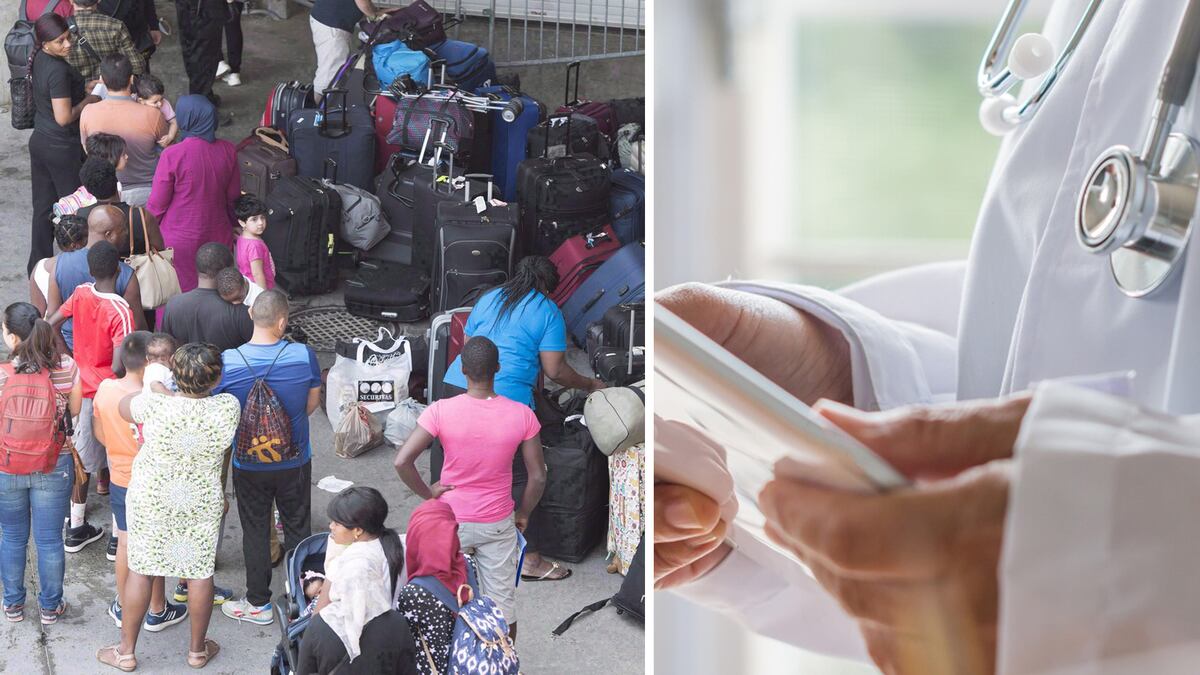
CANADA —
Key facts
- Refugees now pay out of pocket for part of drug prescriptions, mental health counselling, dental services, vision care, and health equipment including wheelchairs.
- The changes take effect under Canada's Interim Federal Health Program, which previously provided complete coverage.
- The program had covered refugees and refugee claimants until they became eligible for provincial health plans.
- The policy shift comes amid broader affordability concerns highlighted by a recent Angus Reid poll.
- Prime Minister Mark Carney's government faces criticism for failing to meet affordability expectations.
- The changes affect refugees across Canada, including those in Toronto and other major cities.
New Out-of-Pocket Costs for Essential Care
Refugees in Canada must now pay out of pocket for portions of their drug prescriptions, mental health counselling, dental services, vision care, and health equipment — including wheelchairs — as modifications to the federal Interim Federal Health Program come into effect. The program, which for decades provided complete health coverage to refugees and refugee claimants until they qualified for provincial health plans, has been scaled back, shifting financial burdens onto some of the country's most vulnerable newcomers. The changes represent a significant departure from Canada's longstanding commitment to refugee health. Advocates warn that the new costs could deter refugees from seeking necessary medical treatment, potentially worsening health outcomes and increasing long-term strain on the healthcare system.
The Interim Federal Health Program's Pivot
The Interim Federal Health Program was established to bridge the gap for refugees and refugee claimants who are not yet eligible for provincial or territorial health insurance. It covered a wide range of services, including hospital care, physician visits, and prescription drugs. Under the revised policy, refugees must now cover a share of costs for specific services that were previously fully funded. The federal government has not publicly detailed the rationale for the changes, but the move aligns with broader fiscal pressures. The policy shift occurs as Prime Minister Mark Carney's administration faces scrutiny over affordability, with a recent Angus Reid Institute poll indicating that Canadians believe the government has failed to meet expectations on cost-of-living issues.
Affordability Crisis and Political Backdrop
The poll, released in the same week as the health coverage changes, suggests that Canadians are giving the Carney government a passing grade on international relations but are dissatisfied with its handling of affordability. The timing underscores the political sensitivity of imposing new costs on refugees during a period of high inflation and economic strain. Prime Minister Carney has also been in the news for his insistence that members of Iran's Islamic Revolutionary Guard Corps are being effectively kept out of Canada, following an incident where a former IRGC official was granted a visa. Meanwhile, a major corporate merger — Shell plc's $22-billion acquisition of Calgary-based ARC Resources — positions Canada as a key player in the liquefied natural gas market, highlighting competing economic priorities.
Impact on Refugees and Healthcare Access
The new out-of-pocket requirements apply to drug prescriptions, mental health counselling, dental services, vision care, and medical equipment such as wheelchairs. For refugees who often arrive with limited financial resources, these costs could be prohibitive. Mental health counselling, in particular, is critical for many who have experienced trauma, and dental and vision care are essential for overall well-being. Refugee advocacy groups have expressed concern that the changes will lead to delayed care and increased emergency room visits, ultimately costing the system more. The policy also raises questions about equity, as refugees will now face a two-tier system where those who can pay receive timely care while others may go without.
Broader Context of Refugee Health Policy
Canada's refugee health coverage has been a subject of debate for years. The Interim Federal Health Program was created in 1957 and has undergone various revisions. In 2012, the previous Conservative government made deep cuts to the program, which were later partially restored by the Liberal government in 2016. The current changes represent another shift in the program's scope. The policy comes at a time when Canada is also dealing with other pressing health and safety issues, including a spike in abandoned oil and gas wells in Alberta and a police warning about a prowler in Saint John. The country's attention is divided, but for refugees, the immediate concern is accessing care without financial hardship.
What Comes Next for Affected Refugees
Refugees and refugee claimants must now navigate a more complex healthcare landscape, determining which services require out-of-pocket payments and how to budget for them. Community health centers and non-profit organizations may step in to provide subsidized care, but capacity is limited. The federal government has not announced any additional support measures to offset the new costs. As the changes take effect, the true impact on refugee health outcomes will become clearer in the coming months. Advocates are calling for a reversal of the policy, arguing that it undermines Canada's humanitarian commitments.
A Test of Canada's Humanitarian Promise
Canada has long prided itself on its refugee resettlement program, offering safety and support to those fleeing persecution. The reduction in health coverage tests that promise, forcing a reckoning between fiscal constraints and moral obligations. For refugees, the cost of a wheelchair or a course of antidepressants is no longer just a medical expense — it is a barrier to integration and well-being. The policy shift may also affect Canada's international reputation as a leader in refugee protection. As other nations tighten their asylum systems, Canada's decision to cut health benefits could signal a changing attitude toward refugee welfare. The coming months will reveal whether the government adjusts course or holds firm.
The bottom line
- Refugees in Canada now face out-of-pocket costs for prescriptions, mental health counselling, dental care, vision care, and medical equipment under revised federal policy.
- The Interim Federal Health Program previously provided full coverage until refugees qualified for provincial plans.
- The changes occur amid broader affordability concerns, with a recent poll showing public dissatisfaction with the Carney government's performance on cost-of-living issues.
- Advocates warn that the new costs could deter refugees from seeking necessary care, potentially worsening health outcomes.
- The policy reversal follows a history of cuts and restorations to refugee health coverage in Canada.
- The long-term impact on refugee health and Canada's humanitarian reputation remains to be seen.




Oilers Face Game 6 Elimination in Anaheim as Dickinson Remains Game-Time Decision

Missing Scottish influencer Rachel Kerr found safe in Morocco after week-long search
Kelly Ripa and Mark Consuelos Mark 30 Years of Marriage, Calling It 'Destined'
