Scott Bessent, Treasury Secretary and Former Hedge Fund Manager, Champions Financial Literacy in Trump Administration
Bessent, who grew up poor in South Carolina, says teaching Americans to budget and save is key to the American Dream, even as the nation's debt surpasses $39 trillion.
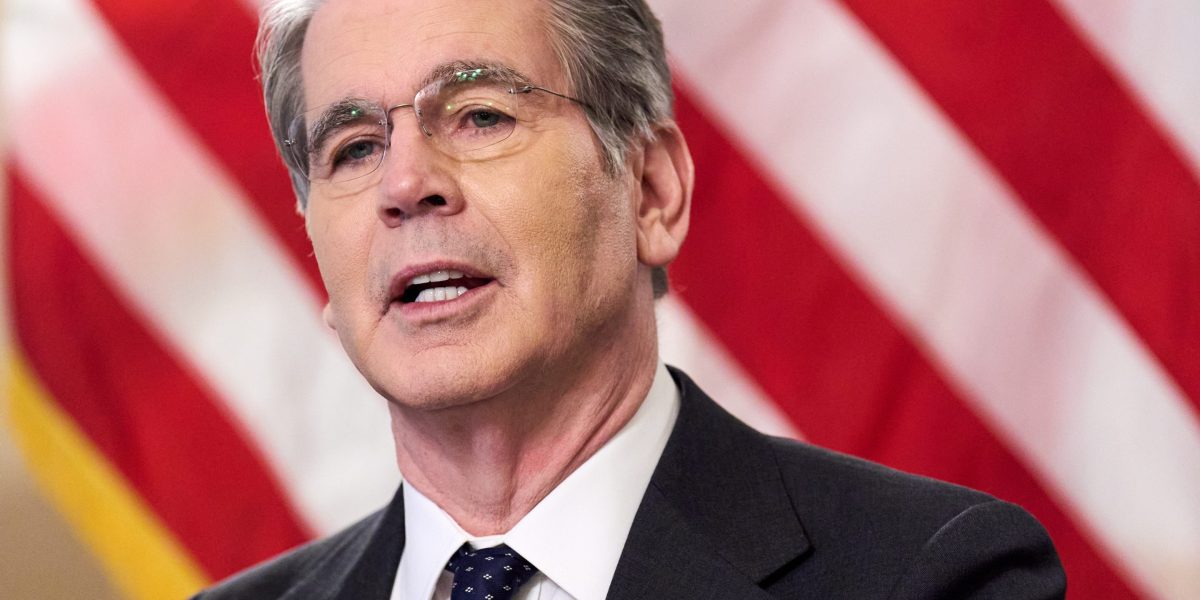
CANADA —
Key facts
- Bessent, 63, is the first openly gay Treasury secretary, confirmed in 2025.
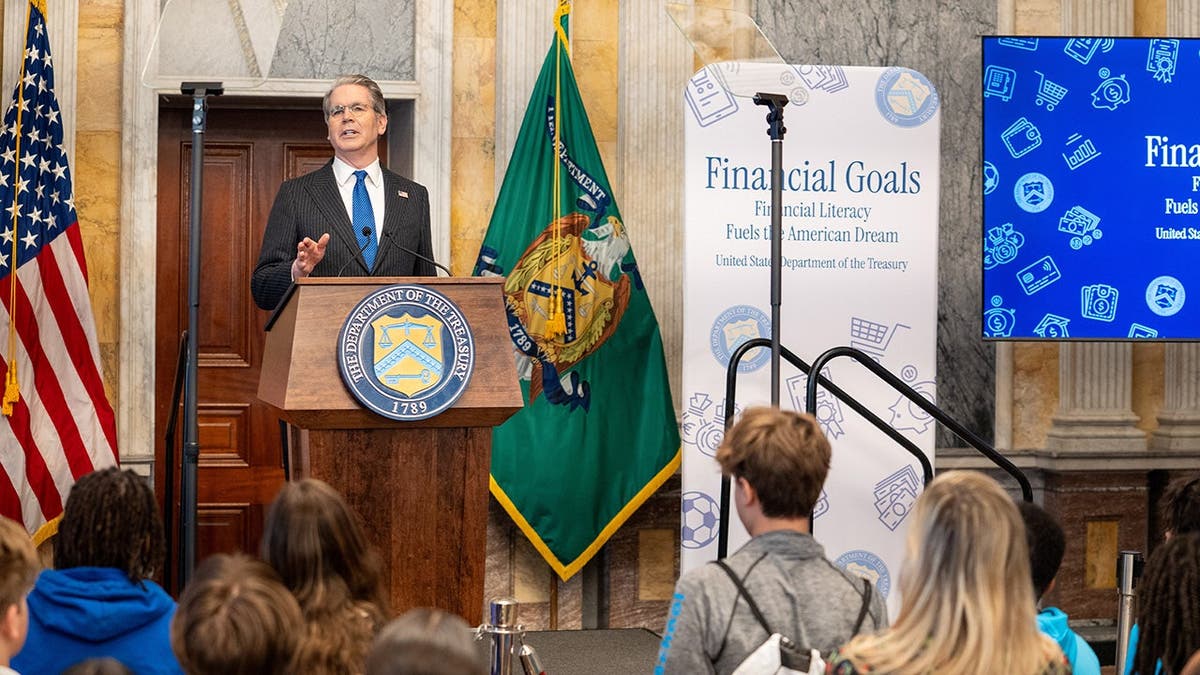
- He relaunched Financial Literacy Month at the Treasury, hosting a fair for over 50 D.C. students on April 30, 2026.
- Bessent worked with George Soros and was involved in the 1992 Black Wednesday currency speculation.
- He founded the hedge fund Key Square Group.
- Bessent's father lost the family wealth through overleveraging; Bessent worked as a busboy at age 9.
- He was barred from the U.S. Naval Academy in 1979 because he was openly gay.
- A 2025 TIAA Institute study found 49% of U.S. adults are financially literate.
- Trump's approval rating on the economy dropped from 38% in March to 30% in April, per an AP-NORC poll.
A Personal Mission Rooted in Childhood Poverty
Treasury Secretary Scott Bessent winces at the allure of easy money — whether it’s lottery tickets, buy now, pay later loans or the promise of a crypto windfall — warning that the get-rich-quick mindset often leads Americans farther from financial stability, not closer to it. “There are a lot of young people, mostly young men, going to blue-collar construction jobs, playing the lottery. It drives me crazy,” Bessent said in an interview. “The best thing you can do is not play the lottery,” he said — rather, people should invest and “then watch it grow.” Bessent spoke to the Associated Press about the basics of building a workable budget and saving for the future at the tail end of Financial Literacy Month, an initiative the billionaire hedge fund manager has made a priority since joining President Donald Trump’s administration, driven by a childhood marred by poverty. He often talks about his humble beginnings in rural South Carolina, not far from Myrtle Beach, where at the age of 9 he got his first jobs as a busboy at a cafeteria and hustling to set up chairs and umbrellas on the beach. His father, a real estate developer, had lost generations of Bessent family wealth by overleveraging his obligations.
Closing Financial Literacy Month with a Fair for Students
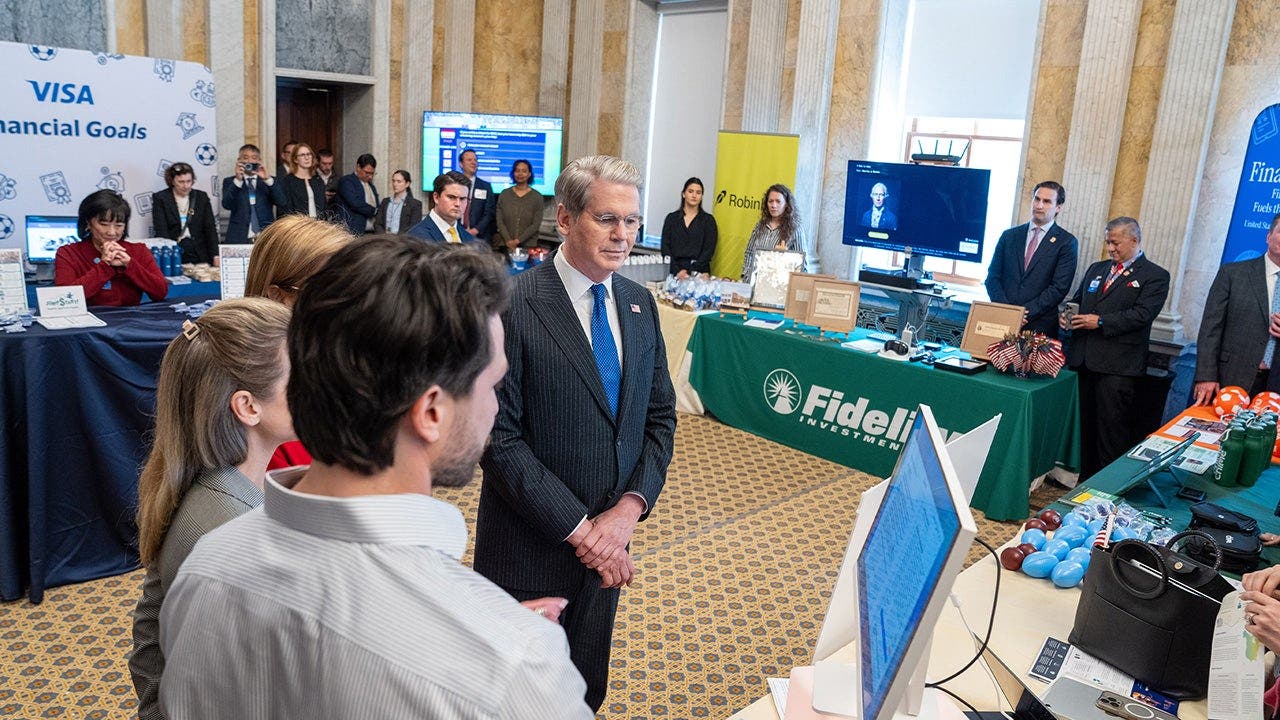
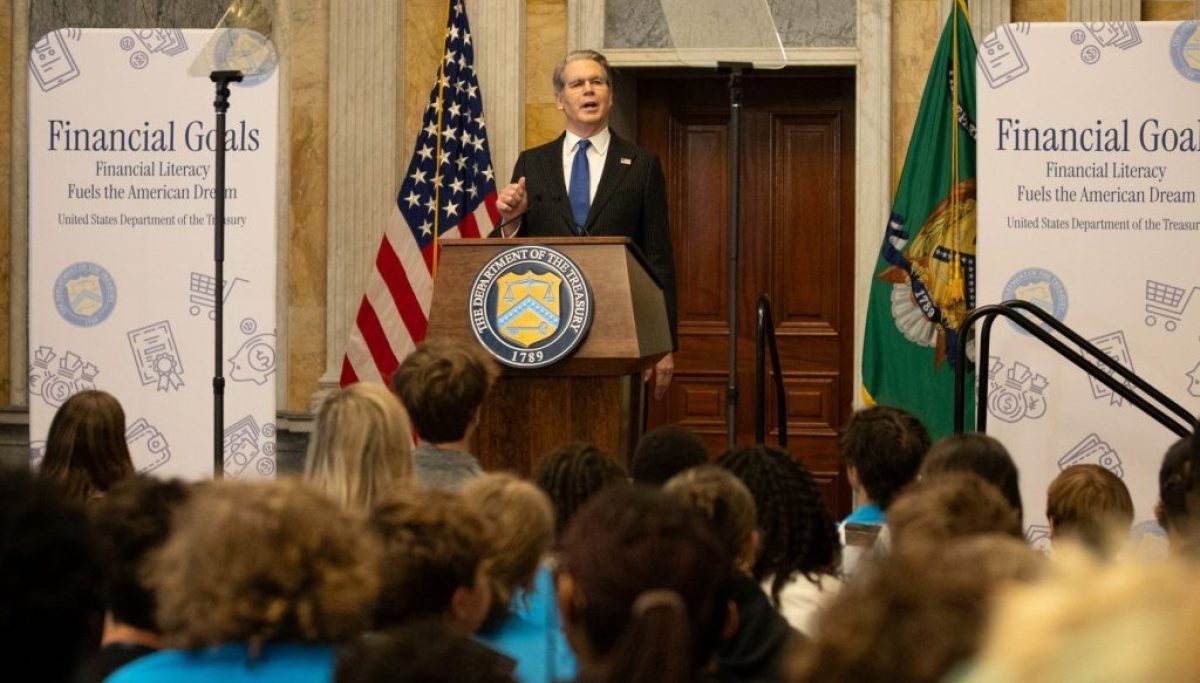
Bessent closed out Financial Literacy Month at the U.S. Department of the Treasury by hosting a literacy fair, welcoming over 50 students from the greater D.C. area on Thursday, April 30, 2026. Bessent framed the event as a reminder of the bedrock of U.S. success. “We live in the greatest country in the history of the world and on the eve of our 250th anniversary, understanding what has driven our success is the key to our future and what will lead the nation successfully for the next 250 years,” Bessent said in a statement about the event. Thursday’s programming included items like a game of “financial soccer,” a kind of fast-paced quiz on financial literacy, interactive booths, free resources and a tour of the Treasury Vault. The Treasury partnered with 18 organizations to conduct the event, including financial groups like Visa, Robinhood and Lincoln Financial. The financial literacy fair is part of a larger initiative from the Treasury that began at the outset of April — one that Bessent said is closely tied to his understanding of how Americans can participate in the American dream.
A Legacy Defined by Financial Education, Not Crisis Management
Former Treasury Secretaries Hank Paulson and Tim Geithner were known for helping navigate the U.S. out of the global financial crisis. Steven Mnuchin made his mark designing and promoting the Tax Cuts and Jobs Act of 2017, and Janet Yellen was the only person to also head the Federal Reserve and the Council of Economic Advisers. But Bessent’s passion for meeting with community bankers, retirees and schoolchildren to talk about how to budget, save and manage debt is what he hopes, in part, defines his legacy. Bessent, 63, made his money through a long career in hedge funds, including working with George Soros, a financier and philanthropist whom Trump and other Republicans have vilified. Bessent was famously involved in the Soros firm’s 1992 currency speculation against the British pound tied to Black Wednesday, which generated massive profits. Bessent later launched his own hedge fund called the Key Square Group.
Overcoming Barriers: From Rejection at Naval Academy to First Openly Gay Treasury Secretary
Bessent wanted to attend the U.S. Naval Academy in 1979 but was barred as an openly gay applicant. That also shut the door to joining the foreign service. He went to Yale University, where his former professor David Darst recalled teaching him about new financial instruments in capital markets. Darst described Bessent as a “guy who’s working at the highest levels, but he’s interested in people learning the ABCs of finance.” In 2025, Bessent became the nation’s first openly gay treasury secretary. “I sit here knowing that President Trump chose me because he believes I’m the best candidate, not because of my sexual preference, not because treasury secretaries with green eyes do better,” Bessent said at his confirmation hearing. After reaching public office, one of Bessent’s first actions was relaunching Financial Literacy Month at the agency.
Events and Initiatives: Roundtables, Forums, and the 'Trump Accounts'
Throughout April, Bessent prioritized organizing events and championing initiatives that would contribute to increasing Americans’ financial literacy nationwide. He held a roundtable on April 24 with more than a dozen community bankers from various parts of the country, where they held listening sessions on promoting financial literacy. These listening sessions focused on best practices for financial literacy, its challenges, and areas that Bessent could help support. During the roundtable, the conversation included discussion on volunteer efforts in schools as part of the American Bankers Association’s Teach Children to Save initiative, a group of banks providing financial education to the youth. Later in the month, Bessent hosted members of the Association of Mature Citizens, a conservative advocacy organization for people aged 50 and older, for a discussion on the importance of financial education. The discussions were built on efforts by the Trump administration to allow seniors to retain more of their money through the Working Families Tax Cuts and increased education to avoid “abusive tax schemes” targeting older taxpayers. The “Trump Accounts,” a new tax-advantaged savings account for American children under the age of 18, was one initiative highlighted throughout the month to bolster financial literacy, a U.S. Treasury spokesperson said.
Skepticism Amid Record National Debt and Falling Approval Ratings
Bessent’s push to promote financial literacy comes as Americans grapple with the cost of housing, groceries, energy and everyday items and are skeptical about the Republican administration’s performance on the issue. The latest AP-NORC poll data shows Trump’s approval rating on the economy dropped from 38% in March to 30% in April. The nation is enmeshed in record levels of debt, which surpassed $39 trillion in March, and critics wonder how Bessent can persuade Americans to save for their futures when the government itself is drowning in debt. “The Trump administration in particular has a problematic record on cutting taxes without offsets and growing spending,” said Maya MacGuineas, president of the Committee for a Responsible Federal Budget. Roughly half of U.S. adults are financially literate, with 49% answering survey questions evaluating this correctly, according to a 2025 TIAA Institute study. Bessent’s efforts to expand financial education are set against this backdrop of widespread financial illiteracy and economic anxiety.
The American Dream Through Financial Literacy
In his own words, Bessent ties his mission directly to the nation’s founding ideals. “We live in the greatest country on Earth, and financial literacy is what fuels the American dream,” Bessent said. “As the United States celebrates its 250th anniversary this year, I believe that embedding financial literacy into the fabric of our great nation is more important than ever.” The Treasury secretary’s focus on financial education marks a distinct departure from the crisis management of his predecessors, aiming instead to equip ordinary Americans with the tools to build wealth over time. Whether this initiative can overcome the headwinds of record debt and public skepticism remains an open question, but Bessent’s personal history gives his message an authenticity that resonates beyond partisan lines.
The bottom line
- Scott Bessent, the first openly gay Treasury secretary, has made financial literacy a cornerstone of his tenure, driven by his own childhood poverty.
- He closed Financial Literacy Month with a fair for over 50 D.C. students, featuring games, booths, and vault tours, partnered with 18 organizations including Visa and Robinhood.
- Bessent's background includes working with George Soros on the 1992 Black Wednesday trade and founding Key Square Group.
- Despite his wealth, Bessent emphasizes saving and investing over gambling, criticizing the lottery and get-rich-quick schemes.
- The initiative occurs amid record national debt ($39 trillion) and falling public confidence in the administration's economic management.
- Only 49% of U.S. adults are financially literate, according to a 2025 TIAA Institute study, underscoring the scale of the challenge.



Raptors' Brandon Ingram ruled out for Game 6 as Toronto faces elimination against Cavaliers
Raptors Face Elimination Without Ingram After Heel Injury

Lakers' Offensive Stumble Gives Rockets Hope of Historic Comeback