Senate Republicans Draft AUMF Against Iran as 60-Day War Powers Deadline Nears
A bipartisan push led by Senator Lisa Murkowski seeks to reassert congressional war authority, while a separate GOP faction eyes a $1 billion security package for Trump.

CANADA —
Key facts
- A small group of Senate Republicans is drafting an authorization for the use of military force (AUMF) against Iran.
- Senator Lisa Murkowski (R-AK) spoke on the Senate floor as the 60-day limit under the War Powers Act approaches.
- The proposed AUMF is expected to restrict ground troop deployment and limit the duration of military engagement.
- Advisers are assessing whether the measure could pass with a simple majority rather than 60 votes.
- Senate Republicans are also seeking $1 billion for Secret Service upgrades, including security for Trump's ballroom.
- The funding is part of a package that includes ICE and border patrol provisions.
- Tensions between Senate GOP and House Speaker Mike Johnson are evident, with some Republicans expressing concern over his leadership.
- The Thune-Johnson trust deficit highlights fractures within the party.
Lede: War Powers Clock Ticks as Senate GOP Prepares Iran AUMF
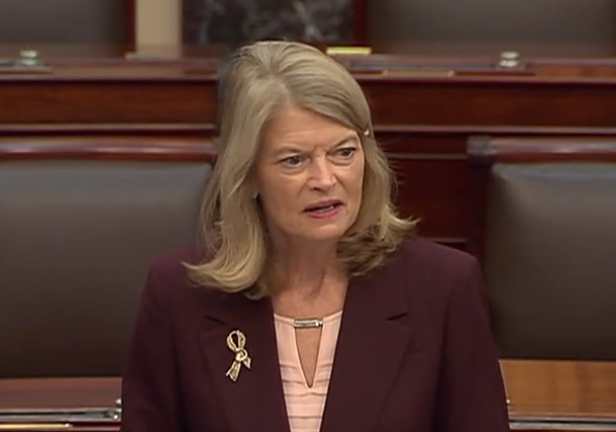
A small group of Senate Republicans is quietly drafting an authorization for the use of military force (AUMF) against Iran, positioning it for a potential vote if President Donald Trump resumes strikes on the Islamic Republic. The effort comes as the 60-day deadline under the War Powers Act approaches, a point at which the President's authority to conduct unauthorized military operations expires. Senator Lisa Murkowski (R-AK) took to the Senate floor Thursday to demand a clear plan from the administration, warning that a premature withdrawal could leave Iran's critical capabilities intact and invite retaliation against American forces and allies.
The Murkowski Challenge: Reasserting Congressional War Power
Murkowski, a key Republican voice on foreign policy, stressed that Congress holds the constitutional power to declare war and authorize military force. 'We owe it to our service members and the Americans who are feeling the economic impacts of this war a clear, thoughtful, rational plan for what comes next,' she said. She noted that the Iranian regime continues to disrupt shipping through the Straits of Hormuz and retains the ability to strike across the region, despite ongoing negotiations. Murkowski argued that the answer is not a blank check for another endless war, nor open-ended authority without guardrails or oversight.
AUMF Details: Restrictions on Ground Troops and Duration
The proposed AUMF, still in draft form, is expected to restrict the deployment of ground forces and limit the duration of any military engagement, according to sources familiar with the discussions. Under the War Powers Act, Congress can fast-track consideration of a military authorization if it is introduced within the early phase of renewed fighting, potentially allowing for a rapid Senate vote. Advisers are also assessing the voting threshold required to pass the measure, with some Republicans arguing it could clear the chamber with a simple majority rather than the higher 60-vote hurdle typically needed for contentious legislation.
GOP Split: Security Spending and Leadership Trust Deficit
Simultaneously, Senate Republicans are pushing a $1 billion package for Secret Service upgrades, including enhanced security for Trump's ballroom, as part of a broader ICE and border patrol funding bill. The proposal has exposed fractures within the party, with some senators expressing concern that House Speaker Mike Johnson is losing control of his caucus. The Thune-Johnson trust deficit — a reference to Senate Minority Whip John Thune and Speaker Johnson — underscores the growing tension between the chambers. The spending package is seen by some as an attempt to shore up Trump's security while also addressing border enforcement, but critics worry it may further strain party unity.
Background: The Iran Conflict and Congressional Authority
The United States is currently at war with Iran, a conflict that began after Trump ordered strikes on the Islamic Republic. Murkowski acknowledged that the Iranian regime has killed thousands of Americans over 47 years through proxies like Hezbollah, Hamas, and Shia militias in Iraq. She emphasized that the regime's brutality against its own people and its destabilizing regional activities make it a clear adversary. However, she cautioned against an abrupt U.S. withdrawal, which could lead to a new set of even more radicalized leaders in Tehran and invite retaliation. The War Powers Act, enacted in 1973, requires the President to notify Congress within 48 hours of committing armed forces to hostilities and limits unauthorized military action to 60 days, with a 30-day withdrawal period.
What Comes Next: AUMF Vote and Broader Implications
The draft AUMF is expected to be introduced soon, potentially triggering a fast-track process in the Senate. The outcome of the vote remains uncertain, with Republicans divided over the scope of military action and the need for congressional approval. The parallel push for $1 billion in security spending adds another layer of complexity, as lawmakers must balance war authorization with domestic priorities. The Thune-Johnson trust deficit suggests that even if the AUMF passes the Senate, it may face hurdles in the House, where Speaker Johnson's grip on his conference appears tenuous.
Analysis: A Test of Party Cohesion and Constitutional Norms
The twin developments — the Iran AUMF and the security spending package — represent a critical test for Senate Republicans as they navigate war powers, fiscal priorities, and internal party dynamics. Murkowski's push for a deliberate congressional role reflects a broader unease among lawmakers about executive overreach in military affairs. Yet the simultaneous effort to fund Trump's security underscores the enduring influence of the former president within the party. How these competing pressures resolve will shape not only the immediate trajectory of the Iran conflict but also the balance of power between Congress and the executive branch.
The bottom line
- Senate Republicans are drafting an AUMF against Iran that would restrict ground troops and limit engagement duration.
- Senator Murkowski is leading the charge to reassert congressional war power as the 60-day War Powers Act deadline nears.
- The AUMF may pass with a simple majority, bypassing the usual 60-vote threshold.
- A separate $1 billion GOP proposal seeks Secret Service upgrades for Trump, including ballroom security, tied to ICE and border patrol funding.
- Internal GOP tensions are evident, with a trust deficit between Senate leadership and House Speaker Mike Johnson.
- The Iran conflict remains active, with the regime still capable of strikes and shipping disruptions despite negotiations.

Mavericks Hire Masai Ujiri as President, Charging Him to Rebuild After Dončić Trade Fallout

Jakub Dobes Stops 28 Shots as Canadiens Edge Lightning 2-1 in Game 7
Maritime Electric's $13.8M Switching Substation Aims to Halve Power Outages in Western P.E.I.
