David Attenborough at 100: A Century of Wild Adventures and Environmental Advocacy
The beloved broadcaster and naturalist marks his centenary, celebrated for bringing the natural world to millions and becoming a powerful voice for conservation.
CANADA —
Key facts
- Sir David Attenborough celebrates his 100th birthday on Friday, May 8, 2026.
- The BBC is hosting a party for him at the Royal Albert Hall.
- Attenborough's career spans over 70 years, bringing nature documentaries to global audiences.
- He has documented wildlife from the Amazon to the Himalayas and Papua New Guinea.
- Attenborough has increasingly used his platform to raise alarms about climate change and environmental threats.
- He endorsed the Sussex Underwater's "Help Our Kelp" project, contributing to a trawling ban in 2021.
- Born in London on May 8, 1926, he shares his birthday with the late Queen Elizabeth II.
A Century of Natural Wonder
The world’s most celebrated wildlife presenter, Sir David Attenborough, reaches a remarkable milestone this week: his 100th birthday. Marked by a special celebration at London’s Royal Albert Hall hosted by the BBC, the occasion sees friends, colleagues, and admirers showering praise on a man who has, for over seven decades, illuminated the planet’s diverse ecosystems for a global audience. Yet, despite the widespread accolades, Attenborough himself is reportedly uncomfortable with the spotlight, consistently emphasizing that "the animals are the stars, I’m not." Through iconic BBC series such as "Life on Earth," "The Private Life of Plants," and "The Blue Planet," Attenborough has guided viewers through the beauty, ferocity, and sheer oddity of the natural world. His hushed, melodic narration has transported audiences from the soaring heights of the Himalayas to the dense Amazon rainforest and the remote jungles of Papua New Guinea, fostering a deep connection with environments many would never personally experience. His work, however, has always been underpinned by a rigorous commitment to scientific accuracy. Attenborough’s documentaries have not only showcased the wonders of evolution and animal behaviour but have also educated viewers on complex subjects like biodiversity. This dedication to factual reporting has been instrumental in shaping public understanding and appreciation for the natural world.
From Early Fascination to Global Icon
Born in London on May 8, 1926, Attenborough’s lifelong fascination with nature began in his childhood. Raised on the grounds of what is now the University of Leicester, where his father served as a senior leader, he spent his youth exploring the surrounding countryside. His early explorations yielded treasures like abandoned birds' nests, shed snake skins, and fossils, sparking a curiosity that his father encouraged. Attenborough’s career in broadcasting began in the nascent days of television. At 26, he produced "Coelacanth," a program featuring biologist Julian Huxley. His early work also included appearances on the gameshow "Animal, Vegetable, Mineral?" and the debut of his first natural history series, "Animal Patterns." His career took a significant turn with the launch of "Zoo Quest" in the 1950s. This groundbreaking series, which followed expeditions to capture animals for display in London’s zoo, proved immensely popular. Attenborough’s on-screen presence and adventurous spirit, including encounters with charging tribesmen in Papua New Guinea and the capture of a Komodo dragon in Indonesia, captivated audiences and cemented his status as a television personality.
A Voice for the Planet
Over the years, Attenborough’s role evolved from that of a neutral observer to a passionate advocate for environmental protection. While initially presenting the natural world with a sense of awe, the mounting evidence of human-caused threats—such as climate change and ocean plastic pollution—compelled him to speak out. Attenborough felt a responsibility to address these issues when political and public action lagged. "He is showing you the majesty, the ferocity, the fragility of the natural world. He shouldn’t have ever had to have turned to policymaking and advocacy," Garrod stated, acknowledging the weight of this transition. Attenborough’s influence extends beyond his documentaries. He has lent his voice and support to numerous conservation initiatives. Notably, he endorsed the Sussex Underwater's "Help Our Kelp" project, a collaboration that contributed to the banning of trawling in a 117-square-mile area off the Sussex coast in 2021. This direct involvement highlights his commitment to tangible conservation efforts.
Adventures and Anecdotes
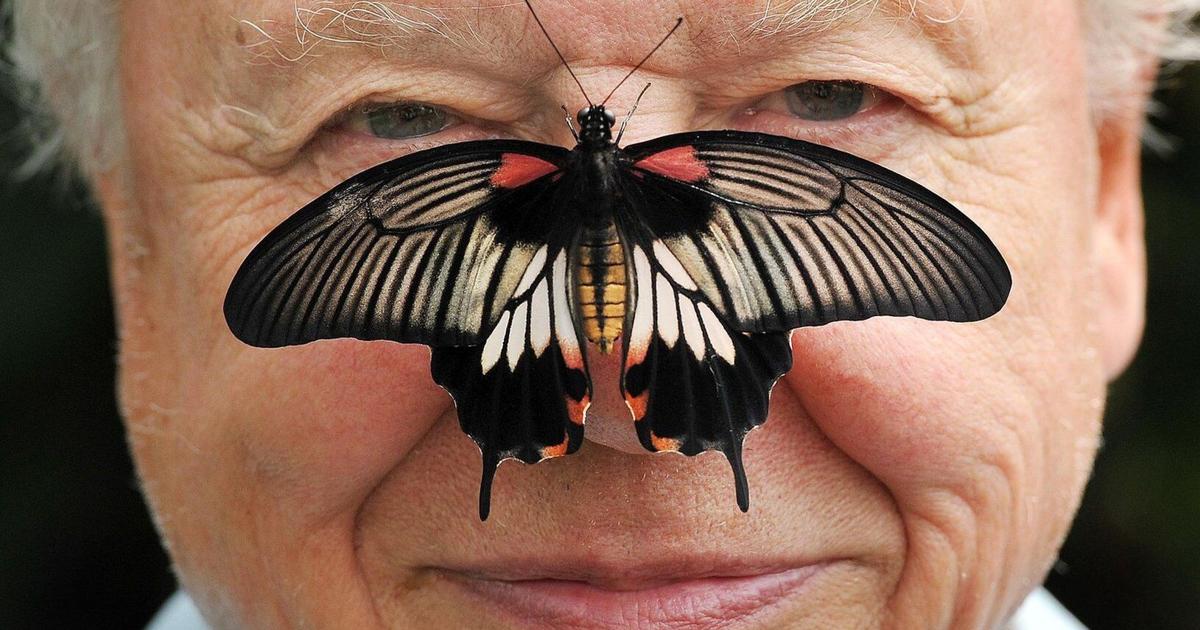
Attenborough’s career is punctuated by extraordinary adventures and memorable encounters. He has faced down swarms of 120 million crabs attempting to crawl up his trousers, remained composed beside an erupting Icelandic volcano, and even been charged by armed tribesmen in Papua New Guinea, diffusing the tension with a calm "Good afternoon." His expeditions have yielded remarkable moments, such as encountering a giant swarm of butterflies in Paraguay, leading him to quip that they must have mistaken him for rotting fruit. He also ventured to Vanuatu, discovering a cargo cult whose beliefs were centred on the arrival of aircraft. These experiences, often fraught with peril and wonder, have been meticulously documented, showcasing not only the diversity of life on Earth but also the resilience and adaptability of both nature and the man who has dedicated his life to revealing it.
Impact on Conservation and Public Awareness
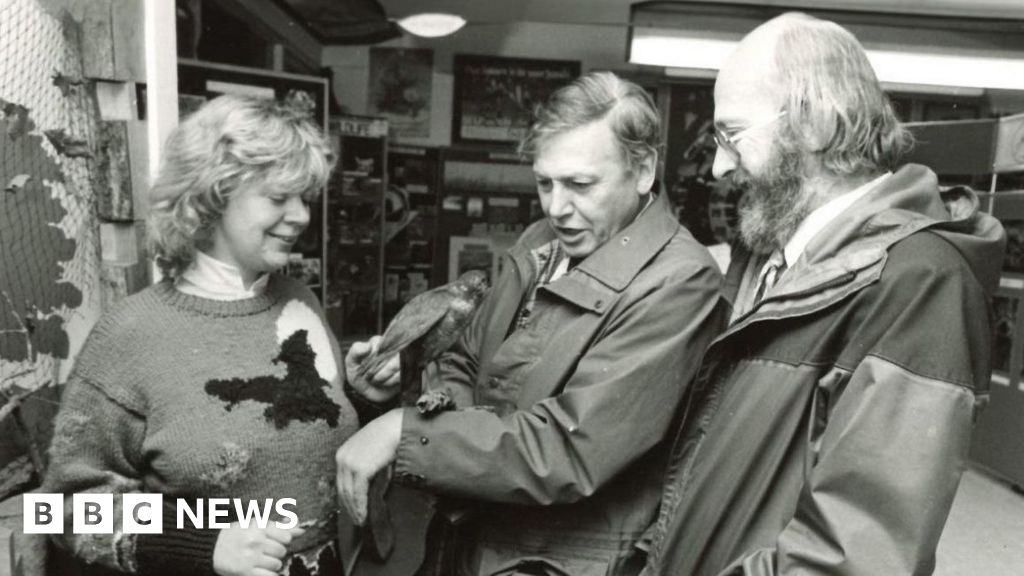
The impact of Sir David Attenborough’s work on conservation charities and public awareness is profound. Organizations like Sussex Underwater have credited him with significantly advancing efforts to protect marine environments. Co-founders Eric Smith and Catrine Priestly described his involvement with their "Help Our Kelp" project as invaluable, noting that "nothing is too small for him," despite his global reach. Similarly, Surrey Wildlife Trust’s chief executive, Sarah Jane Chimbwandira, emphasized Attenborough’s unique ability to make environmental stewardship accessible. "Figures such as Sir David Attenborough are so incredibly important to inspire people like myself," she said. "What he's done better than anyone else is making caring for nature feel like something that ordinary people can do." His influence is not confined to endorsements; it is woven into the fabric of public consciousness. Through his extensive body of work, including his book "Ocean" and its documentary adaptation, Attenborough has consistently championed the cause of nature, inspiring generations to understand, appreciate, and ultimately protect the planet.
A Legacy of Awe and Urgency
As Sir David Attenborough marks his centenary, his legacy is one of profound duality: an unparalleled ability to inspire awe for the natural world, coupled with an increasingly urgent call to action. For over 70 years, his voice has been the conduit through which millions have experienced the planet's wonders, fostering a deep-seated appreciation for its biodiversity and delicate ecosystems. However, this celebration is also a moment to reflect on the critical environmental challenges he has so eloquently highlighted. Attenborough’s transition from a presenter of nature’s marvels to a vocal advocate for its preservation underscores the gravity of the threats facing our planet. His work now serves not only as a testament to the beauty of the natural world but also as a stark reminder of our collective responsibility to protect it. The coming years will undoubtedly see continued reflection on his contributions, but the enduring message from Attenborough’s century of life is clear: the wonder he has shared must be matched by decisive action to ensure its survival for future generations.
The bottom line
- Sir David Attenborough is celebrating his 100th birthday, a milestone marked by BBC events and widespread public tributes.
- His career, spanning over seven decades, has established him as a preeminent broadcaster and naturalist, bringing global wildlife to television screens.
- Attenborough's work has evolved from showcasing nature's wonders to becoming a prominent advocate for conservation and environmental protection.
- He has actively supported conservation projects, including the "Help Our Kelp" initiative, demonstrating a commitment to tangible environmental action.
- His ability to make complex environmental issues accessible has inspired widespread public engagement in caring for nature.
- Attenborough's legacy is characterized by both an unparalleled ability to inspire awe for the natural world and an urgent call for its preservation.




Lotto Max Jackpot Climbs to $70 Million as Major Prizes Go Unclaimed

Nintendo Announces Star Fox Remake for Switch 2

Dahlin, Makar, Werenski Vie for Norris Trophy
