23 U.S. States Declare Emergencies as Winter Storm Threatens 200 Million
The sprawling storm system, described as the largest to impact so many states in decades, has already claimed at least five lives in New York City.

CANADA —
Key facts
- Over 200 million people were under winter storm threats at the storm's peak.
- 23 states and Washington, D.C., declared states of emergency.
- At least 10 states activated their National Guards.
- at least five deaths on Saturday.
- Parts of Kentucky and Virginia could see up to 2 feet of snow.
- FEMA stocked distribution centers with over 7 million meals and 3 million liters of water.
- Homeland Security Secretary Kristi Noem called it the largest storm in possibly decades.
- Ice accumulations of over a quarter inch can cause power lines to sag or fail.
A Storm of Historic Scale Sweeps the Nation
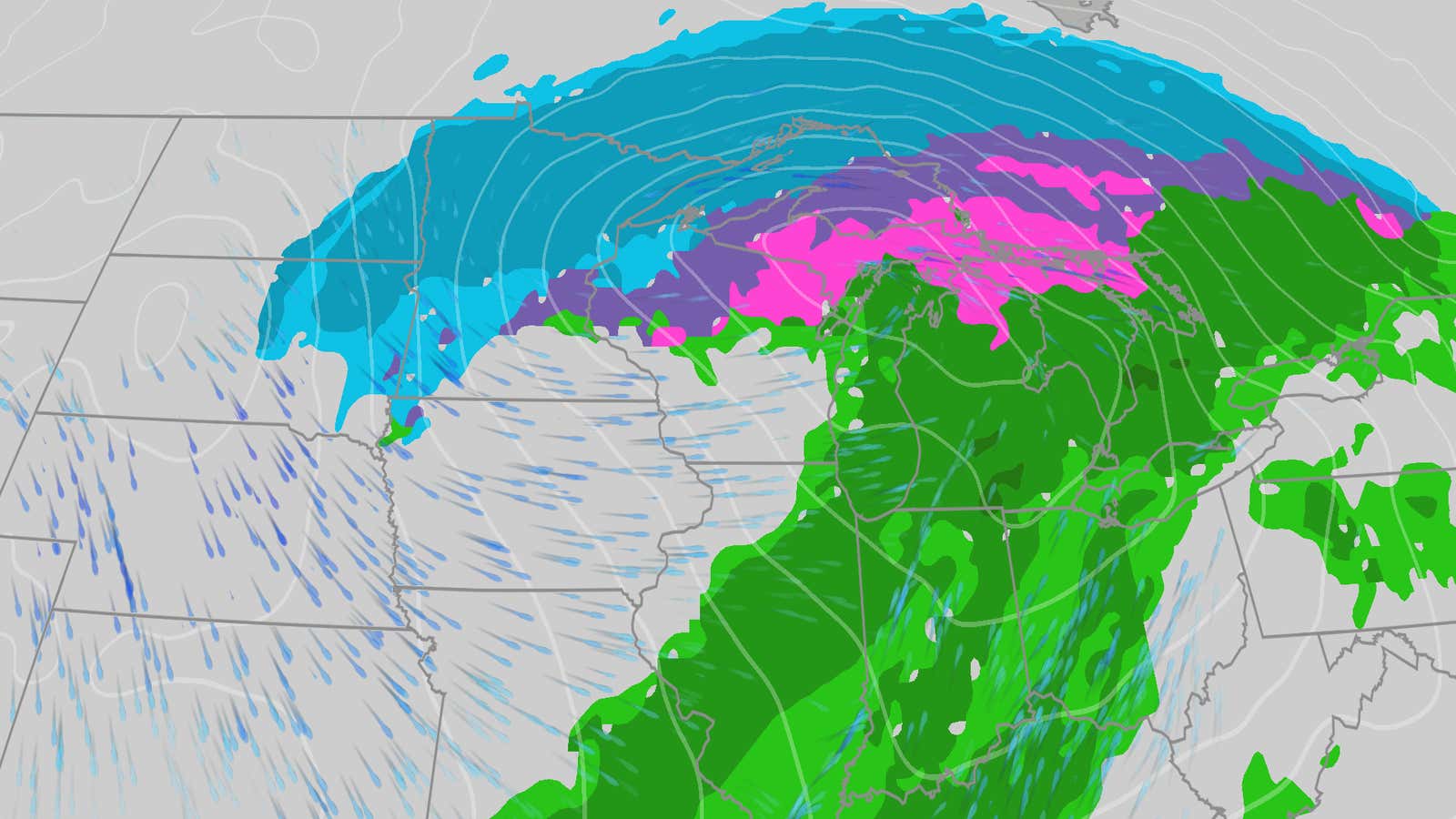
A massive winter storm has engulfed much of the United States, placing more than 200 million people under winter storm threats at its peak and prompting emergency declarations across 23 states and the District of Columbia. Homeland Security Secretary Kristi Noem described it as "the largest storm that we've seen impact the most states in this big of a population in possibly decades." The storm, which began moving across land over the weekend, is delivering a dangerous mix of snow, sleet, and freezing rain across 35 states. Sleet and freezing rain created treacherous conditions through the weekend, and the system is expected to linger in New England through Monday morning before finally exiting the U.S. later in the day. At least 10 states have activated their National Guards as the sprawling weather system continues its eastward march. The declarations span a wide arc from Texas to New England, including Alabama, Arkansas, Connecticut, Delaware, Georgia, Indiana, Kansas, Kentucky, Louisiana, Maryland, Mississippi, Missouri, Nebraska, New Jersey, New York, North Carolina, Ohio, Pennsylvania, South Carolina, Tennessee, Texas, Virginia, West Virginia, and Washington, D.C.
Deadly Cold and Record Snowfall Forecast
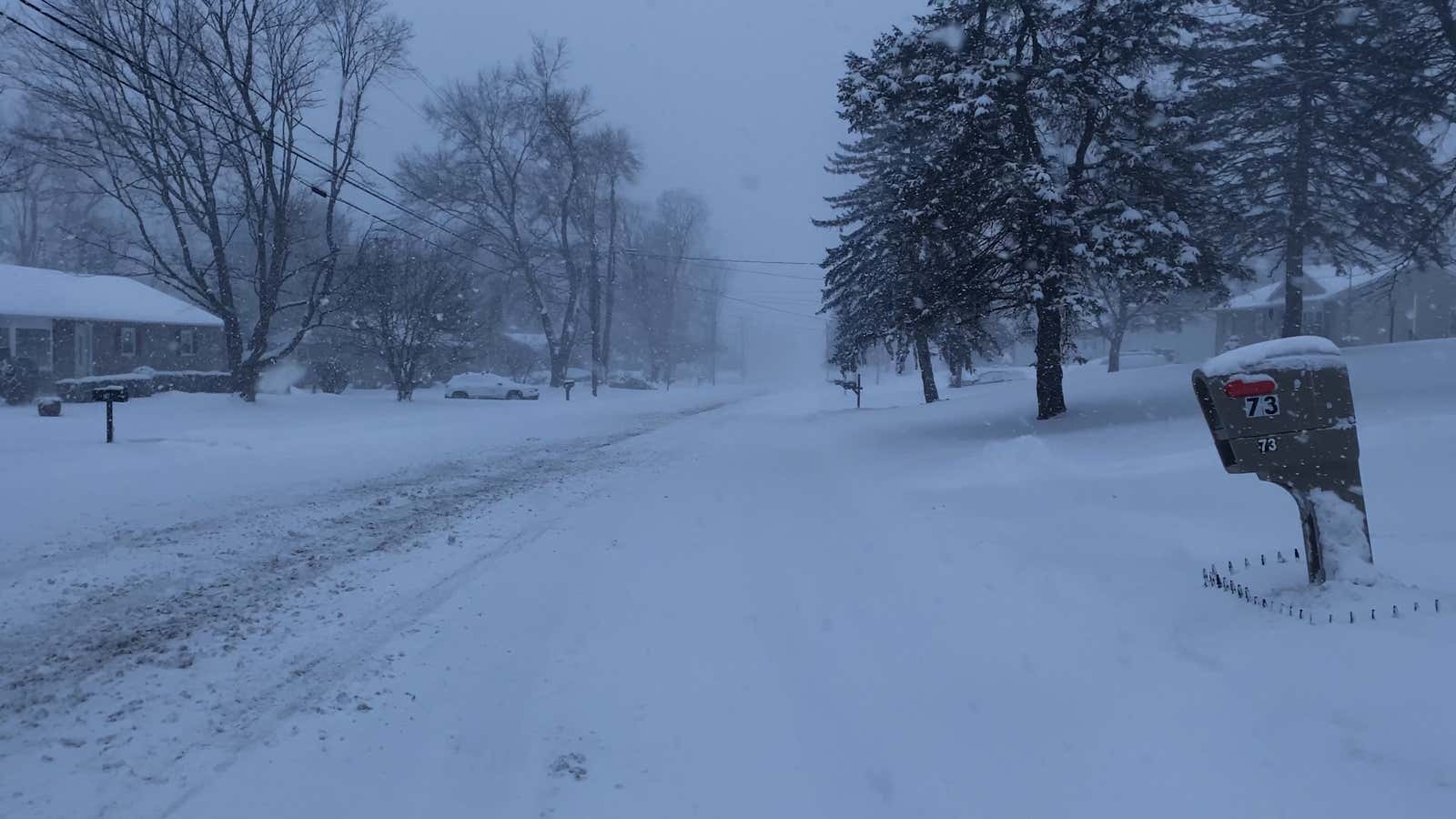
Forecasters warn of frigid temperatures, gusty winds, and dangerous wind chills. Areas at the storm's center, including parts of Kentucky and Virginia, could see as much as 2 feet of snow between Saturday and Monday. Major cities such as New York City, Boston, and Oklahoma City could receive 12 to 18 inches of snow, while outer bands may bring 1 to 6 inches across large swaths of the country. New York City Mayor Zohran Mamdani said the city is forecast to face the coldest sustained temperatures it has seen in eight years. He also announced the deaths of at least five New Yorkers on Saturday, writing on social media that it was too early to officially determine the cause but calling the fatalities "a reminder that every year New Yorkers succumb to the cold." Mamdani added, "The danger of this weather cannot be overstated." In the southern part of the country, ice accumulations pose a particular threat. Officials warn that ice can be more dangerous than snow, as its weight on power lines is more likely to cause outages. Thomas Overbye, a professor of electrical and computer engineering at Texas A&M University, explained that once ice exceeds about a quarter inch on lines, "the lines either start sagging and failing, or more likely, you actually get the vegetation above it, the trees, to fall on the lines, and that causes potentially a larger number of outages."
Emergency Response and Preparations Underway
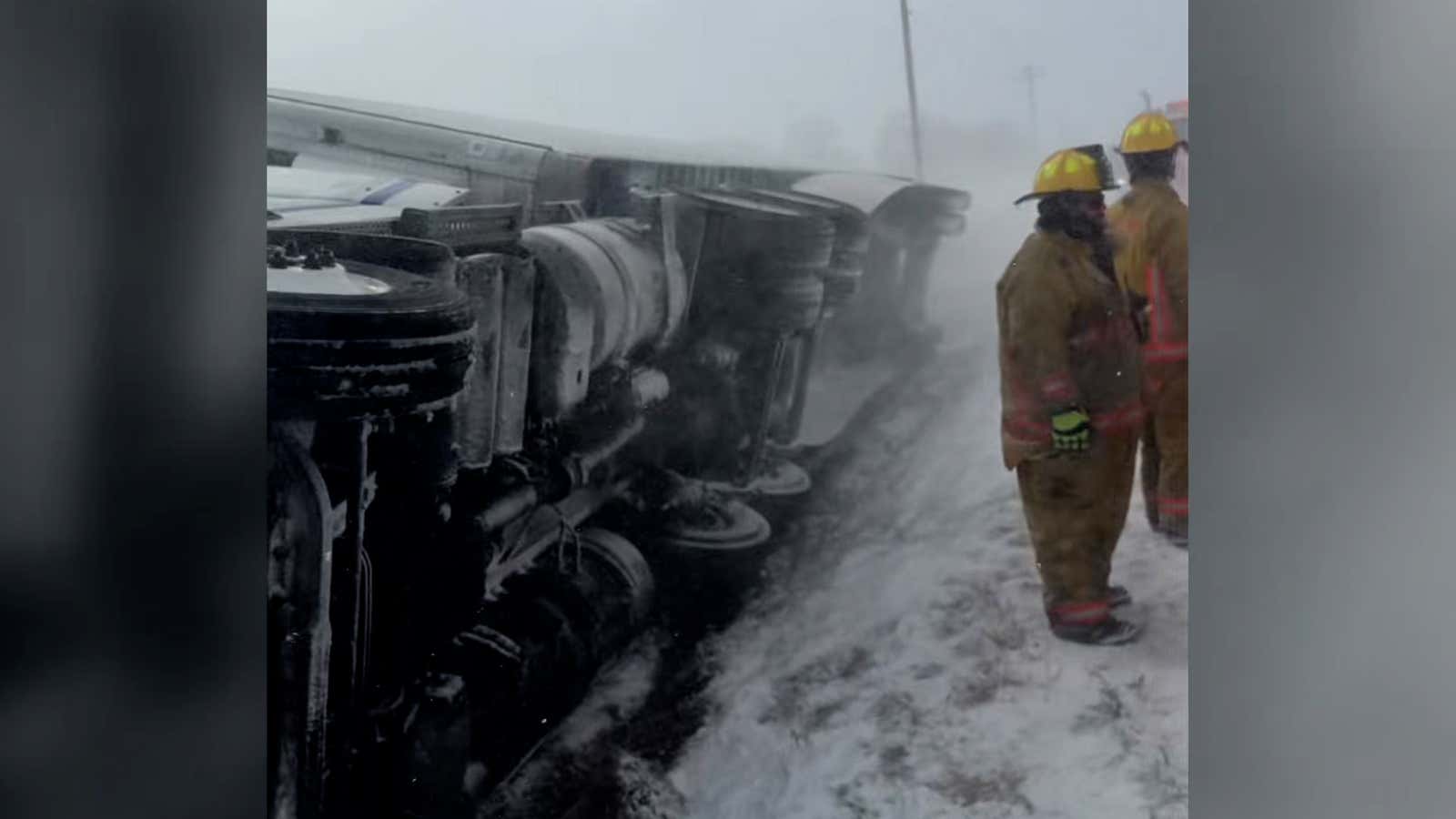
FEMA officials said they have several distribution centers across the south and east stocked with over 7 million meals, more than 3 million liters of water, over 650,000 blankets, and more than 180 generators. These resources are positioned to support communities as the storm unfolds. The activation of National Guards in at least 10 states underscores the severity of the situation. Guardsmen are being deployed to assist with emergency response, including clearing roads, conducting rescues, and providing logistical support. In Indiana, a truck rolled over during heavy snow, trapping two drivers inside the cabin. Their reaction to the wreck, captured on video, showed them making the best of their ordeal while the truck lay on its side on the snow-covered road.
Nor'easters and the Broader Winter Pattern
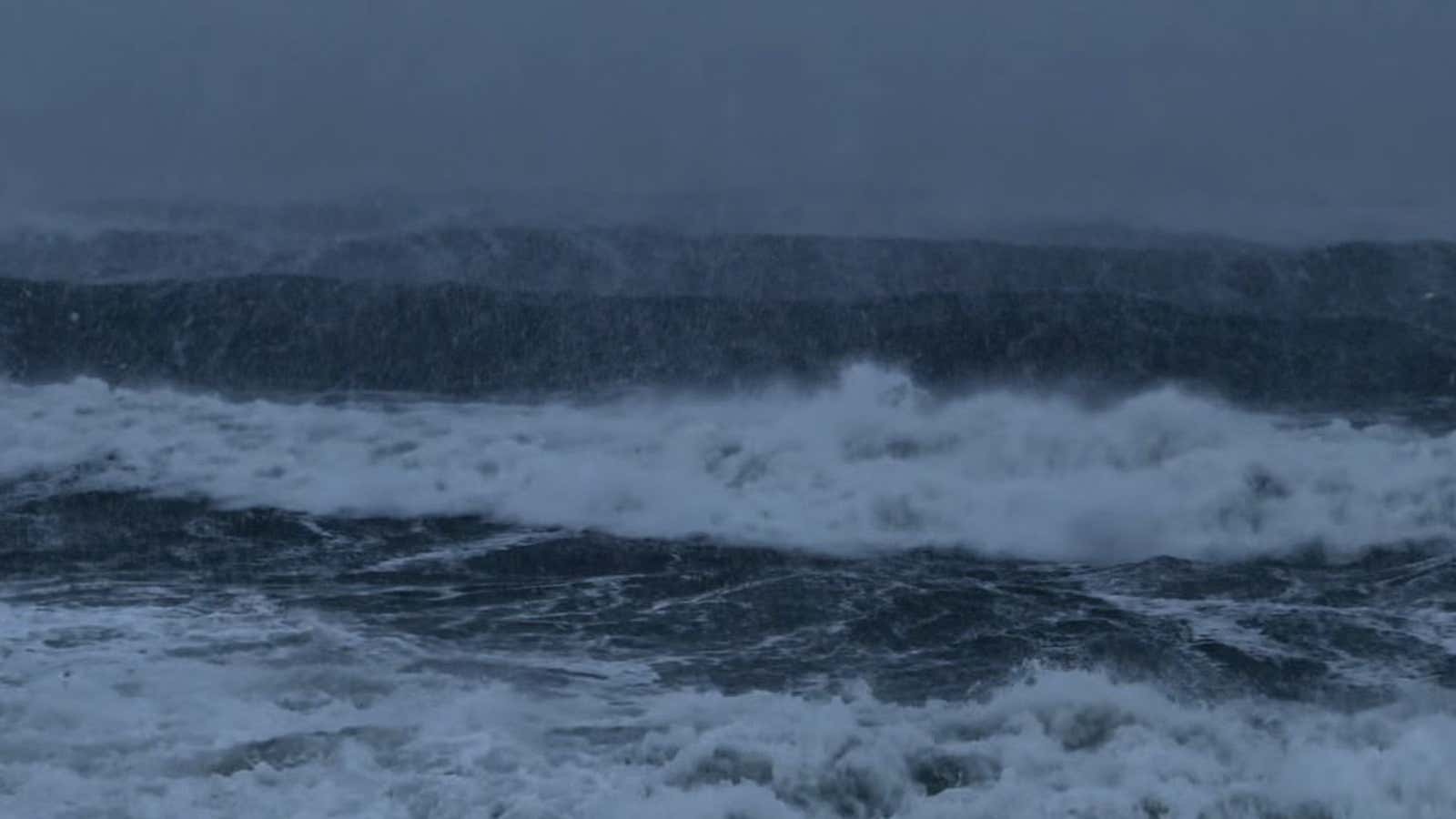
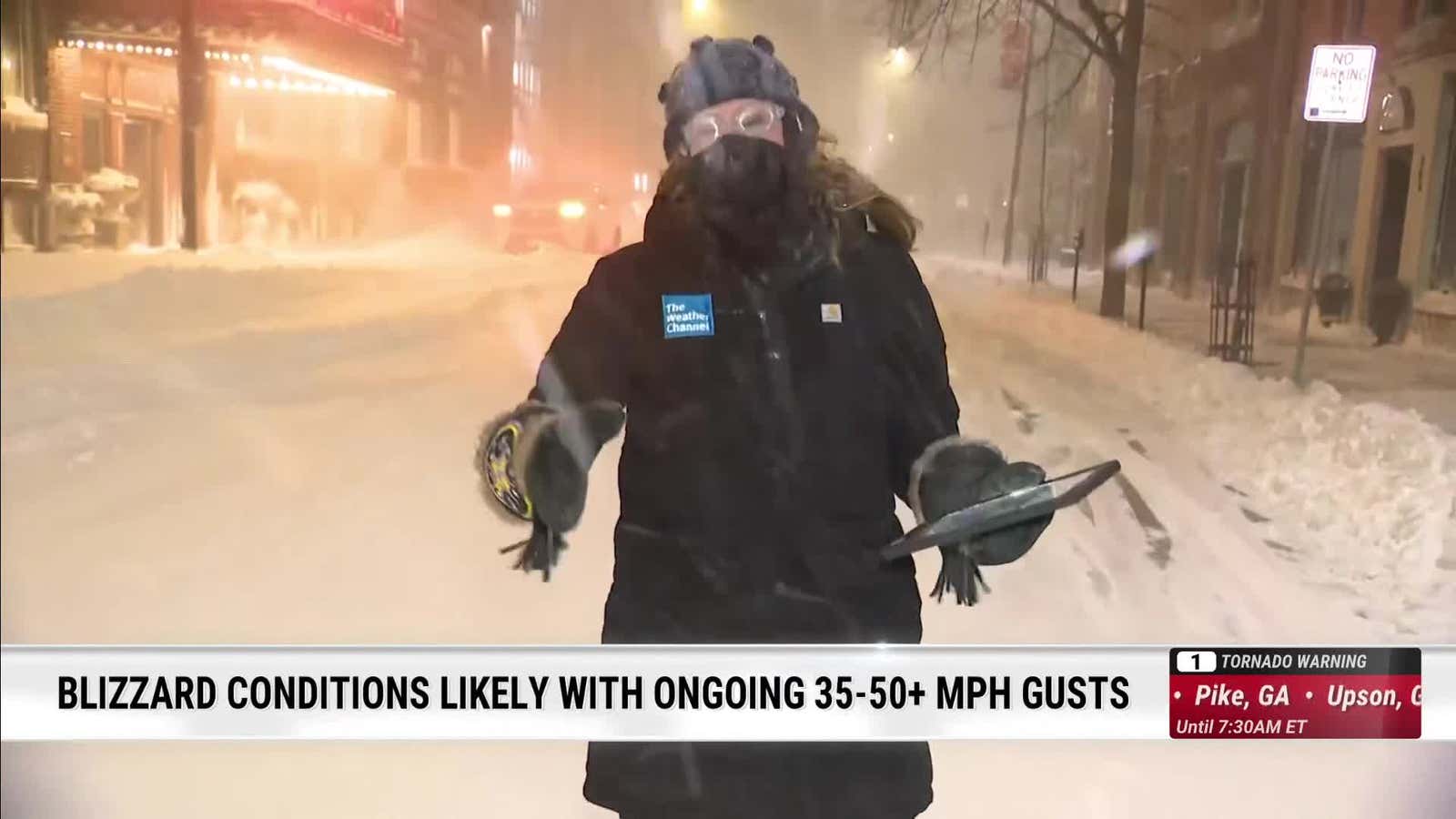
The current storm is part of a series of winter weather events that have pummeled the northern U.S. in recent weeks. A nor'easter, a strong low-pressure system along the East Coast with winds from the northeast, can bring heavy rain or snow, strong winds, and coastal flooding. Earlier in April, back-to-back winter storms brought snowfall and ice to parts of the Northern Rockies and upper Midwest. In Plymouth, Massachusetts, Winter Storm Hernando tested even the most winter-ready communities, knocking out power to tens of thousands along the coast with powerful winds and extremely heavy snow. The Weather live from Green Bay, Wisconsin, during Winter Storm Iona, describing fierce winds and cold temperatures as the system left feet of snow in the upper Midwest. These events highlight a pattern of intense winter storms affecting large populations, raising questions about infrastructure resilience and emergency preparedness.
Outlook: Lingering Threats and Recovery
As the storm moves into New England, residents face continued hazards from snow, ice, and bitter cold. Power outages remain a significant concern, especially in areas where ice accumulation exceeds a quarter inch. The weight of ice on power lines and trees can cause widespread damage, complicating recovery efforts. Officials urge residents to stay indoors, avoid travel, and prepare for possible extended outages. The storm's slow exit means that conditions may not improve until late Monday or Tuesday. The full extent of the storm's impact will become clearer as assessments are completed. With millions affected and emergency declarations in place, the focus now shifts to response and recovery, as communities brace for what could be a prolonged period of disruption.
The bottom line
- The winter storm is one of the most widespread in recent memory, affecting over 200 million people across 35 states.
- 23 states and D.C. declared states of emergency, with at least 10 activating National Guards.
- in New York City, with more possible as the storm continues.
- Snowfall could reach 2 feet in parts of Kentucky and Virginia, while major cities may see 12-18 inches.
- Ice accumulation poses a greater risk than snow for power outages, as experts warn of line failures with over a quarter inch of ice.
- FEMA has pre-positioned millions of meals, liters of water, blankets, and generators in affected regions.

Rare May Nor'easter Pummels Maritimes with Rain, Gusts and Snow

Flyers and Hurricanes Set for First Postseason Meeting After Four Overtime Thrillers

Trump declares US hostilities with Iran 'terminated' as ceasefire pauses war powers clock
