Sony Clarifies New DRM: One-Time Online Check, Then Perpetual License
After days of confusion over a 30-day timer on digital PlayStation games, Sony confirms a single online check-in is all that is needed to secure permanent offline access.
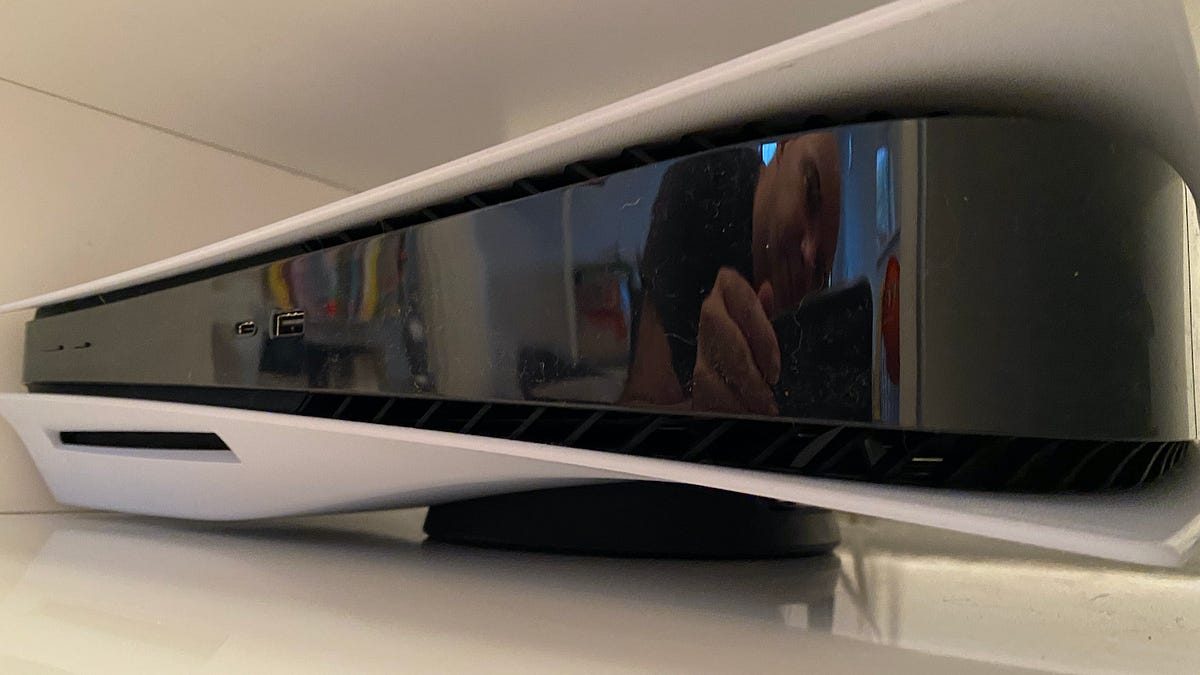
CANADA —
Key facts
- A 30-day timer appeared on digitally purchased PS4 and PS5 games in mid-April.
- Sony told Game File that only a one-time online check is required after purchase.
- Gamer Andshrew on Resetera discovered the timer can be replaced by a perpetual license after an online check-in.
- The perpetual license is believed to activate no sooner than 15 days after purchase.
- The 15-day window aligns with PlayStation's 14-day refund period.
- Sony has not explained why the new DRM was introduced.
- The Xbox One's 2013 24-hour check-in plan was abandoned after backlash.
A 30-Day Timer Sparks Alarm
Late last week, PlayStation fans and gaming preservationists noticed a troubling addition to newly purchased digital games on PS4 and PS5: a 30-day timer. The timer appeared to threaten the playability of games if the console remained offline for more than a month. The discovery spread rapidly after a post by YouTuber Lance MacDonald on Friday, prompting players to begin stress-testing the system.
Sony’s Clarification: One-Time Check-In
A Sony representative told Game File that the new system requires only a single online check after purchase. “Players can continue to access and play their purchased games as usual,” the rep said via email. “A one-time online check is required after purchase to confirm the game’s license, after which no further check-ins are needed.” The explanation aligns with the emerging understanding among players who had been testing the timer.
Gamers Crack the Code
Players quickly discovered that setting a console as “primary” did not override the 30-day limit. On Tuesday, a gamer named Andshrew on the Resetera forums posted findings from their own testing. They found that digital games purchased after mid-April would initially show a 30-day timer, but that timer could be removed and replaced with a perpetual license after the console connected to the internet. The license change occurred no sooner than 15 days after purchase, leading to theories that the system is tied to PlayStation’s 14-day refund window.
The Refund Theory and Unanswered Questions
Some users theorize that the new timer is designed to prevent exploitation of the refund system. Sony has not confirmed this, nor has it explained the reason for introducing the DRM. The company declined to comment on whether the 15-day timeline is accurate or if the perpetual license can be activated sooner. The lack of official detail leaves room for speculation, but Sony’s statement suggests that long-term access to purchased games will not be affected by offline periods or server outages.
Echoes of the Xbox One Debacle
of the 30-day timer evoked memories of Microsoft’s 2013 Xbox One announcement, which required a daily internet check-in to play games. That plan was met with widespread backlash and was abandoned before the console’s launch. The parallel highlights the sensitivity of DRM changes in the gaming community, where trust in digital ownership remains fragile.
What Comes Next
Sony has not disclosed whether the new DRM will be applied retroactively or if it is a permanent feature. The company also has not addressed whether the perpetual license can be activated before the 15-day mark. As players continue to test the system, the gaming community awaits further clarification. The incident underscores the ongoing tension between digital rights management and consumer expectations of ownership.
The bottom line
- Sony’s new DRM requires a one-time online check after purchase, after which games become perpetually playable offline.
- The 30-day timer that alarmed players is temporary and can be replaced by a perpetual license upon online check-in.
- The perpetual license appears to activate no sooner than 15 days after purchase, likely tied to the 14-day refund window.
- Sony has not explained the rationale for the new system, leaving room for speculation about anti-exploit measures.
- The incident recalls Microsoft’s failed Xbox One DRM plan, highlighting the importance of clear communication on digital ownership.


Raptors' Brandon Ingram ruled out for Game 6 as Toronto faces elimination against Cavaliers
Raptors Face Elimination Without Ingram After Heel Injury
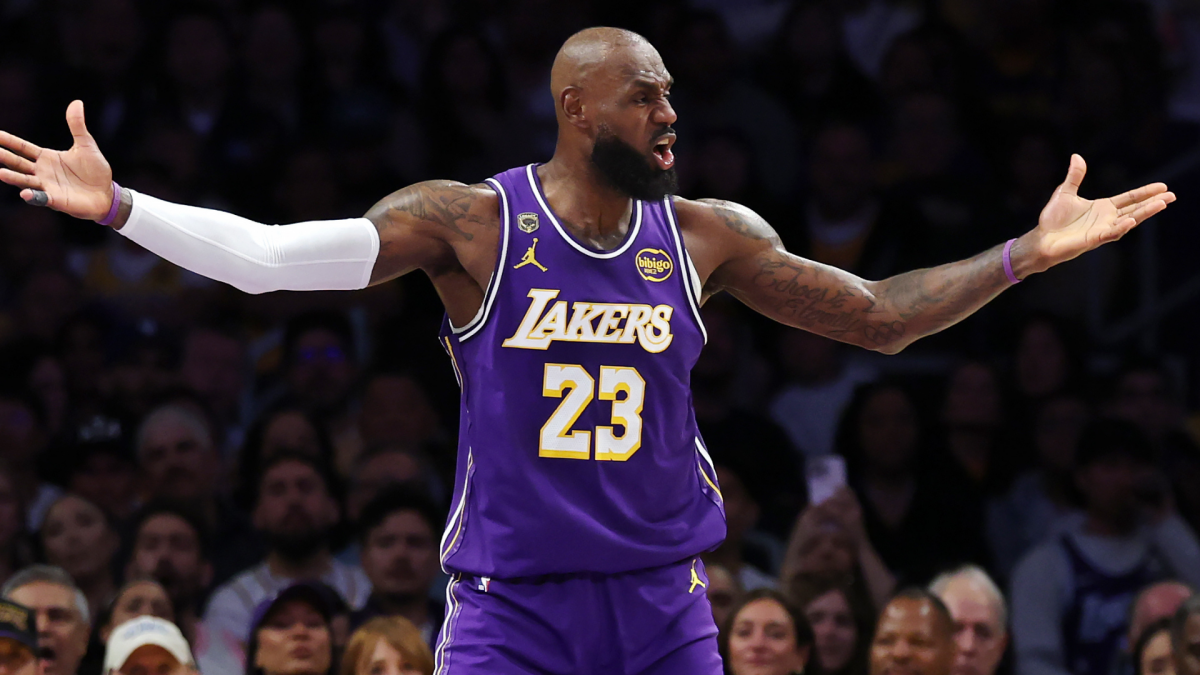
Lakers' Offensive Stumble Gives Rockets Hope of Historic Comeback