Black Rain Falls on Tuapse as Third Ukrainian Drone Strike Engulfs Refinery
A series of Ukrainian drone attacks on one of Russia's largest oil refineries has caused an ecological disaster, coating the Black Sea town in toxic soot and oil.

CANADA —
Key facts
- Ukrainian drones struck the Tuapse refinery on April 16, April 20, and April 29, 2026.
- The April 20 fire lasted five days and released benzene, xylene, and soot at three times safe levels.
- Black rain, a phenomenon seen after Hiroshima and Kuwait oil fires, fell on Tuapse.
- Volunteers set up animal cleanup centres to wash oil-covered cats, dogs, and birds.
- Ukraine’s Security Service (SBU) claimed responsibility for the long-range drone attacks.
- The refinery is one of Russia's largest, located on the Black Sea coast in Krasnodar region.
A Toxic Shroud Over the Black Sea Coast
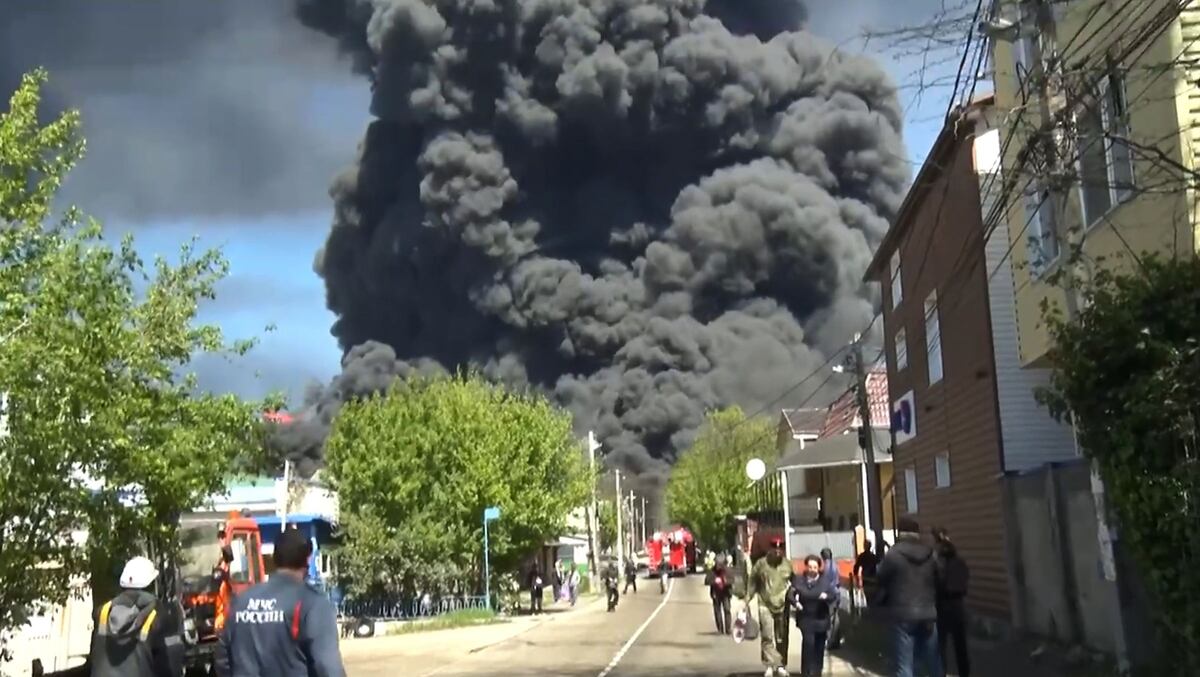
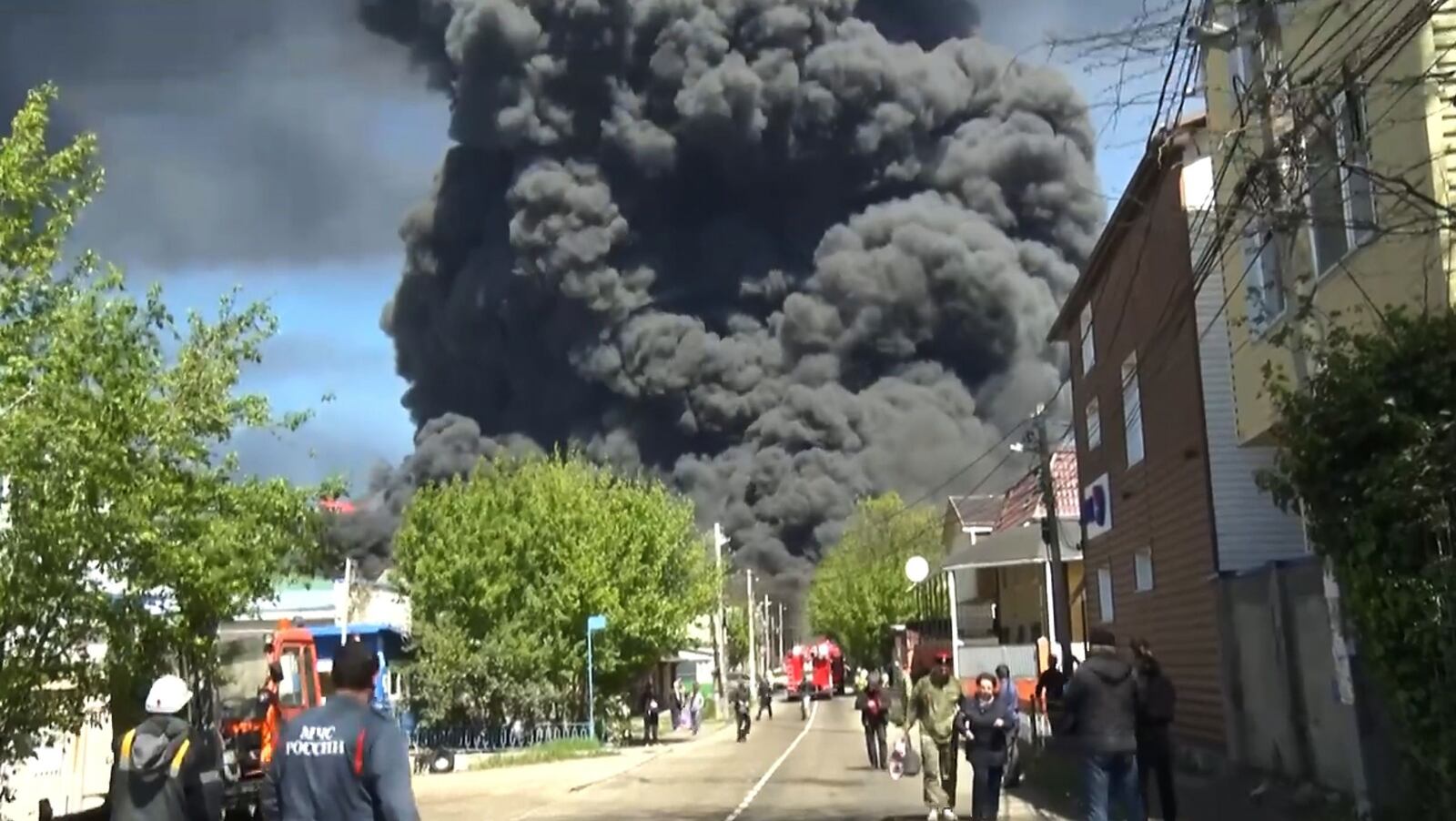
When cleanup volunteer Sergei Solovev arrived in Tuapse, an unpleasant odour hung in the air and everything was coated in a layer of black grime. “I saw train carriages covered in residue from the black rain and animals. It’s all very toxic,” he said. “And the smell was oily.” The black rain — water droplets blackened by soot and ash — is an unnatural phenomenon previously seen after the atomic bombing of Hiroshima in 1945, in Tehran, and in Kuwait in 1991 when oilfields burned during the Gulf War. Now it has fallen on Russia. Over the past 12 days, Tuapse has been hit by a series of three Ukrainian drone strikes targeting its refinery, one of the largest in Russia. The attacks, aimed at crippling Russia’s oil industry, have triggered an ecological disaster in a war that has already devastated the environment.
Three Strikes in 12 Days
The first strike came on April 16, causing a fire that burned for two days. Four days later, on April 20, the refinery was struck again, leaving a massive plume of thick smoke billowing into the sky. This time, the fire lasted five days. Smoke from the fire released poisonous chemicals, and a subsequent analysis of the air around the town found that concentrations of benzene, xylene, and soot were three times above safe levels. No more data was published after that, but residents were advised to stay indoors, keep their windows shut, and leave home wearing a mask. On April 29 — the third attack in 12 days — local officials reported fires at the refinery again. Krasnodar regional governor Veniamin Kondratyev inspected the aftermath, posting images on his Telegram channel.
Volunteers Battle an Oil Slick on Animals and Streets
As the black rain fell, it coated cars, buildings, and animals. “The rain covered all the cars and animals,” said Elena Lugovenko, a local volunteer. “All the animals are covered in oil. Volunteers have set up animal cleanup centres.” Volunteers collected distressed animals, including cats, dogs, and birds, to wash away the muck before sending them to shelters. Oil spills are particularly dangerous for birds, which find it extremely difficult, if not impossible, to fly. The oil is also poisonous, and birds may accidentally swallow it as they try to preen themselves. Cleanup efforts are ongoing, but the scale of contamination is vast. The refinery is one of Russia's largest, and the repeated strikes have released enormous quantities of toxic substances into the environment.
Ukraine Claims Responsibility, Touts Long-Range Drone Reach
Ukraine’s Security Service (SBU) said it struck an oil pumping station near the city of Perm as part of efforts to target Russia’s energy infrastructure. The area is more than 1,500 kilometers (900 miles) from Ukraine. President Volodymyr Zelenskyy touted Ukraine’s drone reach, claiming the attacks as part of a campaign to degrade Russia’s war-fighting capability. Russian officials have not been forthcoming about Ukrainian claims that Kyiv is carrying out more long-range attacks and that its domestically developed drones are increasingly accurate. Perm Gov. Dmitry Makhonin said only that a drone hit an unspecified industrial facility, sparking a fire. Advanced drone technology has become a defining feature of the war as Russia’s bigger army presses its more than four-year invasion of its neighbor. Ukraine has repeatedly targeted Russian oil infrastructure to disrupt fuel supplies and revenue.
Wider Context: A War That Devastates the Environment
The environmental toll of the war continues to mount. The Tuapse refinery attacks are the latest in a series of strikes on Russian energy facilities, including the Druzhba pipeline, which Ukraine targeted to sever Russian oil influence in the EU. The black rain in Tuapse is a stark reminder of the ecological consequences of such attacks. Meanwhile, the war grinds on. At least three people were killed and more than 10 injured in Russian attacks on Ukraine, and residential buildings burned in the Odesa and Sumy regions following Russian drone strikes. On a call with U.S. President Donald Trump, Russian President Vladimir Putin accused Kyiv of inciting other European leaders and “prolonging the conflict,” according to presidential aide Yuri Ushakov. As both sides escalate their use of drones, the human and environmental costs continue to rise. The black rain over Tuapse may be a harbinger of more such disasters to come.
What Comes Next: Lingering Toxicity and Unanswered Questions
Residents of Tuapse remain under advisory to stay indoors and wear masks, but no further air quality data has been published. The long-term health effects of exposure to benzene, xylene, and soot are well-documented, including risks of cancer and respiratory disease. Volunteers continue to clean animals and streets, but the refinery itself may take weeks or months to repair. Each strike has caused fires that burned for days, releasing continuous plumes of toxic smoke. The question of how Ukraine can sustain such long-range drone attacks remains open. Russian officials have downplayed the strikes, but the repeated hits on critical infrastructure suggest a growing capability. For the people of Tuapse, the immediate concern is the toxic legacy of the black rain — a phenomenon that, until now, they had only read about in history books.
The bottom line
- Ukrainian drones struck the Tuapse refinery three times in 12 days, causing fires that burned for up to five days and releasing toxic chemicals.
- Black rain, a phenomenon of soot-laden precipitation, fell on the town, coating everything in oil and grime.
- Air concentrations of benzene, xylene, and soot reached three times safe levels; residents were told to stay indoors.
- Volunteers set up animal cleanup centres to wash oil-covered pets and wildlife.
- Ukraine claimed responsibility, saying its drones hit a site over 1,500 km away, demonstrating long-range strike capability.
- The attacks are part of a broader Ukrainian campaign to cripple Russia's energy infrastructure and reduce its war revenue.




Brent crude surges past $126 as Iran tensions roil markets, then plunges 9%

Colorado Snowpack Hits Record Lows as Late-Season Storm Promises Up to Two Feet

Brent crude surges past $126 as stalled US-Iran talks threaten Strait of Hormuz reopening