Vancouver Shatters 125-Year-Old Heat Record Amidst Record Energy Demand
Unseasonably warm temperatures across British Columbia trigger highest May electricity usage ever recorded.
CANADA —
Key facts
- Vancouver's temperature reached 23.9 C on Monday, breaking a 1898 record of 22.2 C.
- Electricity demand hit 7,600 megawatts, the highest level ever seen in May.
- 19 communities across British Columbia set new daily high temperature records on Monday.
- Lytton, B.C., recorded the nation's highest temperature at 31.9 C on Monday.
- Nearly 70 per cent of B.C. households now have air conditioning.
- B.C. Hydro is offering limited-time rebates on energy-efficient cooling and air-quality systems.
Heatwave Grips British Columbia, Shattering Records
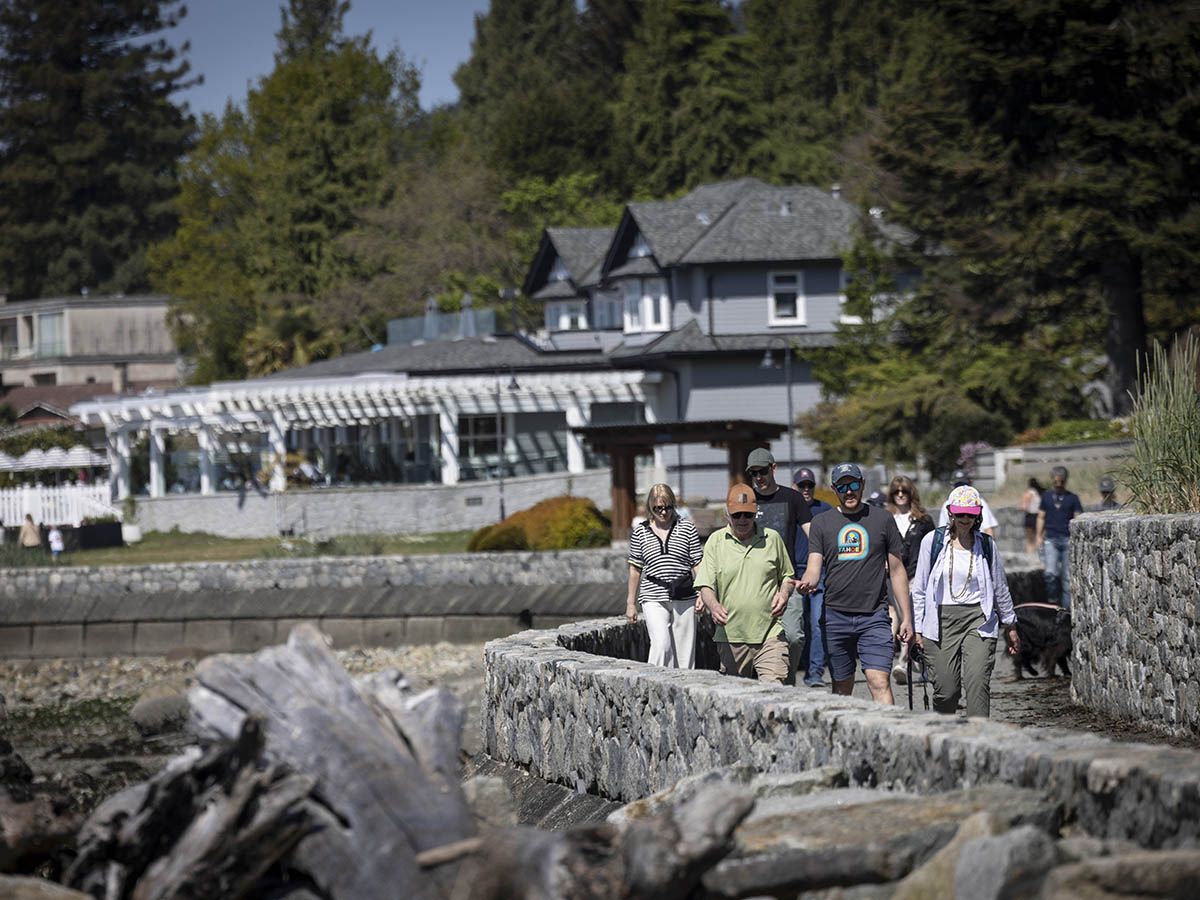
Vancouver experienced a historic heat event on Monday, with temperatures soaring to 23.9 degrees Celsius. This reading not only marked a significant deviation from typical spring weather but also obliterated a 125-year-old record of 22.2 C, established in 1898. The unseasonably warm conditions were not confined to the city, as 19 communities across British Columbia, including Pemberton which registered a high of 31.5 C, set new daily temperature records for May 4. The national hot spot for the day was Lytton, B.C., where the mercury climbed to 31.9 C. The persistent warmth is attributed by meteorologists to a significant ridge of high pressure. While a gradual cooling is anticipated over the next few days, forecasts suggest a return to warmer temperatures by the weekend. This pattern of record-breaking heat has become a recurring theme across the province, with numerous locations, from the Metro Vancouver communities of Richmond and West Vancouver to the Vancouver Island towns of Nanaimo and Port Alberni, experiencing their own temperature milestones.
Record Energy Demand Strains B.C. Hydro Grid
The surge in temperatures has had a direct impact on electricity consumption, pushing demand to an unprecedented peak for the month of customer usage reached approximately 7,600 megawatts on Monday, signifying the highest level of demand ever recorded during this period. This peak usage, driven by residents employing fans and air conditioning units to combat the heat, occurred early in the month, underscoring the unusual nature of the heatwave. Despite the record demand, the Crown utility affirmed that its clean-electricity grid successfully met the challenge. However, the figures pale in comparison to the energy consumption observed during the coldest winter months. The utility noted that the increased demand is partly a consequence of the growing prevalence of air conditioning units in homes across the province, a trend linked to increasingly hotter summers.
Air Conditioning Proliferation Fuels Demand
The widespread adoption of air conditioning is a key factor behind the record electricity demand. B.C. Hydro stated that nearly 70 per cent of households in the province now possess some form of air conditioning, a notable increase in recent years. This rise in cooling appliance ownership correlates directly with the observed trend of hotter summers. Furthermore, the utility pointed to an increased use of air purifiers and similar devices, often employed to improve indoor air quality during wildfire smoke events and periods of pollution. In response to the early-season heat and the anticipated continuation of warmer summers, B.C. Hydro has announced limited-time rebates on energy-efficient cooling and air-quality systems. Consumers can receive instant discounts on select Energy Star window air conditioners, high-efficiency portable units, and air purifiers. Rebates are available through various retail partners, including Best Buy, Costco, and The Home Depot, both in-store and for select online purchases.
Historical Context of Nanaimo's Record High
In Nanaimo, a new temperature record of approximately 28.1 degrees Celsius was set on Sunday, May 3, surpassing the previous benchmark of 25.6 C established in 1946. Environment Canada has maintained weather records for the Nanaimo area since 1892, providing a long-term perspective on climatic shifts. The year 1946, when Nanaimo's prior record was set, was also the year of the Nuremberg Trials and saw William Lyon Mackenzie King as Canada's Prime Minister and John Hart as Premier of British Columbia. Several other locations on Vancouver Island also experienced record-breaking temperatures on Monday. These included Victoria, Tofino, Qualicum Beach, Port Alberni, Comox, and Campbell River, further illustrating the widespread nature of the unseasonable warmth affecting the region. The consistent breaking of temperature records across the province highlights a significant shift in prevailing weather patterns.
The Stakes: Climate Change and Infrastructure Readiness
The current heatwave and its associated record-breaking energy demand serve as a stark reminder of the increasing intensity and frequency of extreme weather events, widely linked to climate change. As summers become hotter and more prolonged, the strain on essential infrastructure, such as the electricity grid, is set to intensify. The record demand in May, while manageable for B.C. Hydro, signals a potential challenge for future peak loads, particularly if such early-season heat becomes the norm. The utility's proactive measures, including rebates for energy-efficient appliances, address both the immediate need for cooling and the long-term goal of managing energy consumption. The significant percentage of households now equipped with air conditioning underscores a societal adaptation to warmer climates, but also points to a growing reliance on energy-intensive solutions. This trend necessitates careful planning to ensure grid stability and to mitigate the environmental impact of increased energy usage.
The bottom line
- Vancouver's temperature on Monday reached 23.9 C, breaking a record from 1898.
- British Columbia experienced its highest-ever May electricity demand, reaching 7,600 megawatts.
- 19 communities across B.C. set new daily temperature records on Monday.
- Nearly 70% of B.C. households now use air conditioning, contributing to increased energy demand.
- B.C. Hydro is offering rebates on energy-efficient cooling and air-quality systems.
- The unseasonable heat is linked to a high-pressure ridge, with warmer temperatures expected to return later in the week.


Who Is Canada’s Oldest Company Now? The Hunt for a Successor to Hudson’s Bay

Cirelli, Suzuki, Nelson Named Selke Trophy Finalists

Bad Bunny’s Super Bowl Halftime Show Sets Viewership Record as NFL Expands Latin American Reach