Yawn: the story explained
Yawning has an unusual and unexpected effect on the flow of fluid protecting the brain, a recent study reveals, though it's not yet clear what the impact of this shift might be.

CANADA —
Yawning has an unusual and unexpected effect on the flow of fluid protecting the brain, a recent study reveals, though it's not yet clear what the impact of this shift might be. Yawn has emerged this Friday as one of the stories drawing attention in Canada.
Key facts
- Yawning has an unusual and unexpected effect on the flow of fluid protecting the brain, a recent study reveals, though it's not yet clear what the impact of this shift might be.
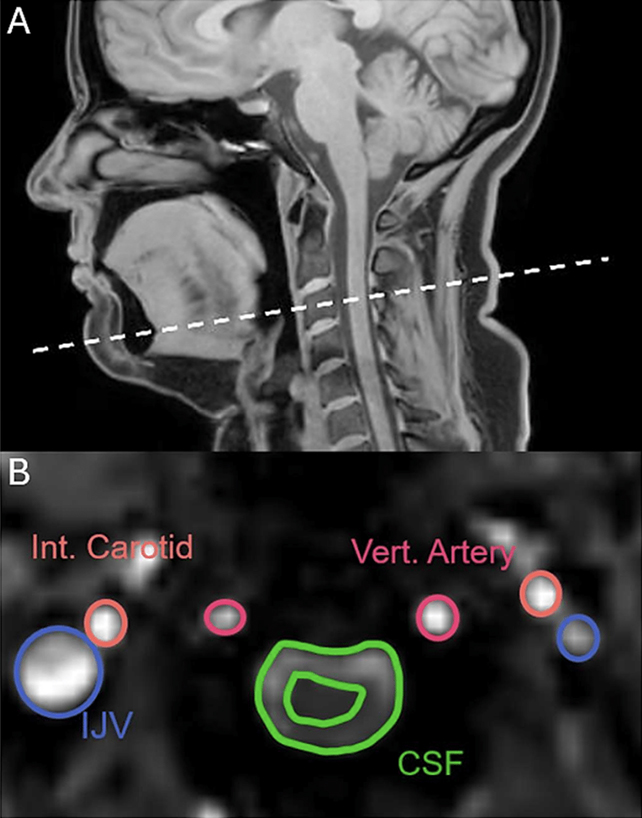
- The research team used MRI to scan the heads and necks of 22 healthy participants while they were told to yawn, take deep breaths, stifle yawns, and breathe normally.
- Young Reporter is a scheme that gives 14 to 18-year-old school students a chance to write for a real newspaper.
- This article was written by one of our Young Reporters, a scheme that gives 14 to 18-year-old school students a chance to write for a real newspaper.
- Each of the 22 participants, aged 18-72, was found to have distinct yawning motions.
What we know
Going deeper, the research team used MRI to scan the heads and necks of 22 healthy participants while they were told to yawn, take deep breaths, stifle yawns, and breathe normally.
On the substance, Young Reporter is a scheme that gives 14 to 18-year-old school students a chance to write for a real newspaper.
Beyond the headlines, this article was written by one of our Young Reporters, a scheme that gives 14 to 18-year-old school students a chance to write for a real newspaper.
More precisely, each of the 22 participants, aged 18-72, was found to have distinct yawning motions.
It is worth noting that According to researchers from the University of New South Wales in Australia, the findings could provide a crucial clue in understanding why humans (and many other species) evolved the capacity to yawn.
By the numbers
At this stage, We don't know how strong the link is related to how CSF is cleared, but in the last 10 years there have already been a lot of investigations into that area, and this can be another element.
On a related note, an earlier version of this article was published in February 2026, before the research was peer-reviewed.
The wider context
On a related note, Given that yawning and deep breathing share similar mechanisms, the researchers expected them to look similar on the scans.
Going deeper, Surprisingly, the images revealed a key difference: unlike deep breaths, yawns sent cerebrospinal fluid (CSF) away from the brain.
On the substance, the yawn was triggering a movement of the CSF in the opposite direction than during a deep breath," neuroscientist Adam Martinac told James Woodford at New Scientist.
Beyond the headlines, the analysis also revealed that both deep breaths and yawns increased the flow of blood leaving the brain, making more room for fresh blood to be pumped in.
More precisely, In addition, the participants all had unique yawning patterns that were closely followed each time they yawned.
The bottom line
- The research team used MRI to scan the heads and necks of 22 healthy participants while they were told to yawn, take deep breaths, stifle yawns, and breathe normally.
- This article was written by one of our Young Reporters, a scheme that gives 14 to 18-year-old school students a chance to write for a real newspaper.
- Each of the 22 participants, aged 18-72, was found to have distinct yawning motions.
- Searches spiking right now: Yawning Does Something Unexpected in Your Brain, MRI Scans Reveal, A good yawn might do more than you think, say researchers, A Yawning Viper Shows off Fangs Longer Than Any on Earth, Why Do We Yawn? A Biologist Explains (Hint: Most People Get It Wrong).






Flower Moon Full Moon: the story explained

Pwhl: the matchup, the stakes, the verdict