Yawning Sends Cerebrospinal Fluid Away from Brain, MRI Study Finds
Researchers at the University of New South Wales discovered that yawns reverse the flow of protective brain fluid, a finding that may help explain why humans evolved to yawn.

CANADA —
Key facts
- 22 healthy participants aged 18-72 underwent MRI scans while yawning, stifling yawns, deep breathing, and breathing normally.
- Yawns triggered cerebrospinal fluid (CSF) to move away from the brain, opposite to the direction seen during deep breaths.
- Both yawns and deep breaths increased blood flow leaving the brain, allowing fresh blood to enter.
- Each participant had a unique yawning pattern that remained consistent across multiple yawns.
- The study was led by neuroscientist Adam Martinac at the University of New South Wales, Australia.
- An earlier version of the research was published in February 2026 before peer review.
Unexpected Brain Fluid Reversal
A recent study using MRI scans of 22 healthy participants has revealed that yawning sends cerebrospinal fluid (CSF) away from the brain, a movement opposite to that observed during deep breathing. The finding, which emerged this Friday as a major science story in Canada, challenges assumptions about the similarity between yawning and deep breaths. Neuroscientist Adam Martinac, who led the research at the University of New South Wales, told New Scientist that the yawn was triggering a movement of the CSF in the opposite direction than during a deep breath. The team had expected the two actions to appear similar on scans because they share underlying mechanisms.
Study Design and Participant Patterns
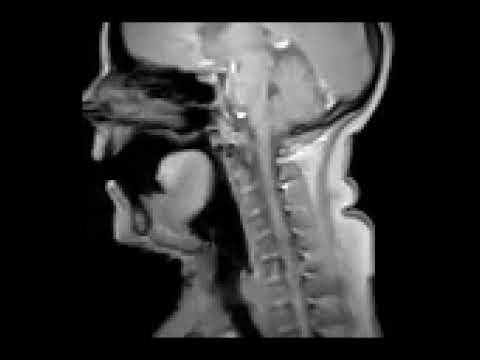
The research team used MRI to scan the heads and necks of 22 healthy participants aged 18 to 72 while they performed four actions: yawning, stifling yawns, taking deep breaths, and breathing normally. Each participant was found to have distinct yawning motions that were closely followed each time they yawned. The analysis also revealed that both deep breaths and yawns increased the flow of blood leaving the brain, making more room for fresh blood to be pumped in. This dual effect on blood and CSF suggests a complex interplay that may be key to understanding the function of yawning.
Implications for Understanding Yawning Evolution
According to the researchers, the findings could provide a crucial clue in understanding why humans and many other species evolved the capacity to yawn. The role of CSF clearance has been a subject of intense investigation over the past decade, and this study adds a new element to that body of work. Martinac cautioned that it is not yet clear how strong the link is between yawning and CSF clearance. The study, an earlier version of which was published in February 2026 before peer review, opens up questions about the physiological significance of the fluid reversal.
Open Questions and Next Steps
The research leaves several unanswered questions, chief among them what the impact of this CSF shift might be. While the study demonstrates a clear directional difference between yawns and deep breaths, the functional consequences remain speculative. Future investigations will need to explore whether the unique yawning patterns observed in each participant correlate with individual differences in brain health or aging. The team also aims to determine how the CSF movement interacts with the glymphatic system, which is responsible for clearing waste from the brain.
A Window into Brain Physiology
The discovery that yawning reverses CSF flow adds a new dimension to the understanding of a common, everyday behavior. Yawning has long been associated with arousal and social communication, but its physiological underpinnings have remained elusive. By demonstrating that yawns produce a distinct pattern of fluid movement, the study provides a concrete biological marker that could be used in future research. The consistency of each participant's unique yawning pattern suggests that the motion is individually programmed, much like a fingerprint.
The bottom line
- Yawning causes cerebrospinal fluid to flow away from the brain, opposite to the effect of deep breathing.
- The study involved 22 participants aged 18-72, each with a unique and consistent yawning pattern.
- Both yawning and deep breathing increase blood outflow from the brain, but only yawning reverses CSF direction.
- The findings may help explain why humans and other species evolved to yawn, though the functional impact is unknown.
- An earlier version of the research was released in February 2026 before peer review.




Ime Udoka's Challenge Reversal Keeps Rockets Alive, Forces Game 6 Against Lakers

Flower Moon Rises Friday, Setting Stage for Rare Blue Moon on May 31

Moon Nears Fullness as Waxing Gibbous Phase Lights 98% of Surface
