US sanctions Joseph Kabila as DR Congo court sentences ex-president to death for treason
Washington freezes assets of former leader accused of backing M23 rebels, while a military tribunal in Kinshasa hands down a death sentence in absentia.
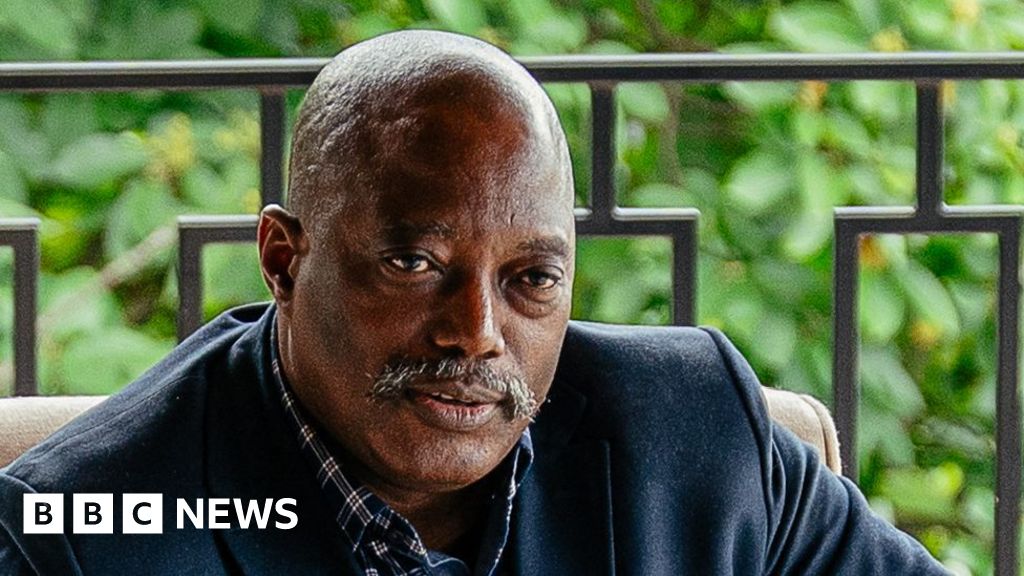
ETHIOPIA —
Key facts
- Joseph Kabila, president of DR Congo from 2001 to 2019, was sentenced to death in absentia by a high military court on charges of treason, war crimes, and insurrection.
- The US Treasury imposed sanctions on Kabila on March 2, 2026, freezing his US assets and barring American citizens and companies from doing business with him.
- The US alleges Kabila provided financial support to the M23 rebel group and the Congo River Alliance (AFC), encouraged defections from the Congolese army, and sought to launch attacks on the military from outside the country.
- The M23, backed by Rwanda according to the US and UN, captured Goma and Bukavu in early 2025, causing over 3,000 deaths and displacing nearly a million people.
- The court ordered Kabila to pay $29 billion in damages to the DR Congo government and $2 billion each to North Kivu and South Kivu provinces.
- The sanctions support the US-brokered Washington Accords for Peace and Prosperity signed by DR Congo and Rwanda on December 4, 2025.
A former president convicted of war crimes
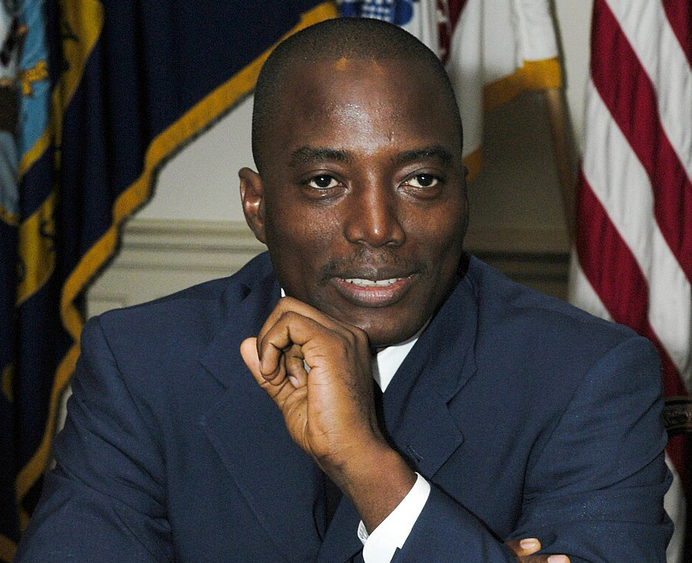
A military tribunal in Kinshasa has sentenced former President Joseph Kabila to death on charges of treason, war crimes, and insurrection, finding him guilty of collaborating with the Rwanda-backed M23 rebel group. The verdict, delivered in absentia, marks an extraordinary escalation in the political battle between Kabila and his successor, President Félix Tshisekedi. Lieutenant General Joseph Mutombo Katalayi, presiding over the court, declared Kabila guilty by a majority vote of “war crime by intentional murder, war crime by rape, war crime by torture, and war crime by attacks against protected property.” The court imposed the death penalty as the single most severe sentence, and ordered the former leader to pay $29 billion in damages to the state and $2 billion each to the war-ravaged provinces of North Kivu and South Kivu.
Washington targets Kabila with sweeping sanctions
On the same day, the US Department of the Treasury’s Office of Foreign Assets Control imposed sanctions on Kabila for his role in supporting the M23 and the Congo River Alliance (AFC), a political-military coalition seeking to overthrow the Tshisekedi government. The US action freezes all of Kabila’s assets in the United States and prohibits American citizens and companies from any dealings with him. Banks and foreign partners have been warned against indirect transactions, with violations carrying heavy civil or criminal penalties. Secretary of the Treasury Scott Bessent said the sanctions were designed to uphold the Washington Accords, the US-brokered peace deal signed by DR Congo and Rwanda on December 4, 2025. “President Trump is paving the way for peace in the Democratic Republic of the Congo, and he has been clear that those who continue to sow instability will be held accountable,” Bessent stated.
Kabila’s alleged role in fuelling the M23 insurgency
According to the US Treasury, Kabila has provided financial support to the AFC, encouraged Armed Forces of the DR Congo (FARDC) troops to defect to the AFC, and sought to launch attacks on FARDC from outside the country, though that effort was unsuccessful. The US also alleges that Kabila has worked to position an opposition candidate to regain political influence in Kinshasa. Kabila, who led the country for 18 years from 2001, extended his second term unconstitutionally by delaying elections until 2019. In 2025, he traveled to Goma, where he has lived under the protection of M23, according to the US Treasury. The former leader has denied the accusations, calling the sanctions “profoundly unjustified, politically motivated and based on unsubstantiated accusations.” His office warned that the measures could be seen as “a blank cheque for the crushing of every voice raised against corruption, predation, and the confiscation of the state.”
A conflict that has killed thousands and displaced millions
Eastern DR Congo has been plagued by armed groups for decades, but the M23 launched a major offensive in January 2025, capturing large swaths of territory including the strategic cities of Goma and Bukavu. The fighting resulted in more than 3,000 deaths and the displacement of nearly a million people. The M23 is backed by Rwanda, according to the US and a UN panel of experts, though Kigali denies the allegations, claiming its military presence is defensive. The US had already sanctioned senior Rwandan army commanders in March 2026 for their role in supporting the M23. The group, designated as a terrorist organization by the US and UN, operates as the armed wing of the AFC, whose leader Corneille Nangaa was sanctioned by the US in 2019 for delaying elections and again in 2024.
Peace talks hang in the balance
The sentencing and sanctions come as the DR Congo government and M23 representatives engage in slow-moving peace negotiations mediated by Qatar since July. There are concerns that Kabila’s conviction could further hamper those talks and deepen the political divide in the country. The DR Congo government welcomed the US action, saying it “constitutes another important step in the fight against impunity, respect for sovereignty and accountability.” Prosecutor Richard Bondo, who represented North Kivu and South Kivu provinces during the trial, praised the court’s decision. “Justice rendered in the name of the Congolese people gives satisfaction to its people,” he told reporters. Kabila, however, has accused Tshisekedi of using the courts to settle political scores.
The stakes for regional stability and mineral wealth
The conflict in eastern DR Congo is fueled by competition for the region’s vast mineral resources, including coltan, cobalt, and gold, which are critical for global electronics and green energy supply chains. The Washington Accords aim to establish a Regional Economic Integration Framework to enhance transparency in critical minerals supply chains and attract investment. The US sanctions are designed not only to punish but to force behavioral change, signaling Washington’s willingness to target former leaders accused of fuelling conflict. The Treasury emphasized that the ultimate goal of sanctions is to bring about positive change, and that individuals can petition for removal from the sanctions list. For Kabila, the path back to legitimacy appears blocked on multiple fronts.
A fractured nation awaits the next move
Joseph Kabila now faces a death sentence from a Congolese court and global financial isolation imposed by the United States. His political future is uncertain, but his influence over the M23 insurgency remains a central question. The Tshisekedi government has gained a powerful legal and diplomatic victory, yet the underlying conflict in the east continues to claim lives and destabilize the region. The coming weeks will test whether the peace talks in Qatar can survive the shock of Kabila’s conviction and whether the US-led sanctions regime can force a change in behavior from a former president who has so far shown no sign of backing down. For the millions displaced and the families of the dead, the pursuit of justice and peace remains an elusive goal.
The bottom line
- Joseph Kabila was sentenced to death in absentia by a DR Congo military court for treason and war crimes linked to his support for the M23 rebel group.
- The US imposed sweeping sanctions on Kabila, freezing his assets and barring transactions with him, as part of efforts to enforce the Washington Accords peace deal.
- The M23 insurgency, backed by Rwanda, has caused over 3,000 deaths and displaced nearly a million people since its offensive in January 2025.
- Kabila is accused of financing the AFC, encouraging army defections, and attempting to launch attacks on the Congolese military from abroad.
- The peace negotiations mediated by Qatar face new uncertainty after Kabila’s conviction, which could deepen political divisions.
- The conflict is intertwined with competition for eastern DR Congo’s mineral wealth, which is critical for global supply chains.




Kenya repatriates 10 critically endangered mountain bongos from Czech zoo in bid to save species

Bodø/Glimt Host Newly Promoted Start in Eliteserien Clash Amidst Ethiopian Interest
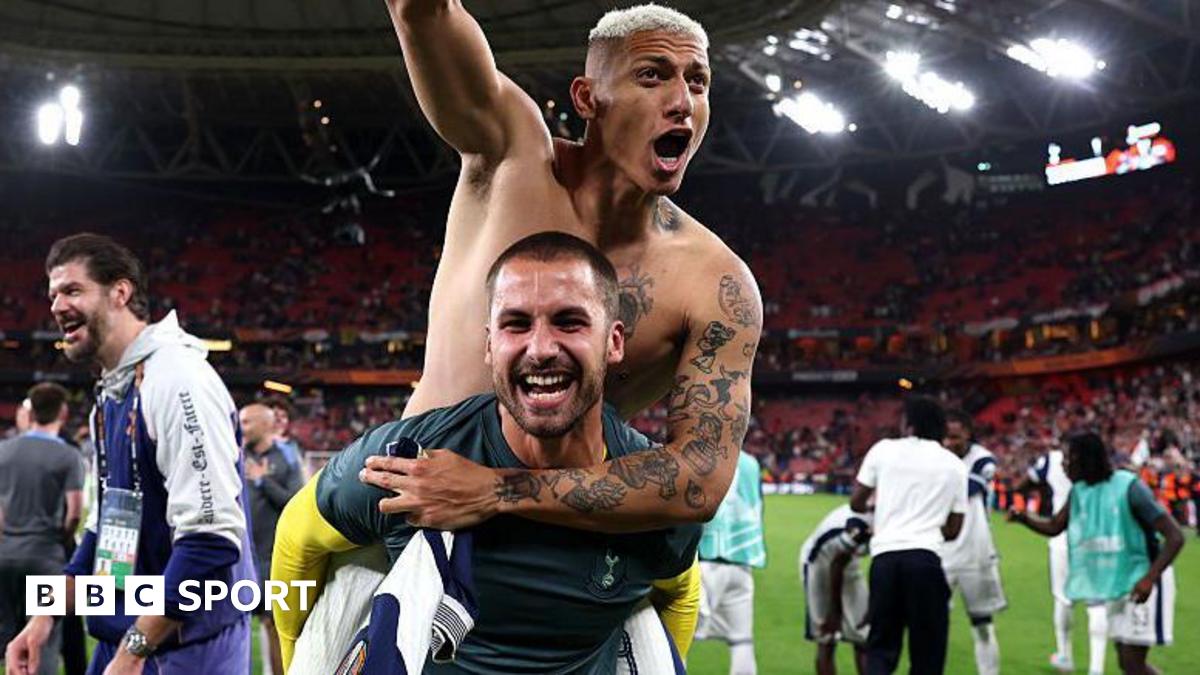
From Europa League Winner to Gallery: Alfie Whiteman Retires at 27 to Open Photography Exhibition