Anna Jarvis's Vision for Mother's Day Faces Commercialization Backlash
The holiday's founder fought against its transformation into a profit-driven event, advocating for deeper meaning and connection.

ETHIOPIA —
Key facts
- Anna Jarvis, born in West Virginia in 1864, founded the modern Mother's Day holiday.
- Her mother, Ann Maria Reeves Jarvis, organized "Mothers' Day Work Clubs" focused on public health.
- Ann Maria Jarvis also organized a "Mothers' Friendship Day" to foster community during the Civil War.
- The first official Mother's Day celebration was held in Grafton, West Virginia, in 1908.
- President Woodrow Wilson signed a proclamation making Mother's Day a national holiday.
- Anna Jarvis became deeply disappointed by the holiday's commercialization.
- She intended the day to honor mothers' sacrifices, not to benefit florists and greeting card companies.
A Founder's Disillusionment with a Celebrated Holiday
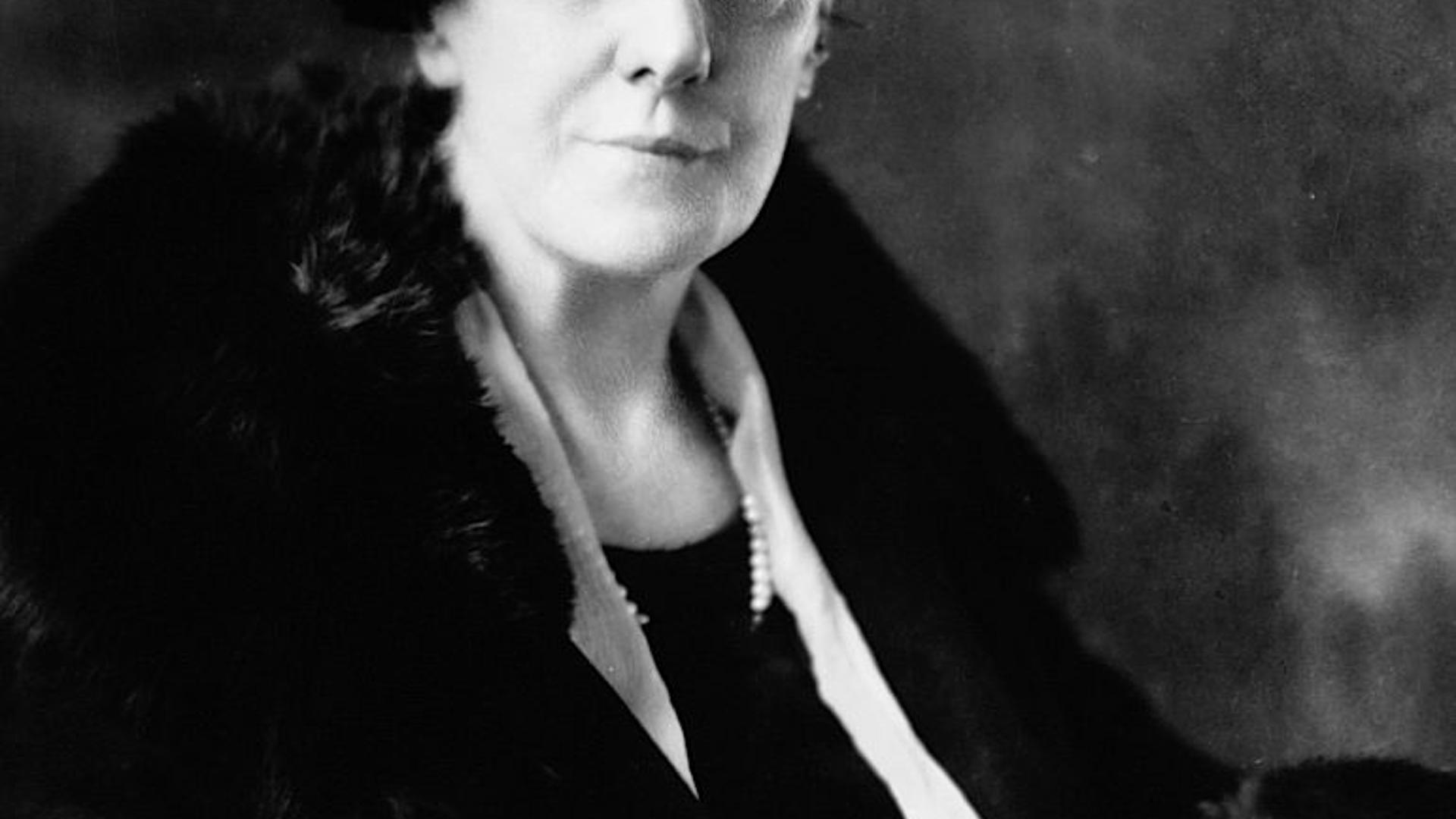
The modern Mother's Day, a fixture of spring calendars and commercial endeavors, was conceived with a profound purpose that its founder, Anna Jarvis, ultimately watched erode. Born in West Virginia in 1864, Jarvis dedicated herself to establishing a day that would commemorate the unparalleled contributions of mothers. However, her vision became increasingly overshadowed by what she perceived as a descent into rampant commercialism, a trajectory that deeply disappointed her. Jarvis's initial inspiration stemmed from her own mother, Ann Maria Reeves Jarvis, a woman whose life's work extended far beyond the domestic sphere. Ann Maria, who lost many of her approximately dozen children to diseases prevalent in the Appalachian region, channeled her grief and determination into community action. She organized "Mothers' Day Work Clubs," initiatives aimed at improving public health through fundraising for medicine, ensuring food safety, and educating neighbors on hygiene. These efforts underscored a shared understanding between mother and daughter: that family life is inextricably linked to broader societal forces. Ann Maria's work during the Civil War, where she urged her groups to care for soldiers from both sides, and her subsequent organization of a "Mothers' Friendship Day" in 1868, further exemplified a commitment to community and reconciliation. These actions laid the groundwork for Anna's later advocacy, echoing her mother's hope for a memorial day recognizing "the matchless service she renders to humanity in every field of life."
From Public Health to National Recognition
Ann Maria Reeves Jarvis's legacy was one of proactive community engagement, particularly in public health and social cohesion. Facing high infant mortality rates in her Appalachian community, she mobilized women to address critical needs, demonstrating a powerful collective agency. Her "Mothers' Day Work Clubs" were not merely social gatherings but organized efforts to combat disease and improve living conditions. By inspecting milk and food, and disseminating knowledge on hygiene, Ann Maria and her collaborators directly impacted the well-being of families in their area. This practical, hands-on approach to caregiving and public service was a defining characteristic of her life. When the Civil War erupted, Ann Maria demonstrated remarkable foresight and compassion by redirecting the focus of her women's groups toward tending to wounded soldiers, irrespective of their allegiance. This act of humanitarianism during a period of intense division aimed to foster a sense of shared humanity and community resilience, culminating in the "Mothers' Friendship Day" event designed to bridge divides.
The Genesis of a National Holiday
Anna Jarvis, inspired by her mother's profound commitment to service and her dying wish for a memorial to mothers' contributions, embarked on a campaign to formalize these sentiments. She envisioned a day that would serve as a lasting tribute to the sacrifices and impact of mothers across all walks of life. Her efforts gained momentum, leading to the first official Mother's Day celebration in her hometown of Grafton, West Virginia, in 1908. This event marked the beginning of a nationwide movement, as Jarvis actively lobbied state governors to recognize the holiday. By the time President Woodrow Wilson officially proclaimed Mother's Day a national holiday, a significant number of states had already embraced the observance, attesting to the widespread resonance of Jarvis's initiative. The holiday's establishment was a testament to her persistent advocacy and the deeply felt need to honor maternal roles.
The Commercialization That Undermined the Vision
As Mother's Day gained popularity, Anna Jarvis grew increasingly dismayed by its commercial transformation. She observed with alarm how the holiday, intended to honor mothers' intrinsic value and sacrifices, was being exploited by commercial interests. Florists and greeting card companies, in particular, became primary beneficiaries of the burgeoning holiday. Jarvis felt that these businesses were capitalizing on the sentiment of the day, turning a tribute into a marketplace that profited from familial affection rather than celebrating the spirit of motherhood itself. This commercialization stood in stark contrast to her original intent. She had envisioned a day for personal reflection, heartfelt gestures, and genuine connection, not a transaction driven by the sale of goods. Her disappointment stemmed from the dilution of the holiday's meaning, which she believed had devolved into a superficial observance.
Reclaiming the Holiday's True Spirit
In response to the holiday's commercial drift, Jarvis advocated for a return to its foundational principles. She urged individuals to move beyond superficial gestures and engage in more meaningful acts of recognition. Her suggestion for celebrating Mother's Day in a way that honors its origins involves deepening connections with mothers through thoughtful engagement. Instead of conventional questions, she proposed posing inquiries that encourage reflection on personal histories and perspectives, fostering a richer dialogue. By setting aside time for such conversations, one can offer a gift that truly honors a mother's legacy and acknowledges the profound contributions of Ann and Anna Jarvis. This approach emphasizes curiosity, shared experience, and a genuine appreciation for the multifaceted lives of mothers, aligning with the founders' original intent.
Beyond Material Gifts: The Enduring Legacy
The narrative of Mother's Day is thus a complex one, marked by the profound vision of its founders and the unintended consequences of its widespread adoption. Anna Jarvis's initial efforts to create a day of remembrance and appreciation for mothers' tireless work and sacrifices have been significantly altered by commercial pressures. While the holiday today is often associated with gifts, cards, and flowers, its historical roots lie in public health initiatives, community building, and a deep respect for women's societal roles. The efforts of Ann Maria Reeves Jarvis in organizing health programs and fostering community during times of crisis, and Anna Jarvis's subsequent campaign for national recognition, highlight a commitment to recognizing women's contributions beyond the home. Ultimately, the story of Mother's Day serves as a reminder of the ongoing tension between commercial interests and the preservation of meaningful traditions. Jarvis's disillusionment underscores the challenge of maintaining the integrity of a holiday designed to honor profound human connections in the face of relentless market forces.
The bottom line
- Mother's Day was founded by Anna Jarvis, inspired by her mother Ann Maria Reeves Jarvis's community and public health work.
- Ann Maria Jarvis organized "Mothers' Day Work Clubs" and a "Mothers' Friendship Day" during the Civil War.
- The first official celebration occurred in Grafton, West Virginia, in 1908, leading to national recognition by President Woodrow Wilson.
- Anna Jarvis later expressed severe disappointment, believing the holiday had become overly commercialized and detached from its original purpose.
- She intended the day to honor mothers' sacrifices and service, not to primarily benefit businesses like florists and card companies.
- Honoring the holiday's true history involves deeper personal connection and reflection rather than purely commercial gestures.


Al Nassr Eyes Saudi Pro League Lead Amidst Squad Doubts

Michael Olise's Goal Seals Bayern Victory Over Wolfsburg in Bundesliga Wrap-up

Brentford Close to Securing Jannik Schuster Deal from Salzburg
