UAE and Qatar Deepen Ties with Focus on Tech, Food Security
Seventh Joint Higher Committee meeting in Abu Dhabi yields agreements on investment, AI, and agricultural cooperation.

ETHIOPIA —
Key facts
- UAE and Qatar held their seventh Joint Higher Committee meeting in Abu Dhabi.
- Non-oil bilateral trade between the UAE and Qatar reached $13 billion in 2025.
- Agreements were signed on investment promotion, agriculture, food security, and municipal cooperation.
- Discussions included artificial intelligence, digital transformation, and cybersecurity.
- The UAE will host the 2026 UN Water Conference, with Qatar invited to participate.
- The next Joint Higher Committee session will be held in Qatar.
Strategic Partnership Forged in Abu Dhabi
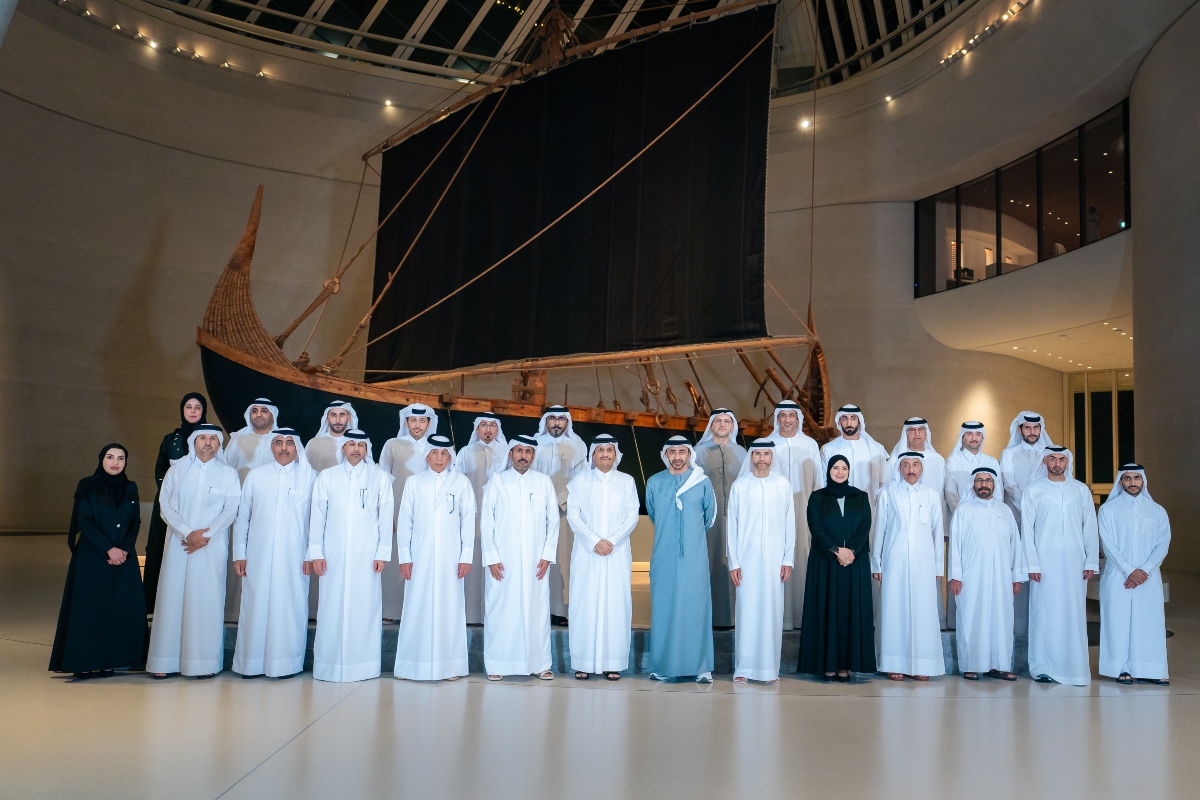
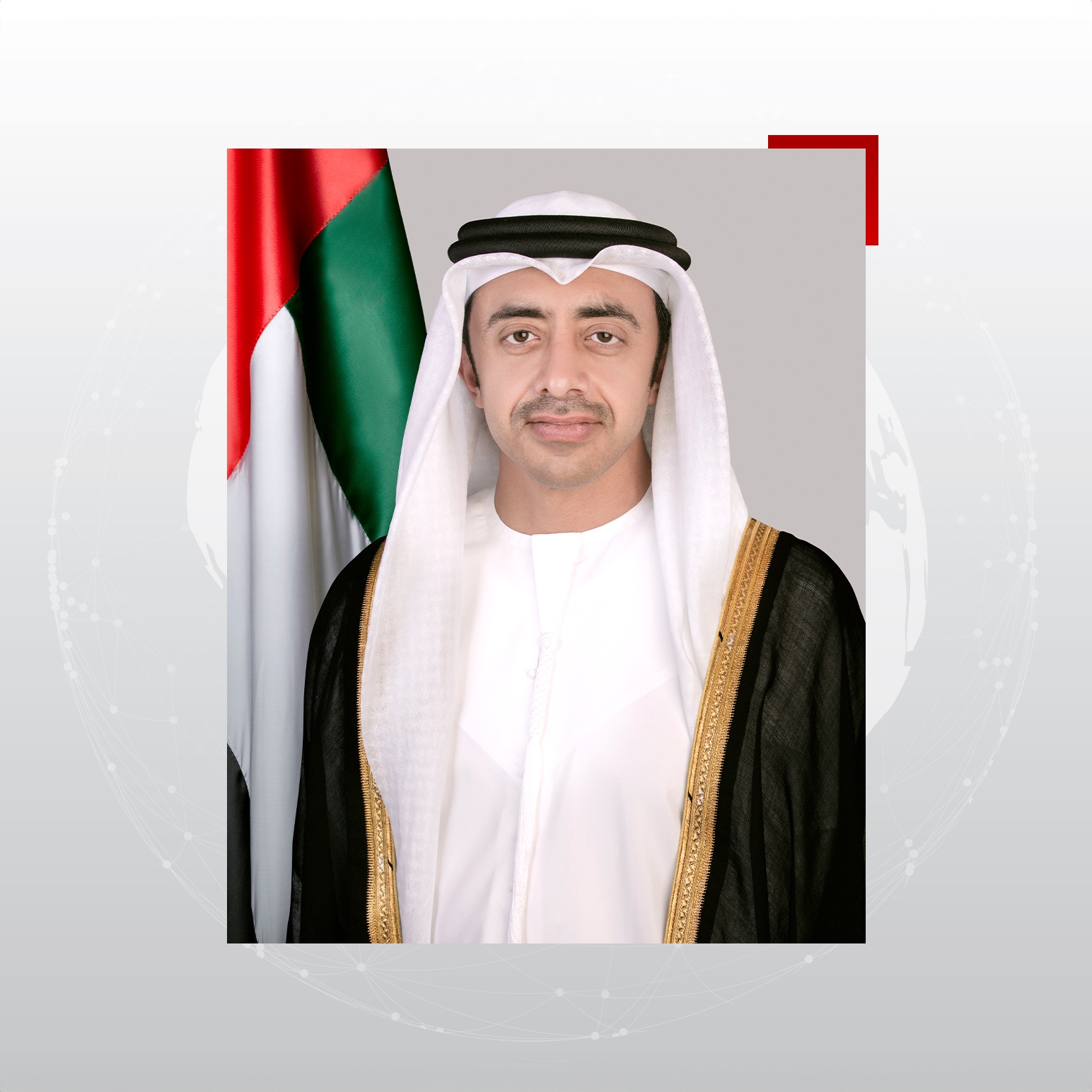
The United Arab Emirates and Qatar have concluded the seventh session of their Joint Higher Committee for Cooperation in Abu Dhabi, a meeting that underscored a shared commitment to deepening strategic partnership and integration. This high-level gathering, chaired by Sheikh Abdullah bin Zayed Al Nahyan for the UAE and Sheikh Mohammed bin Abdulrahman bin Jassim Al Thani for Qatar, signals a move towards a more advanced stage in bilateral relations. Both delegations affirmed that the relationship is evolving beyond traditional cooperation to encompass a more integrated approach across a spectrum of sectors. The emphasis is on mutual interests and bolstering regional stability through robust collaboration. The outcomes of the meeting are expected to translate into tangible progress, building on previous sessions that have aimed to enhance relations and explore new avenues for joint ventures.
Economic Ties and Investment Agreements
Economic cooperation formed a significant pillar of the discussions, with both nations agreeing to prioritize the development of their business environments. A key objective is to stimulate mutual investments and foster public-private partnerships. Progress has been noted in the finalization of financial agreements designed to avoid double taxation, alongside efforts to enhance collaboration between investment entities in both countries. These measures are intended to create a more conducive atmosphere for cross-border capital flow and business expansion. Notably, non-oil bilateral trade between the UAE and Qatar reached an impressive $13 billion in 2025, a figure that highlights the existing strength and promising future of their economic relationship. The UAE expressed its aspiration to further expand these partnership horizons into sectors of mutual interest.
Embracing the New Economy: AI and Digital Futures
The seventh session also cast a forward-looking gaze towards the sectors defining the new economy. Discussions prominently featured artificial intelligence, digital transformation, and cybersecurity, areas identified as critical for future growth and competitiveness. There was a strong emphasis on exchanging expertise in digital infrastructure and government services. This knowledge transfer is seen as vital for building a robust, knowledge-based economy driven by innovation. These advancements in digital and technological cooperation are expected to contribute significantly to the modernization of public services and the enhancement of national capabilities in these rapidly evolving fields.
Food Security and Agricultural Cooperation
Food security emerged as another critical area of focus, with the signing of memoranda of understanding in agriculture and food security. These agreements are designed to support the development of resilient supply chains and bolster food security within both nations. This collaboration comes at a time when the Arab region faces significant food security challenges, as highlighted by Qatar's participation in the 4th Arab Region Food Systems Transformation Meeting in Cairo. The UN Food Systems Coordination is involved in these broader efforts to accelerate the achievement of Sustainable Development Goals. The new MoUs aim to foster practical cooperation, potentially involving joint ventures, technology sharing, and coordinated policy approaches to agricultural development and food production.
Regional Stability and Global Water Challenges
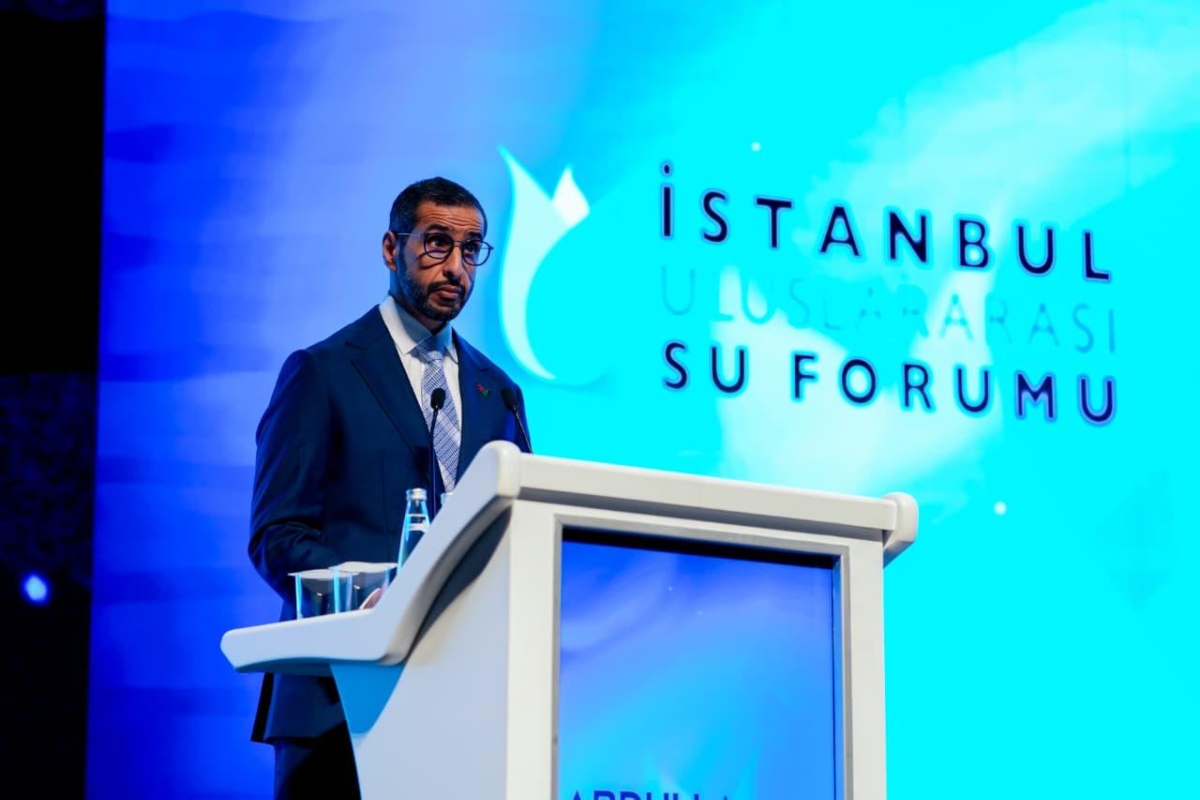
Beyond bilateral matters, the leaders addressed regional dynamics. Sheikh Abdullah bin Zayed Al Nahyan spoke of the exceptional circumstances facing the region, referencing Iran's actions as a threat to maritime security, food supplies, and the global economy. He stressed that strengthening UAE-Qatar coordination is an imperative necessity in light of these developments. In a broader international context, the UAE is preparing to host the 2026 UN Water Conference in partnership with Senegal. This significant event aims to enhance global cooperation in addressing water challenges. Qatar's participation in this conference has been welcomed, underscoring a shared commitment to tackling global issues. The discussions also touched upon the sensitive regional landscape, with both sides acknowledging the need for continued dialogue and cooperation amidst current challenges.
Commitment to Implementation and Future Sessions
The conclusion of the seventh session saw both the UAE and Qatar reaffirm their dedication to implementing the agreed-upon outcomes. This commitment will be pursued through appropriate channels, with a view to expanding cooperation across a wide array of sectors, including health, education, culture, and media. The two nations have agreed to hold the next session of the Joint Higher Committee in Qatar. This reciprocal arrangement is intended to further advance bilateral relations towards a more integrated and comprehensive level. The meeting itself was praised for its constructive nature, with efforts of the preparatory committees acknowledged for developing a roadmap that ensures the success of future endeavors and the continued strengthening of fraternal ties.
The bottom line
- The UAE and Qatar have elevated their relationship through the seventh Joint Higher Committee meeting, focusing on strategic integration.
- Economic ties are robust, evidenced by $13 billion in non-oil trade in 2025 and new investment protection agreements.
- Future-oriented sectors like AI, digital transformation, and cybersecurity are key areas for collaboration.
- Cooperation in agriculture and food security aims to strengthen supply chains and regional resilience.
- Both nations are committed to addressing regional security concerns and global challenges like water scarcity.
- The next high-level meeting will take place in Qatar, signaling continued momentum in bilateral relations.



Sporting Lisbon Crush Vitória Guimarães 5-1 to Revive Champions League Hopes

FINRA Probes Morgan Stanley's Budapest Analyst Program Over Licensing and Data Handling
Sudan Accuses Ethiopia and UAE of Orchestrating Drone Strikes on Khartoum Airport