Sudan Accuses Ethiopia and UAE of Drone Attacks, Recalls Envoy
Khartoum alleges strikes originated from Bahir Dar airport, escalating regional tensions amid internal conflicts.

ETHIOPIA —
Key facts
- Sudan recalled its ambassador to Ethiopia following drone attacks.
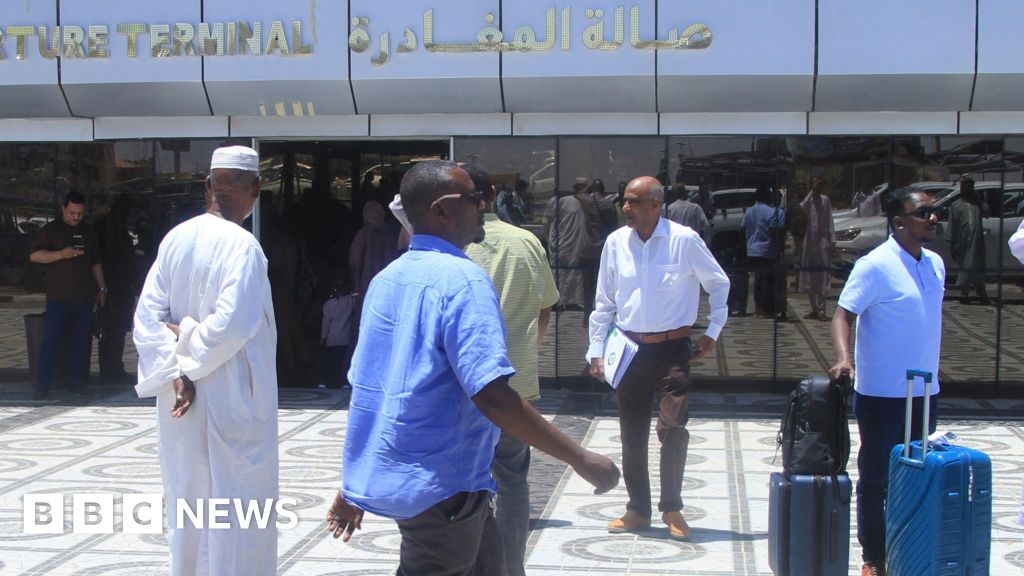
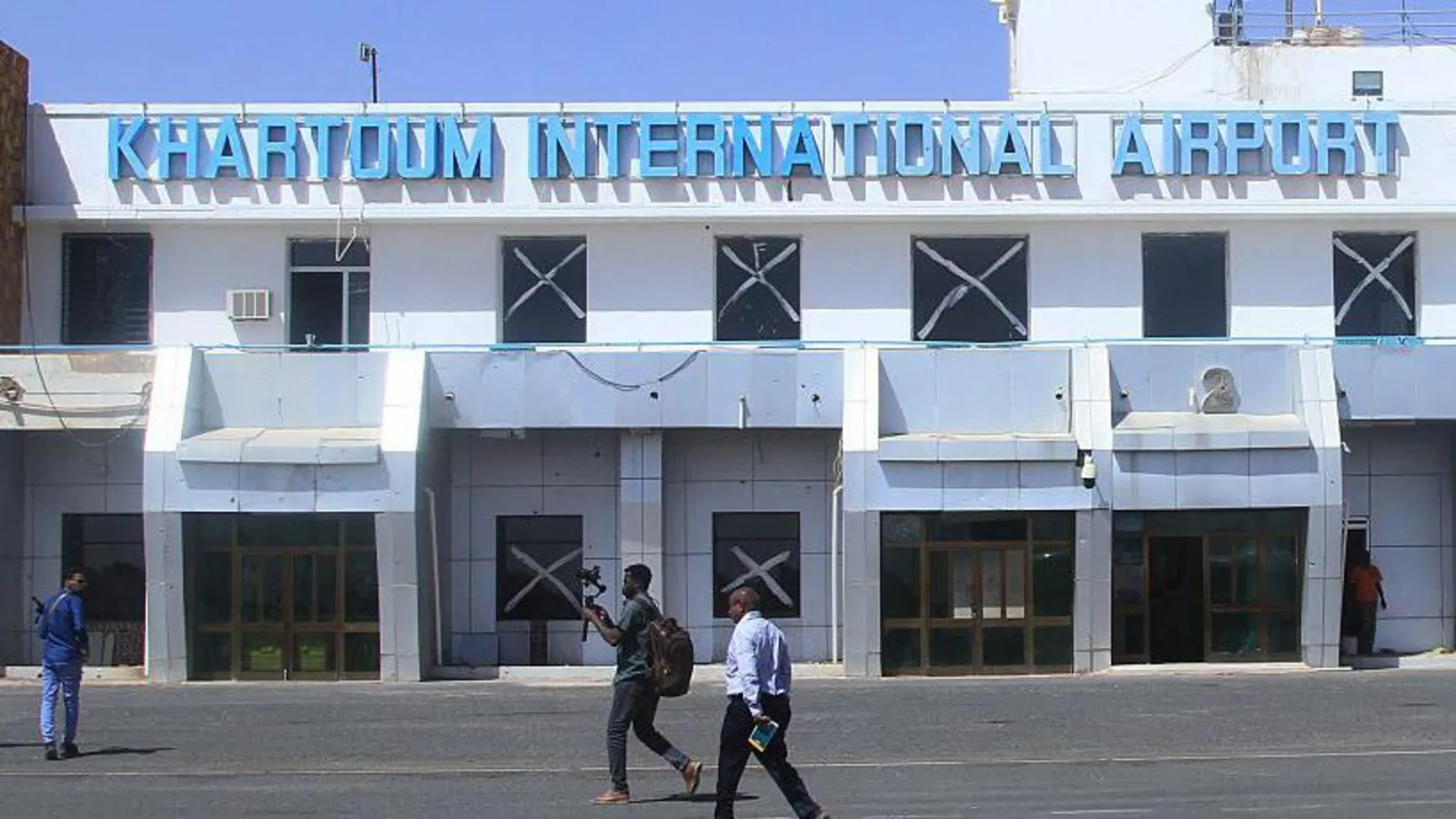
- Khartoum International Airport was targeted in a drone strike on Monday.
- Sudan claims drones originated from Bahir Dar airport in Ethiopia.
- The UAE is accused of providing the drones used in the attacks.
- Ethiopia denies the accusations, calling them 'baseless'.
- The UAE stated the accusations undermine conflict resolution efforts.
- Drone attacks have occurred since Sudan's civil war began on April 15, 2023.
Khartoum Alleges Direct Aggression Amidst Renewed Strikes
Sudan has accused Ethiopia and the United Arab Emirates of orchestrating recent drone attacks, including a strike on Khartoum International Airport, labelling the actions as "direct aggression." The Sudanese government has recalled its ambassador from Addis Ababa in response to the escalating aerial assaults. Military spokesperson Brigadier General Asim Awad Abdelwahab stated on Tuesday that Sudan possesses evidence of four drone attacks since March 1, all originating from Ethiopia's Bahir Dar airport, with the UAE allegedly supplying the weaponry. "What Ethiopia and the UAE have done is direct aggression against Sudan and won’t be met with silence," Abdelwahab declared. Foreign Minister Mohieddin Salem echoed this sentiment, asserting that while Khartoum would not initiate hostilities, "whoever attacks us will be met with a response," and Sudan was prepared for "open confrontation" with Ethiopia if necessary. These pronouncements follow a Monday strike on the capital's airport, adding to previous attacks targeting the Sudanese states of Kordofan, Blue Nile, and White Nile. The frequency of such incidents has risen since Sudan plunged into civil war on April 15, 2023, a conflict stemming from a power struggle between the Rapid Support Forces (RSF) paramilitary group and the Sudanese Armed Forces (SAF). While Khartoum had recently begun to feel a sense of calm, the attacks have shattered this fragile peace.
Ethiopia Denies Role, Blames Sudan for Supporting 'Mercenaries'
Ethiopia's Ministry of Foreign Affairs swiftly rejected Khartoum's allegations on Tuesday, labelling them "baseless accusations." In a statement posted on X, Addis Ababa instead accused Sudan's army of supporting "mercenaries" from the Tigray People’s Liberation Front (TPLF), whose armed wing engaged in a civil war with Ethiopia's federal government from 2020 to 2022. "Sudan is serving as a hub for various anti-Ethiopian forces," the ministry stated. It further claimed that the Sudanese armed forces have provided arms and financial support to these groups, facilitating incursions along Ethiopia's western border. The Ethiopian Foreign Ministry suggested these hostile actions and repeated allegations by Sudanese officials were orchestrated by "external patrons seeking to advance their own nefarious agenda." This exchange highlights a deepening rift, with both nations facing significant internal challenges and levelling accusations of supporting each other's armed opposition. The situation risks exacerbating their existing domestic difficulties.
UAE Dismisses Claims as 'Fabrications' Undermining Peace
The United Arab Emirates has also vehemently denied Sudan's accusations. A UAE official described the claims as "fabrications" by Sudanese authorities, part of a "calculated pattern of deflection – shifting blame to others to evade responsibility for their own actions." The UAE stated that such "unfounded accusations and deliberate propaganda" serve to undermine efforts aimed at resolving the ongoing conflict. Previously, the UAE has forcefully rejected assertions that it provides military support to the RSF. Sudanese military officials, however, maintain they have "conclusive evidence" that drones used in Monday's attack were launched from Bahir Dar airport. They also allege that a drone identified as Emirati property was tracked entering Sudanese airspace from Ethiopia and subsequently shot down in March. The UAE's response underscores a broader pattern of denial and counter-accusation, adding another layer of complexity to the regional dynamics.
Airport Strike Shatters Fragile Calm
The drone strike on Monday targeted Khartoum International Airport, a symbol of renewed stability after years of conflict. The airport had received its first international commercial flight in three years just the previous week, signalling a potential return to normalcy. However, the attack, along with strikes on military installations in the Greater Khartoum area, shattered this sense of calm. Authorities were compelled to announce a 72-hour suspension of operations at the airport following the incident. in the attack, the disruption highlights the precarious security situation in the capital and central Sudan. These attacks have occurred against the backdrop of Sudan's ongoing civil war, which began on April 15, 2023. The conflict has displaced millions and created a severe humanitarian crisis, making any semblance of peace particularly fragile.
Long-Standing Tensions and Regional Dynamics
The current accusations are situated within a long history of friction between Sudan and Ethiopia. The two nations have frequently been embroiled in armed conflict over disputed farmland in the al-Fashaga region along their shared border. More recently, Ethiopia's construction of the Grand Ethiopian Renaissance Dam (GERD) on the Blue Nile, Africa's largest hydroelectric project, has been a significant source of tension with Sudan and Egypt, both of which are heavily reliant on Nile water resources. Alan Boswell, Horn of Africa director at the International Crisis Group, observed that Sudan and Ethiopia are becoming increasingly vocal in their reciprocal accusations. He warned that this trend "creates a very dangerous dynamic between the two countries and risks making their own internal challenges much worse." Both countries are grappling with profound internal challenges. Ethiopia continues to navigate the aftermath of the Tigray war and internal ethnic tensions, while Sudan is mired in a devastating civil war. These internal fragilities appear to be spilling over into their foreign relations, fueling a cycle of blame and mistrust.
The bottom line
- Sudan has formally accused Ethiopia and the UAE of conducting drone attacks, including one on Khartoum International Airport.
- The Sudanese government has recalled its ambassador from Ethiopia and threatened retaliation.
- Ethiopia denies involvement, accusing Sudan of supporting anti-Ethiopian 'mercenaries'.
- The UAE has dismissed the accusations as 'fabrications' intended to deflect responsibility.
- The attacks occurred shortly after the resumption of international flights at Khartoum airport, shattering a period of relative calm.
- The diplomatic escalation adds to existing regional tensions, including disputes over border territory and water resources.




Sporting Lisbon Crush Vitória Guimarães 5-1 to Revive Champions League Hopes

FINRA Probes Morgan Stanley's Budapest Analyst Program Over Licensing and Data Handling
Sudan Accuses Ethiopia and UAE of Orchestrating Drone Strikes on Khartoum Airport