Facial Recognition Tech Challenges Anne Boleyn's Portrayed Likeness
A University of Bradford team uses algorithm to identify a possible sketch of the Tudor queen, reigniting debate among art historians over her true appearance.
UNITED KINGDOM —
Key facts
- Anne Boleyn was Henry VIII's second wife, reigning as queen from 1533 to 1536.
- She was executed on charges of adultery, incest, and treason in 1536.
- No confirmed lifetime portraits of Anne Boleyn exist; all painted portraits were created posthumously.
- The University of Bradford team applied facial recognition technology to a collection of Tudor portraits.
- The team claims to have uncovered a previously unknown sketch of Boleyn using the algorithm.
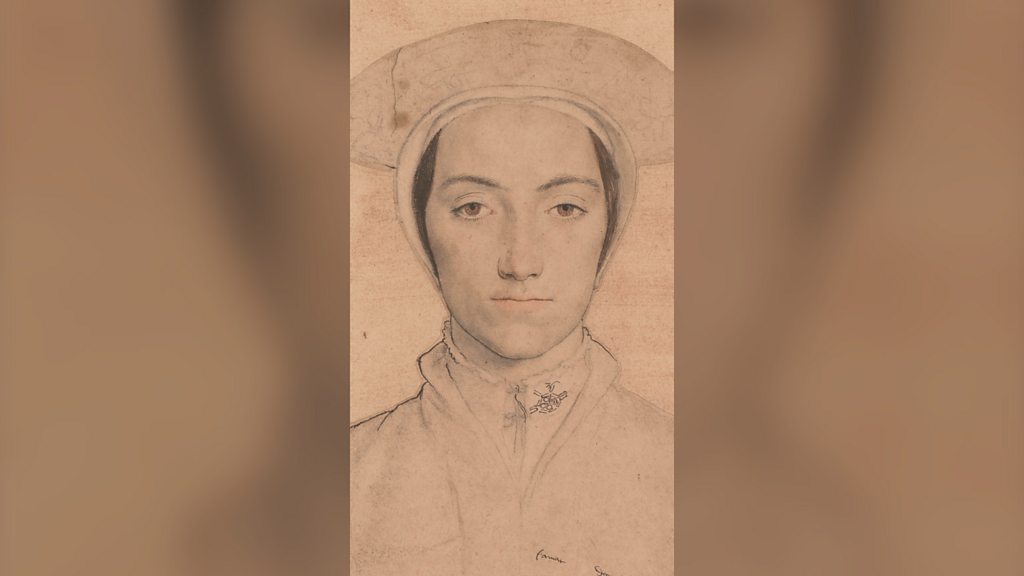
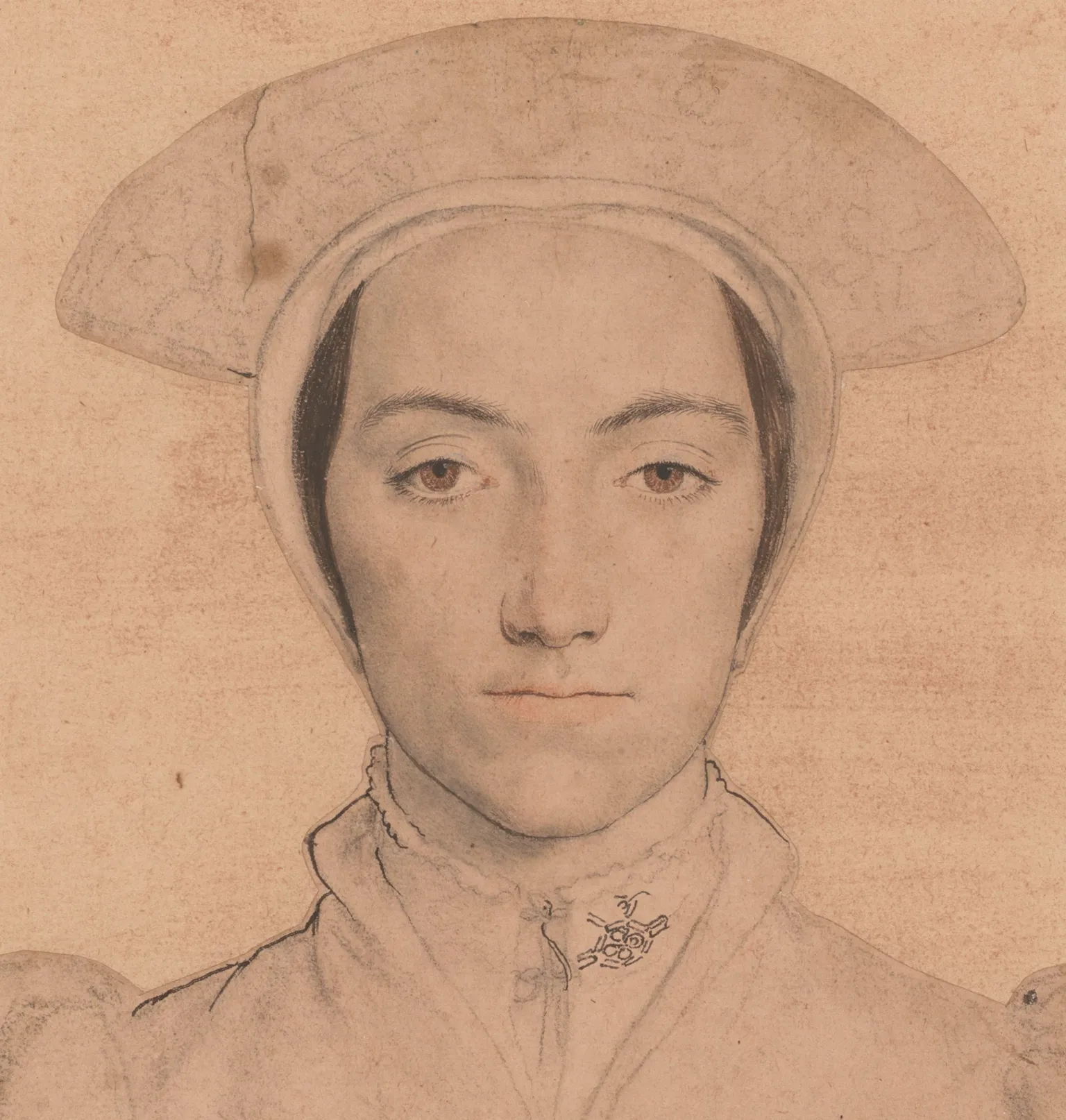
- The Holbein collection, held by the Royal Collection Trust, includes a preparatory sketch bearing Anne Boleyn's name.
- Art historian Dr Bendor Grosvenor accepts the Holbein sketch as a contemporary likeness, but some scholars dispute the label.
A Digital Lens on a Tudor Mystery
A computer science team at the University of Bradford has deployed facial recognition software on a corpus of Tudor portraits, claiming to have identified a previously unknown sketch of Anne Boleyn. The finding, described by the researchers as "exciting," injects new uncertainty into a centuries-old debate over the true appearance of Henry VIII's second wife. The algorithm's suggestion challenges the accepted likenesses that have long shaped public perception of the queen. If validated, the discovery could rewrite the visual history of one of England's most controversial monarchs.
The Algorithm's Verdict
The research team applied facial recognition technology to a renowned collection of Tudor portraits, including works by Hans Holbein the Younger. The software identified a sketch, previously unattributed to Boleyn, as a likely match based on facial features common across known portraits. The team has not disclosed the full methodology or the specific sketch in question, pending further analysis. However, they suggest that the same technique could be applied to other unresolved questions in art history, offering a new tool for authentication.
Art Historians Divided
The claim has met with skepticism from some art historians, who caution against over-reliance on algorithmic analysis for historical attribution. Dr Bendor Grosvenor, a prominent Tudor art expert, accepts the Holbein sketch bearing Boleyn's name as a contemporary likeness, but acknowledges that the label may have been misapplied. Other scholars argue that written evidence supports the presence of Anne Boleyn's portrait within the Holbein collection, but they remain divided on which specific drawing is authentic. The debate underscores the challenges of verifying likenesses from an era before photography.
The Enduring Mystery of Anne Boleyn's Face
Anne Boleyn captivated Henry VIII, bore the future Queen Elizabeth I, and was executed in 1536 on charges of adultery, incest, and treason. Despite her historical significance, no confirmed lifetime portrait exists; all painted images were created after her death, often based on descriptions or later imagination. This gap has fueled endless speculation and a thriving market for purported Boleyn portraits. The new algorithmic finding adds a fresh layer to the mystery, but it also raises questions about the reliability of digital tools in historical research.
What Comes Next for the Controversial Sketch
The University of Bradford team plans to publish their findings in a peer-reviewed journal, where the methodology will face scrutiny from both computer scientists and art historians. The sketch itself will likely undergo further examination, including pigment analysis and provenance research. If confirmed, the discovery could reshape museum displays and popular imagery of Anne Boleyn. Until then, the queen's true face remains as elusive as ever, hidden behind the veil of time and technology.
The bottom line
- A University of Bradford team used facial recognition to identify a possible sketch of Anne Boleyn, challenging established portraits.
- No confirmed lifetime portraits of Anne Boleyn exist; all painted likenesses are posthumous and contested.
- The Holbein collection includes a sketch bearing Boleyn's name, but its authenticity is debated among art historians.
- The algorithmic finding has sparked skepticism in the art history community, highlighting tensions between digital and traditional methods.
- The research team plans to publish their methodology, which could be applied to other art historical questions.
- Anne Boleyn's true appearance remains uncertain, with the new discovery adding to the ongoing mystery.



BBC Newsround Revamps Format to Reach More Children Across Platforms

Raptors and Cavaliers Battle in Pivotal Game 6 as Home-Court Streak Holds
BBC Newsround: A Trusted News Source for Children in the UK
