US KC-135 Stratotanker Declares Emergency Over Persian Gulf, Vanishes From Radar
The aerial refueling aircraft transmitted a 7700 distress code before its transponder signal was lost near Qatar, with no official confirmation on the cause or status of the plane.
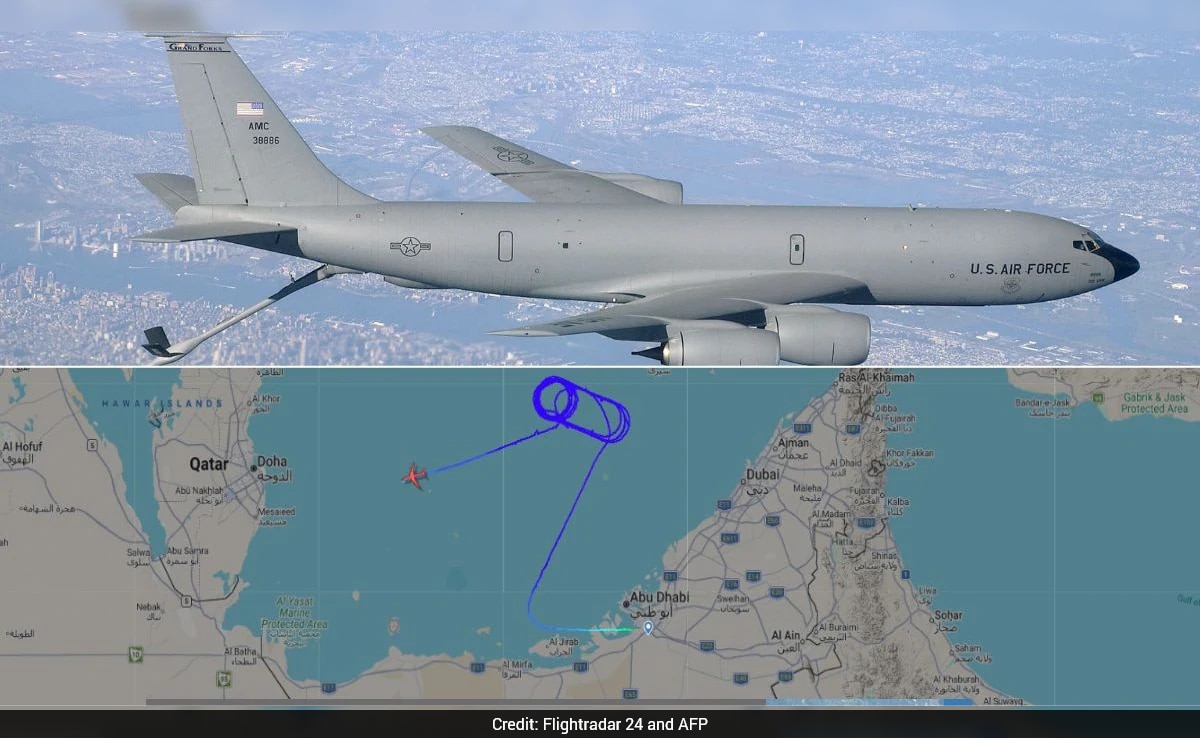
UNITED KINGDOM —
Key facts
- A Boeing KC-135R Stratotanker squawked 7700 emergency code over the Strait of Hormuz on May 5, 206.
- The aircraft took off from Al Dhafra Air Base in the UAE and lost its transponder signal over Qatar.
- Flight tracking data showed the plane flew a circular holding pattern before beginning descent.
- H125 light utility helicopters were observed in the area after the signal loss.
- the disappearance citing Flightradar24 data.
- In March, a US KC-135 was lost in an attack in western Iraq claimed by Iran-backed groups.
- The KC-135 Stratotanker has been in US Air Force service for over 60 years.
Emergency Signal Over the Gulf
A United States Air Force KC-135R Stratotanker declared an in-flight emergency over the Persian Gulf on Tuesday, transmitting the universal distress code 7700 before its transponder signal vanished from tracking systems. The aircraft, a vital aerial refueling platform known as a “flying gas station,” was operating in support of military missions when the incident occurred. The emergency squawk was detected by Flightradar24 data as the plane flew over the Strait of Hormuz, a strategic waterway near Iran. Roughly an hour after the code was transmitted, the aircraft’s signal was lost as it appeared to be heading toward Qatar, where US forces maintain forward operating bases. The exact nature of the emergency remains unknown, and no official statement has been issued by the US military.
Flight Path and Disappearance
According to publicly available flight tracking data, the KC-135 took off from Al Dhafra Air Base in the United Arab Emirates and initially flew a circular holding pattern, suggesting the crew was attempting to stabilize the situation. The aircraft then began a descent, likely preparing for an emergency landing, before its transponder signal ceased. The loss of a transponder signal does not automatically confirm a crash; military aircraft can intentionally disable transponders for operational security reasons. However, the sequence of a 7700 code followed by signal loss raises the possibility of a serious incident. Following the signal loss, H125 light utility helicopters were observed in the area, though their role has not been clarified.
Regional Tensions and Unanswered Questions
The incident unfolds against a backdrop of heightened Middle East tensions. In March, a similar KC-135 aircraft was reportedly lost in an attack in western Iraq, with the Iran-backed Islamic Resistance in Iraq claiming responsibility. That group stated it shot down the aircraft “in defence of our country's sovereignty and airspace.” on Tuesday's disappearance, citing Flightradar24 data, but Iranian authorities have not indicated any involvement. There has been no official confirmation linking the emergency to hostile action, and the US military has not commented on the aircraft's status. The cause of the emergency—whether mechanical failure, onboard fire, or external threat—remains unclear.
The KC-135 Stratotanker: A Workhorse of Aerial Refueling
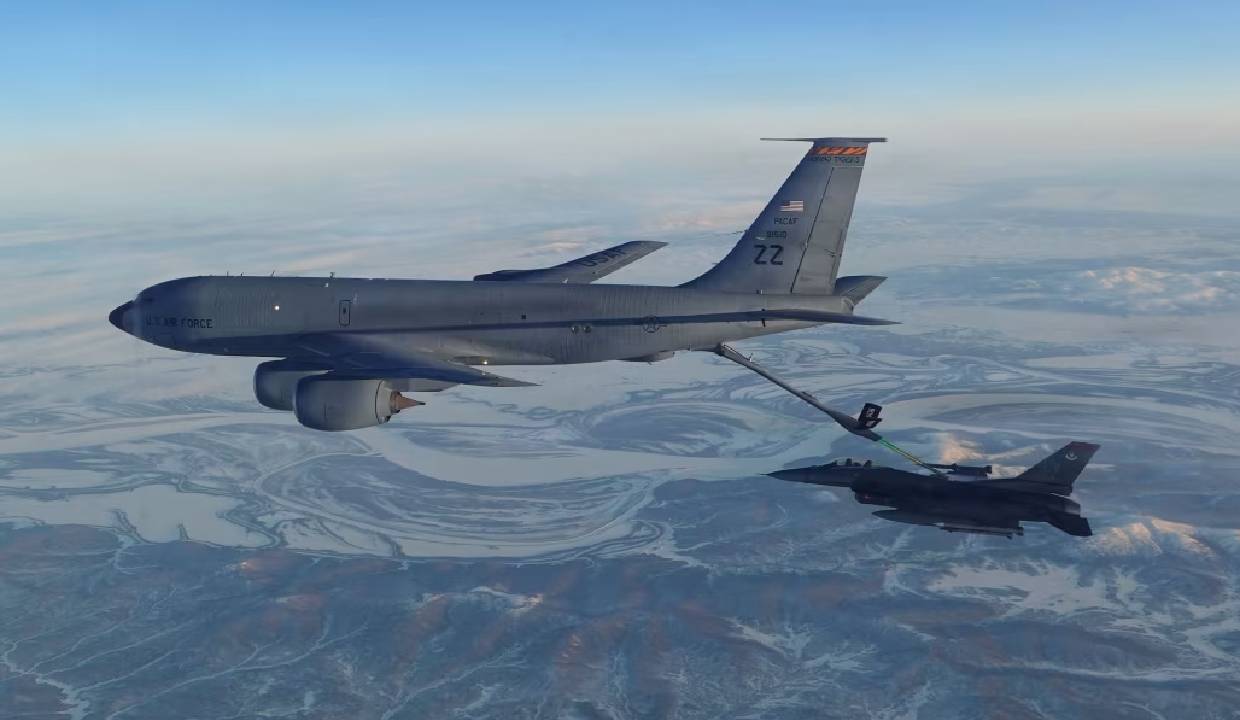
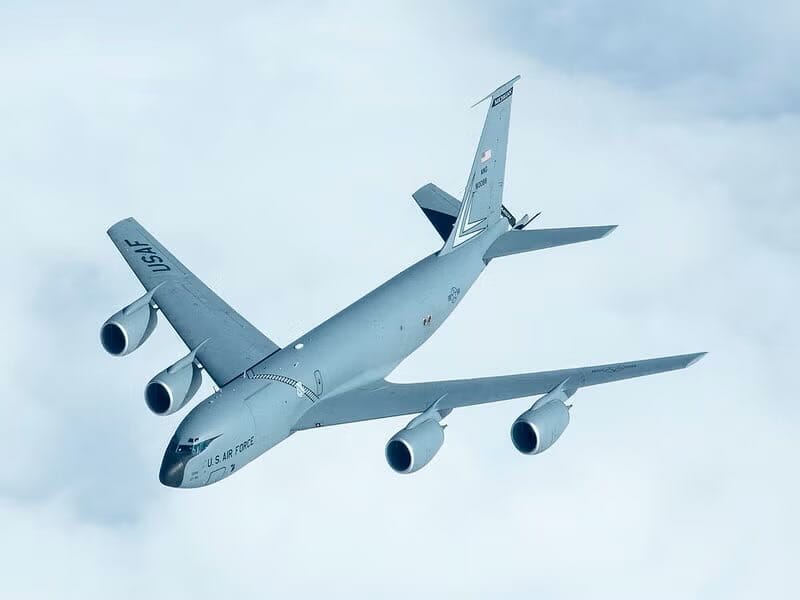
The KC-135 Stratotanker is a four-engine military aircraft based on Boeing's 367-80 design, which also spawned the commercial Boeing 707. It has been a backbone of US Air Force operations for more than six decades, primarily used for aerial refueling to extend the range and endurance of fighter jets, bombers, and other military aircraft. The aircraft can also carry cargo, passengers, and support medical evacuation missions. Hundreds of KC-135s remain in service with the US Air Force, Air National Guard, and Air Force Reserve. Its role as a “flying gas station” makes it a critical asset in any prolonged air campaign, and its loss—temporary or permanent—would be a significant operational setback.
What Comes Next: Investigations and Implications
The US military is expected to conduct an investigation into the incident, though no timeline has been announced. The lack of official communication has fueled speculation, but authorities have not confirmed whether the aircraft crashed, made an emergency landing, or experienced a transponder malfunction. The incident could further strain relations with Iran, especially given the recent attack on a US KC-135 in Iraq. If hostile action is confirmed, it would mark a significant escalation. For now, the fate of the aircraft and its crew remains unknown, and the region watches for any official update.
The bottom line
- A US KC-135R Stratotanker declared an emergency over the Persian Gulf and lost its transponder signal near Qatar.
- The aircraft took off from Al Dhafra Air Base in the UAE and flew a holding pattern before descending.
- No official confirmation on the cause or status of the plane has been provided by the US military.
- the disappearance, but Iran has not claimed involvement.
- The incident follows a March attack on a US KC-135 in Iraq by Iran-backed groups.
- The KC-135 is a critical aerial refueling asset with over 60 years of service.




‘The Devil Wears Prada 2’ Opens to $114.6M Globally as Sequel Dominates International Box Office

Zelenskyy Offers Open-Ended Truce as Putin Demands Two-Day Ceasefire for Victory Day

USDA Expands Salmonella Alert as Aldi, Walmart Frozen Pizzas Added to Recall List
