Glasgow 2026 medal unveiled with braille and tactile design, a first in Games history
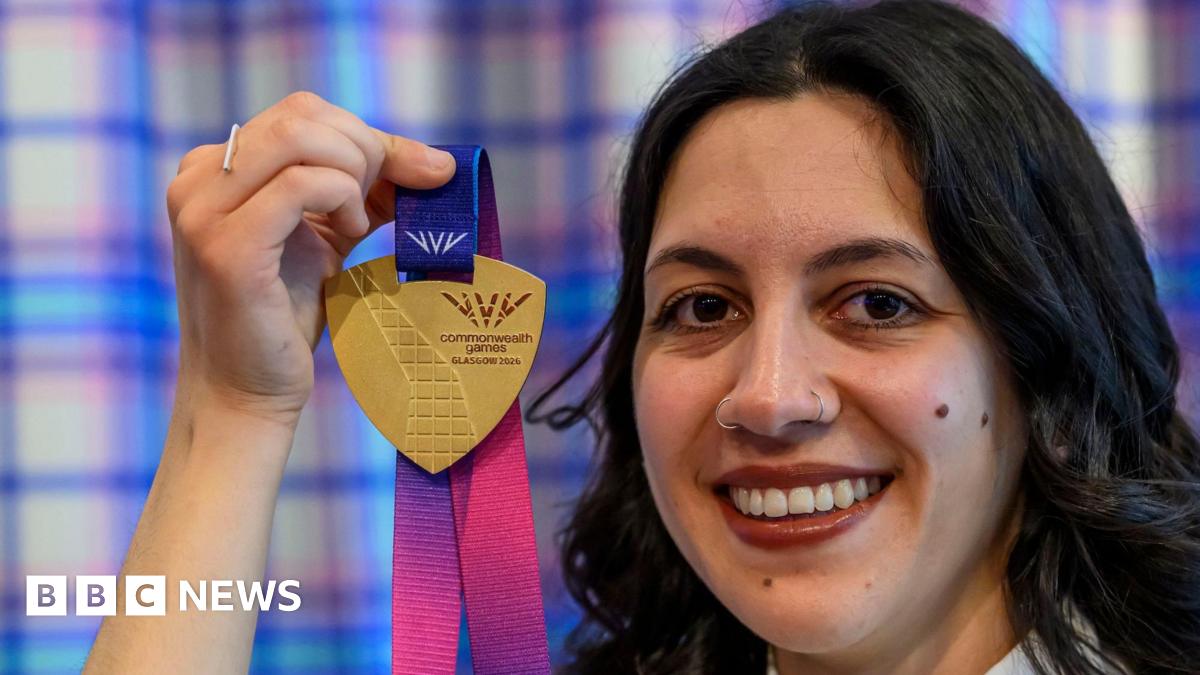
Artist Militsa Milenkova’s Reuleaux triangle medal weaves the Finnieston Crane, tartan, and the city’s coat of arms into a symbol of inclusion.
UNITED KINGDOM —
Key facts
- 215 gold medals will be awarded across 10 sports and six Para sports.
- 47 gold medals are allocated to Para sports, the largest Para programme in Games history.
- The medal features braille and tactile elements for the first time in Commonwealth Games history.
- Designer Militsa Milenkova is Artist in Residence at the Glasgow School of Art.
- The medal takes the form of a Reuleaux triangle, a unique geometric shape.
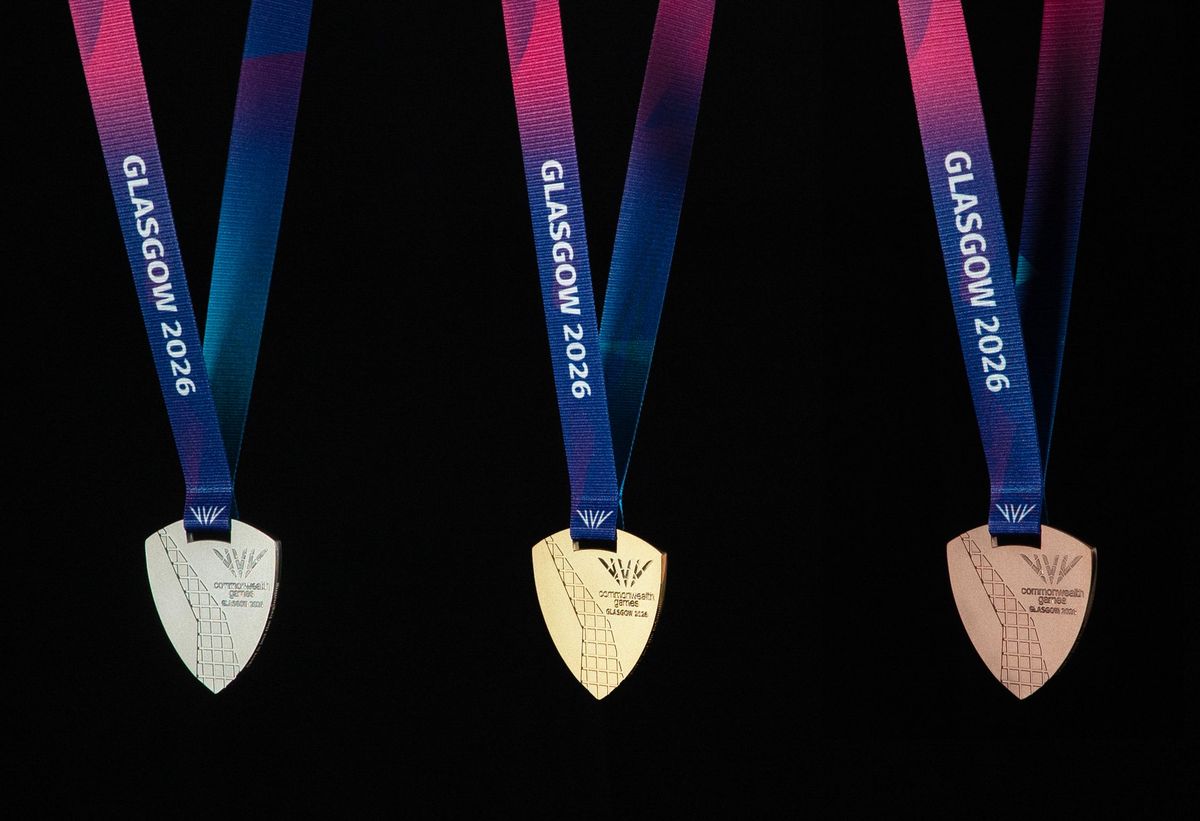
- The design includes three surface levels representing the podium.
- The medal was unveiled at the Glasgow School of Art, attended by Prince Edward, The Duke of Edinburgh.
A medal that speaks to the senses
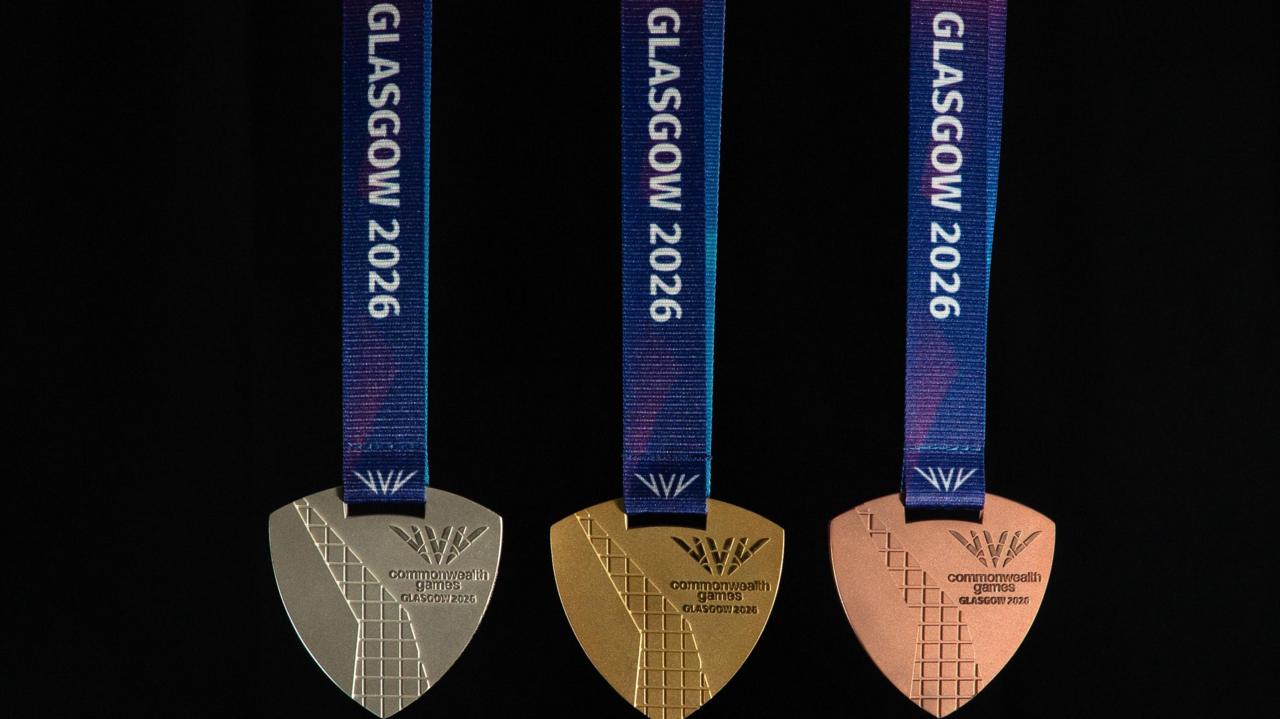
For the first time in Commonwealth Games history, the prize medal will speak not only to the eye but to the touch. The Glasgow 2026 medal, unveiled Wednesday at the Glasgow School of Art, incorporates braille and tactile elements, ensuring that inclusion is not merely a slogan but a tangible experience for every athlete who stands on the podium. The medal was designed by award-winning artist and maker Militsa Milenkova, known as Milly, who is originally from Bulgaria and serves as Artist in Residence at the Glasgow School of Art. Her creation takes the form of a Reuleaux triangle, a distinctive geometric shape that sets it apart from any previous Commonwealth Games medal.
Glasgow’s industrial and cultural heritage forged into metal
The design draws deep inspiration from Glasgow’s coat of arms and its industrial landscape. The Finnieston Crane, a landmark of the city’s shipbuilding past, is woven into the medal’s surface through triangular shapes that echo the crane’s top. The texture of the medal evokes tartan, a symbol of Scottish national identity. Milenkova said she wanted to “fit Glasgow into one shape” and was naturally drawn to the city’s coat of arms for the distinctive outline. The medal’s three surface levels represent the podium steps that athletes ascend, what she called “possibly the biggest moment of their lives.”
A selection process rooted in local artistry
Milenkova was chosen through a collaboration between Glasgow 2026 and the Glasgow School of Art. The school’s silversmithing and jewellery artists in residence were invited to submit concepts. A panel comprising representatives from Commonwealth Sport, Glasgow 2026, the Glasgow School of Art, the medal fabricator, and an independent jewellery and silversmithing expert selected the winning design. George Black CBE, Chair of Glasgow 2026, said the medal is “the ultimate symbol of what our athletes are competing for” and praised Milenkova for creating something “rooted in Glasgow’s story, bold in its design and meaningful in its commitment to inclusion.”
The largest Para sport programme in Games history
A total of 215 gold medals will be awarded when the Games take place from 23 July to 2 August. Of those, 47 gold medals are designated for Para sports, making this the largest Para sport programme in Commonwealth Games history. The medal’s inclusive design—with braille and tactile details—mirrors the organisers’ stated commitment to full integration. Black noted that inclusion is “at the heart of Glasgow 2026,” with the Para programme fully integrated into the competition. For the first time, every athlete standing on the podium will hold a medal that “speaks to who they are and what these Games stand for.”
A broader creative vision for the Games
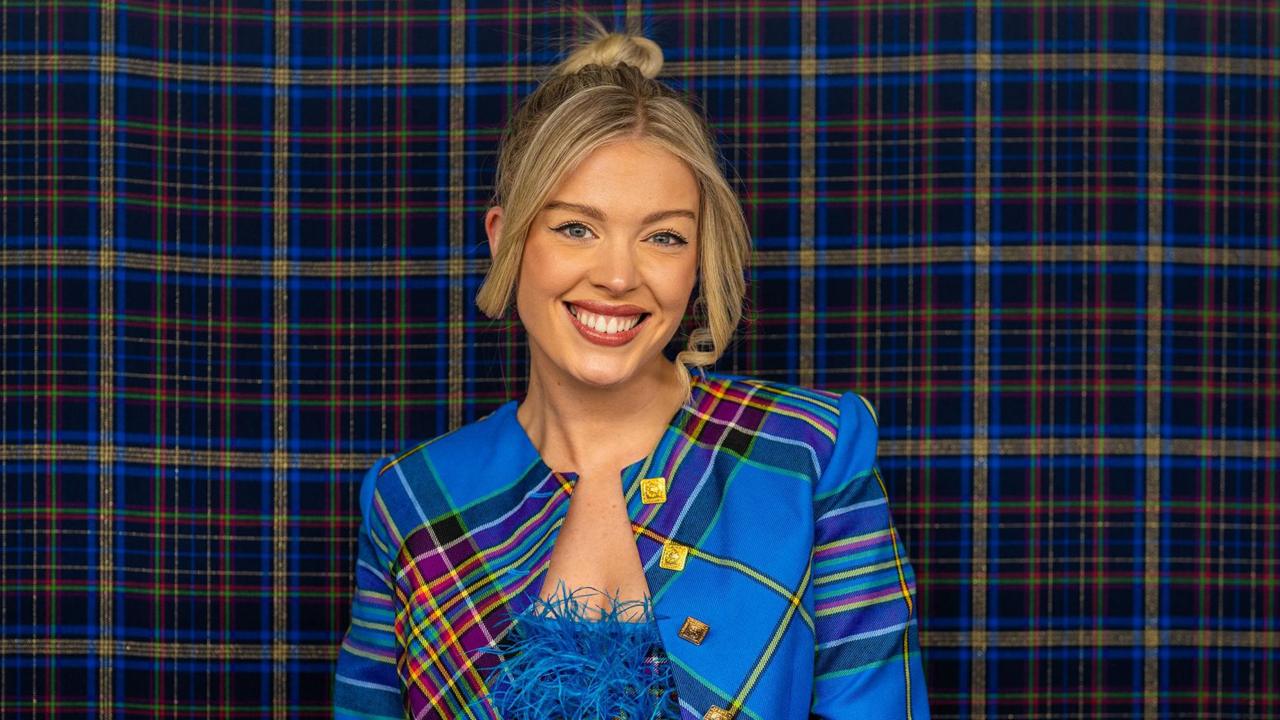
The medal is one of several visual and ceremonial elements commissioned from local artists. The Official Tartan of the Games was designed by Siobhan Mackenzie, a leading Scottish textile designer. The Longines Countdown Clock, located in Central Station, was designed by Glasgow School of Art graduate Agnes Jones. The 74 King’s Batons, travelling across the Commonwealth before the Opening Ceremony, were designed and created by Tim Norman at GalGael, a Glasgow social enterprise rooted in craft and community. Together, these commissions reflect what organisers describe as a commitment to placing local creativity at the heart of the Games, ensuring that Glasgow 2026 is “not simply hosted in the city, but shaped by it.”
Athletes and officials react to the design
Swimmer Duncan Scott OBE, Scotland’s most decorated athlete, saw the medal for the first time at the unveiling and remarked on its unusual shape. “Don’t get many medals in that shape,” he said. “It’s really cool and the braille is a nice touch.” Scott, who has won multiple Olympic and Commonwealth medals, reflected that medals “remind you of moments and the memories at certain championships.” He added that while the medal is the goal of sport, it symbolises far more: the days, weeks, months, and years of training leading to that moment. “For it to be symbolised in something pretty cool like this is quite special,” he said.
A legacy of inclusion and local identity
The Glasgow 2026 medal sets a new standard for accessibility in major Games design. By embedding braille and tactile features, the organisers have made a statement that inclusion is not an afterthought but a core principle. The medal’s form—a Reuleaux triangle—breaks with tradition, just as the Games themselves break new ground with the largest Para sport programme ever. As the countdown to July continues, the medal stands as a tangible promise: that every athlete, regardless of ability, will hold a symbol that reflects both their achievement and the city that welcomes them.
The bottom line
- The Glasgow 2026 medal is the first in Commonwealth Games history to include braille and tactile elements.
- Designer Militsa Milenkova, a Bulgarian-born artist and GSA Artist in Residence, created the Reuleaux triangle medal.
- The medal design incorporates Glasgow’s coat of arms, the Finnieston Crane, and tartan texture.
- 215 gold medals will be awarded, with 47 in Para sports—the largest Para programme in Games history.
- The medal is part of a broader local-artist initiative that includes the Official Tartan, the King’s Baton, and the Countdown Clock.
- The unveiling took place at the Glasgow School of Art, attended by Prince Edward, The Duke of Edinburgh.

Eddie Howe faces pivotal Brighton clash after ‘challenging’ talks with Newcastle owners
Ipswich Town on Verge of Premier League Return as Town Centre Erupts in Blue and White

BBC Newsround Revamps Format to Reach More Children Across Platforms