David Allan Coe, Outlaw Country Singer and Songwriter, Dies at 86
The unapologetic author of 'Take This Job and Shove It' and 'You Never Even Called Me by My Name' leaves a complex legacy of myth, prison tales, and musical influence.

UNITED KINGDOM —
Key facts
- David Allan Coe died at age 86, confirmed by his wife Kimberly Hastings Coe.
- He wrote 'Take This Job and Shove It' and 'Would You Lay With Me (In a Field of Stone)'.
- Coe spent time in reformatories and prisons for charges including grand theft auto and possession of burglary tools.
- He claimed to have killed a fellow inmate with a mop bucket in 1963.
- Shelby Singleton, his discoverer, said 90% of Coe's stories were likely fabricated.
- Coe drove a hearse, wore a Lone Ranger mask, and pretended to have just performed at the Ryman Auditorium.
- His song 'You Never Even Called Me by My Name' was written by Steve Goodman and John Prine.
- Coe recorded offensive, racist songs he claimed were parodies.
A Life of Myth and Music Ends
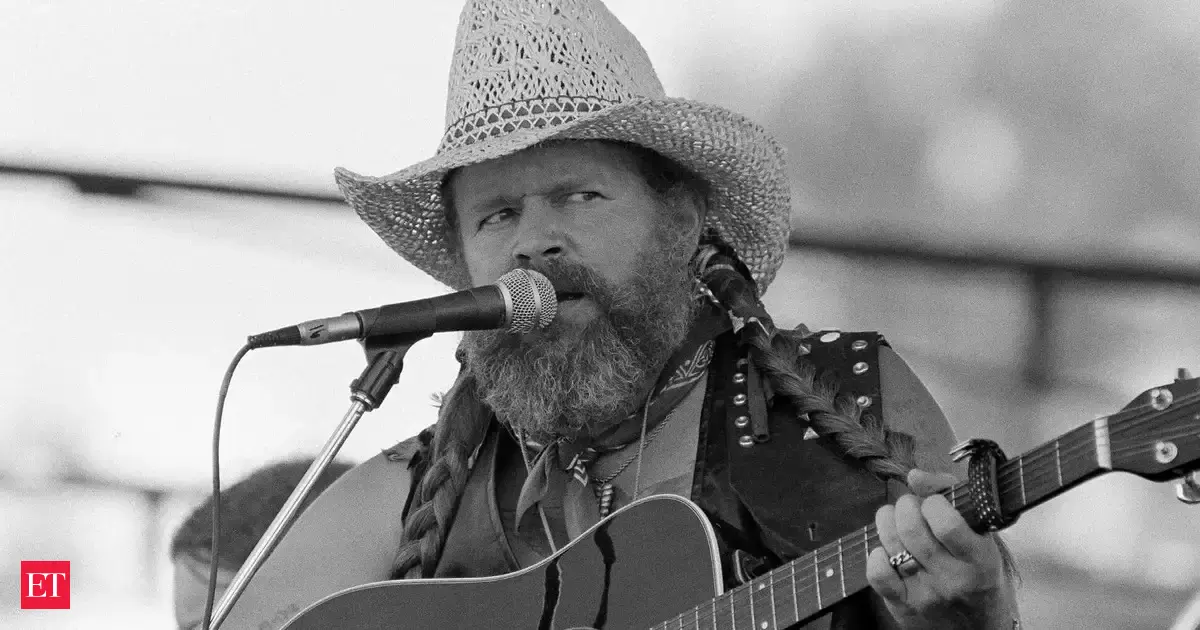
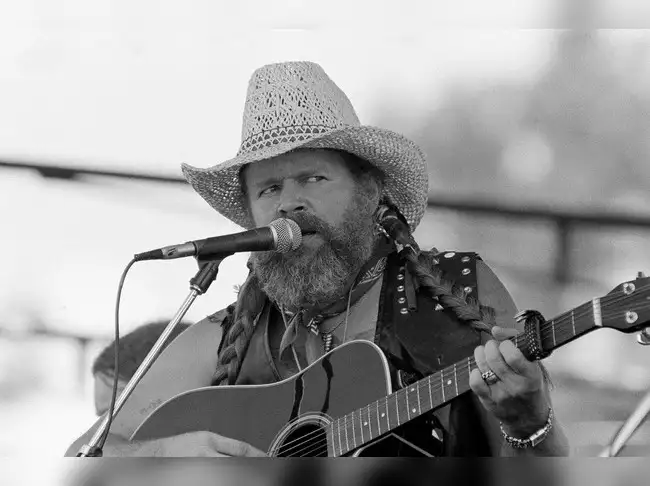
David Allan Coe, the outlaw country singer whose unrepentant persona and hits like 'You Never Even Called Me by My Name' defined a corner of Nashville, died today at 86. His wife, Kimberly Hastings Coe, confirmed the death to Rolling Stone, writing that he was 'one of the best singers, songwriters, and performers of our time.' A cause of death was not immediately available. Coe was a walking tall tale, a man who boasted about prison exploits and claimed to have killed a fellow inmate with a mop bucket during a 1963 incarceration. Yet his music — from the jukebox staple 'You Never Even Called Me by My Name' to the mainstream hit 'Take This Job and Shove It' — left an indelible mark on country music. His death follows a period of declining health, though details remain private.
From Reform School to Nashville Stardom
Born September 6, 1939, in Akron, Ohio, Coe spent much of his youth in and out of reformatories and prisons, facing charges from grand theft auto to possession of burglary tools. In a 1975 interview, he said he sometimes felt safer inside prison: 'I’d wake up the next morning and say to myself, “Oh I’m glad it’s over; I’m glad I’m going back to prison now, where I know I’ll be safe.”' He arrived in Nashville in 1967, determined to break into the music industry. His early years were marked by eccentric stunts: driving a hearse, wearing a Lone Ranger mask, and working himself into a sweat outside the Ryman Auditorium to appear as if he had just performed, then signing autographs for tourists.
The Hitmaker Behind the Mask
Coe's breakthrough came when Tanya Tucker turned his song 'Would You Lay With Me (In a Field of Stone)' into a Number One country hit in 1973. He signed with Columbia Records and released his major-label debut, The Mysterious Rhinestone Cowboy, in 1974. The follow-up, Once Upon a Rhyme (1975), featured his own recording of 'Would You Lay With Me' and the perennial jukebox favorite 'You Never Even Called Me by My Name.' 'You Never Even Called Me by My Name' was written by Steve Goodman and an uncredited John Prine. The song allowed Coe to poke fun at and honor country music, impersonate stars like Waylon Jennings and Merle Haggard, and weave in his own mythologized legacy. 'The only time I know, I’ll hear “David Allan Coe,”' he sang, 'is when Jesus has his final judgment day.'
A Contradictory Legacy
Coe was one of country music's most complex figures. He wrote mainstream hits for Tanya Tucker and Johnny Paycheck — 'Take This Job and Shove It' was entirely his creation — and recorded songs that still appear on playlists and in radio rotation. Yet a period of offensive, racist songs that Coe claimed were parodies continue to make many bristle. His mythmaking was part of his appeal, but it also drew skepticism. 'Ninety percent of what he tells you is probably bullshit,' Shelby Singleton, the Nashville producer who discovered Coe, told Rolling Stone in 1976. 'We thought it was a gimmick, and we promoted it in that manner.'
The Outlaw Persona and Its Costs
Coe lived the unapologetic life that other outlaw country figures only sang about. He was wildly eccentric, eager to try any tactic to stand out. He pioneered an all-girl backup band and met singer Screamin' Jay Hawkins during his travels. But his past included a claim of killing a fellow inmate — a dubious one.onfrontational image were central to his brand, yet the line between fact and fiction was deliberately blurred. His wife's statement urged that he 'never be forgotten,' a wish that seems assured given his enduring influence.
What Comes Next for Coe's Legacy
With Coe's death, the music world loses a figure who defied easy categorization. His songs remain in rotation, and his influence on outlaw country is undisputed. However, the offensive material he recorded will continue to complicate his legacy. No cause of death has been released, and funeral arrangements have not been announced. His wife's message suggests that his memory will be preserved by those who knew him and by fans who embraced his unvarnished storytelling.
A Final Verse for the Rhinestone Cowboy
David Allan Coe crafted a persona as carefully as any song. He was a man who claimed to have killed with a mop bucket, who drove a hearse, and who sang about being forgotten until Judgment Day. In the end, he ensured he would not be forgotten — even if the truth of his life was as elusive as the perfect country song. His music, for all its contradictions, remains a testament to a life lived on his own terms. The jukeboxes will keep playing 'You Never Even Called Me by My Name,' and the stories will keep being told.
The bottom line
- David Allan Coe died at 86, leaving a legacy of outlaw country hits and controversial material.
- He wrote 'Take This Job and Shove It' and 'Would You Lay With Me,' both major successes for other artists.
- Coe's prison stories and eccentric persona were central to his image, though often embellished.
- His song 'You Never Even Called Me by My Name' became a jukebox classic, written by Steve Goodman and John Prine.
- Coe's career included offensive racist songs that he claimed were parodies, sparking ongoing debate.
- His death marks the end of an era for outlaw country, but his music continues to influence the genre.





Devil Wears Prada 2 Soundtrack: Lady Gaga, Doechii, and Izzy Escobar Join Star-Studded Album

Former Spandau Ballet singer Ross Davidson jailed 14 years for rapes and sexual assaults

Paul Bradley on Nigel Bates' Final Journey: 'It's a Very Beautiful Ending'