UK airlines to cancel flights as jet fuel shortage looms amid Middle East crisis
With the Strait of Hormuz blocked for eight weeks, European jet fuel prices have more than doubled, and the UK, reliant on imports for 65% of its supply, faces summer travel disruption.

UNITED KINGDOM —
Key facts
- Jet fuel price rose from $831 per tonne in late February to $1838 in early April, a 120% increase.
- The Strait of Hormuz has been effectively closed since early March, cutting off 20% of globally traded jet fuel.
- The UK imports 65% of its jet fuel, with much coming from the Middle East.
- Five European refineries have closed in the last two-and-a-half years, including two in the UK, leaving four operational.
- Fuel accounts for 25-30% of airline operating costs.
- New UK legislation allows airlines to cancel or consolidate flights at least two weeks in advance without losing airport slots.
- Transport Secretary Heidi Alexander met with Heathrow, Gatwick, British Airways, Virgin Atlantic, and easyJet on Thursday to finalize plans.
Soaring fuel costs and supply fears grip UK aviation
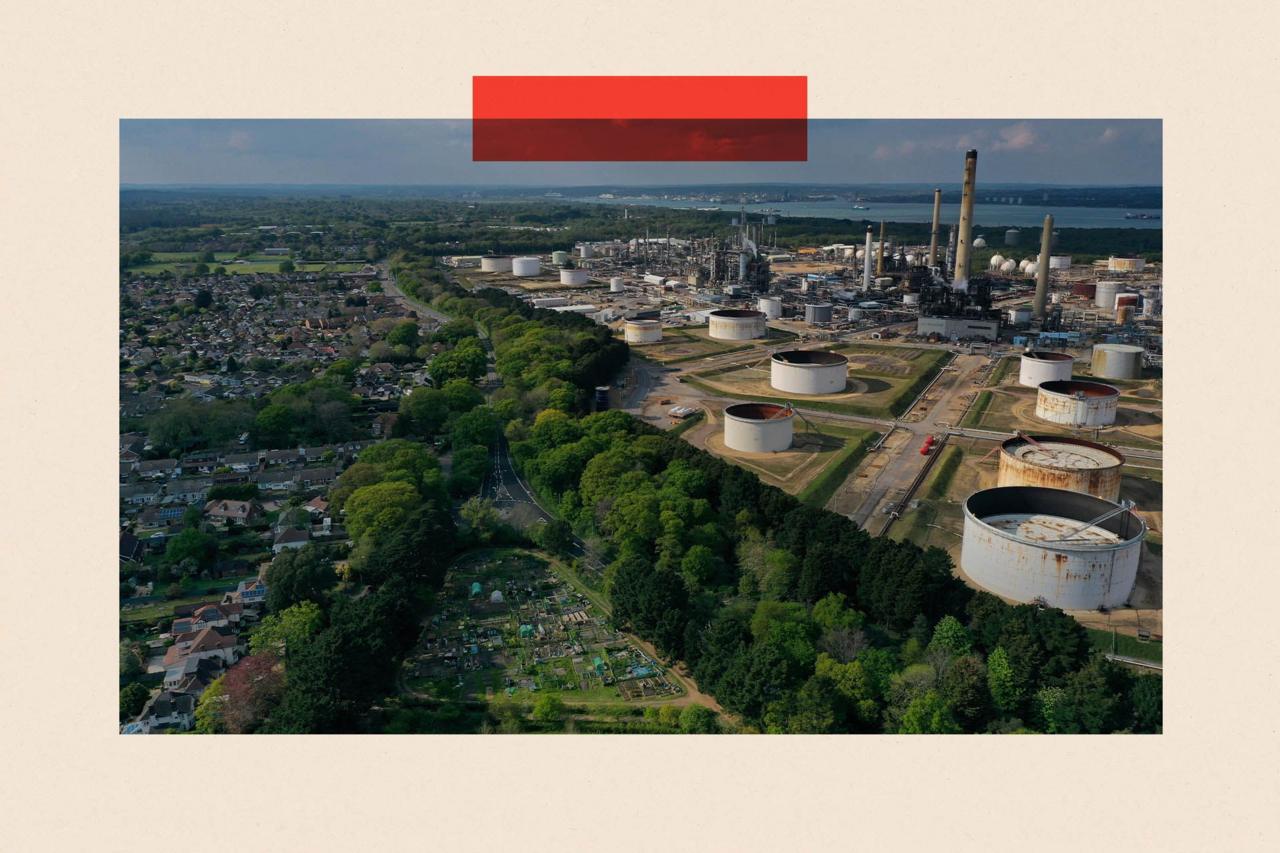
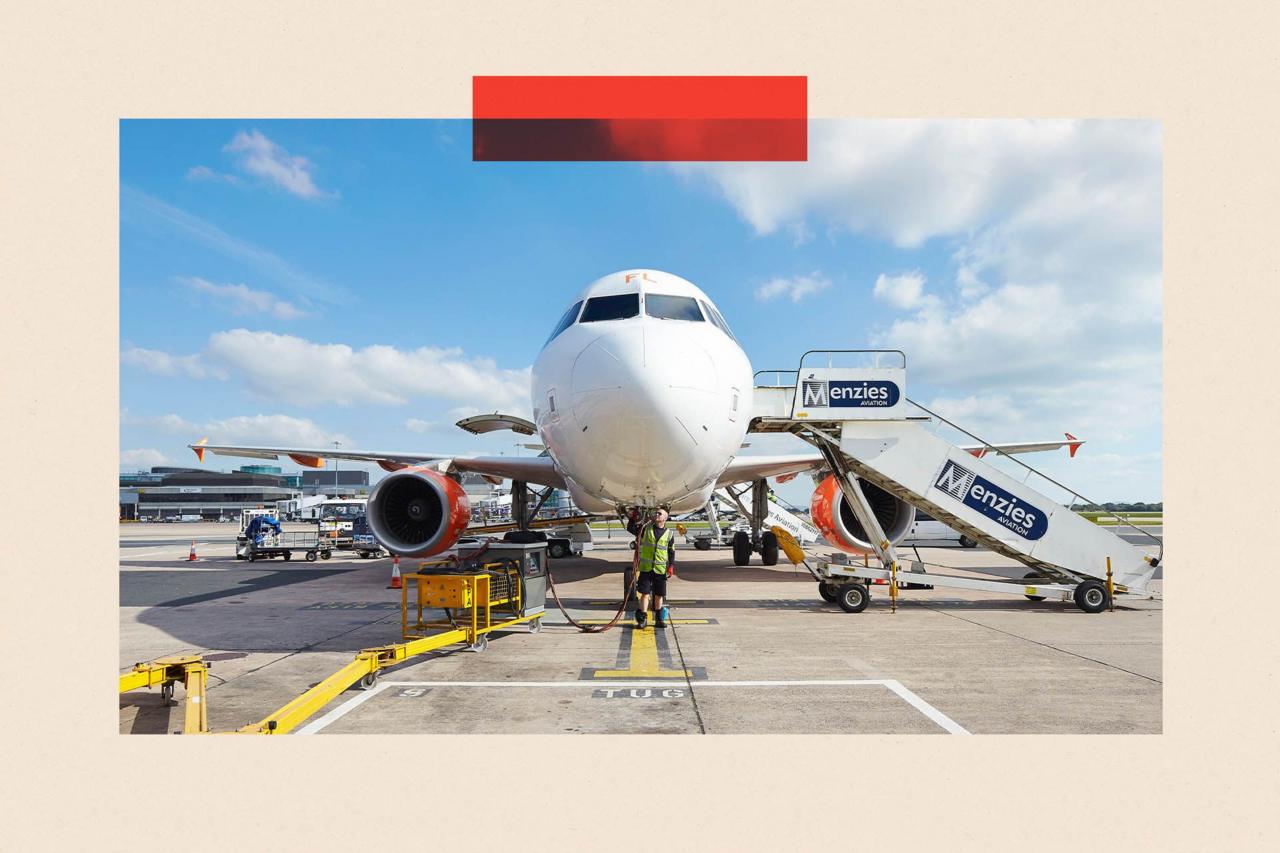
The unmistakable smell of jet fuel on airport tarmacs — a blend of sweet, oily notes reminiscent of old workshops — has become a marker of soaring costs and looming shortages. Since the conflict in the Middle East escalated, the price of jet fuel has surged dramatically, and with the Strait of Hormuz blocked for eight weeks, physical shortages threaten Europe's summer travel season. In late February, before the first US and Israeli airstrikes, jet fuel traded at $831 per tonne in Europe. By early April, it had touched $1,838 — an increase of more than 120%. Though it has since retreated, prices have consistently remained above $1,500. The Gulf region, normally a major exporter accounting for about 20% of globally traded jet fuel, has been unable to supply Europe due to the blockade. The UK, Europe's largest consumer of jet fuel, is particularly vulnerable. It imports 65% of its jet fuel, much of it from the Middle East. With five European refineries closed in the last two-and-a-half years — two of them British — domestic refining capacity is stretched. Amaar Khan, head of jet fuel pricing at Argus Media, explained: "We have had five refinery closures in the last two-and-a-bit years in Europe, whereas jet fuel demand has been rising year on year. So, we see weaker supply, greater demand."
New legislation lets airlines cancel flights in advance to avoid summer chaos
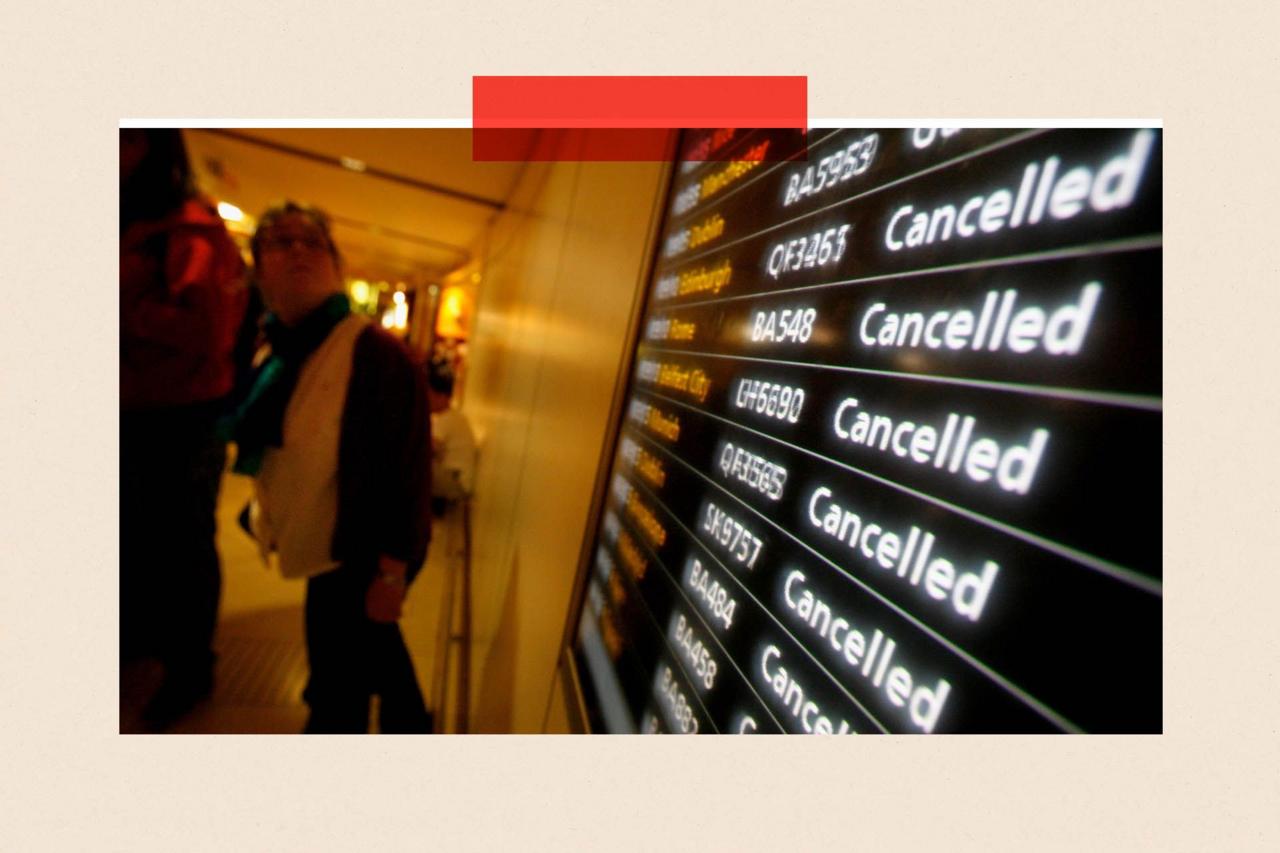
UK airlines will be able to cancel or consolidate flights this summer to conserve jet fuel, under government plans announced Sunday. The measures aim to avoid major disruption as Britons jet off on their summer holidays. Airlines are examining their timetables to identify which flights can be cancelled in advance with the least impact on passengers. New legislation will allow airlines to give back a limited proportion of their allocated takeoff and landing slots without losing the right to operate them the following season. Normally, cancelling slots puts airlines at risk of losing them, sometimes forcing them to run half-empty planes to retain the slots. Under the new rules, flights must be cancelled at least two weeks in advance, and passengers can be moved to similar services. If flights have not sold a significant proportion of tickets, they may also be cancelled to avoid wasting fuel on near-empty planes, ministers said. Rob Bishton, chief executive of the UK Civil Aviation Authority, stated: "Relaxing the rules around slots at airports will allow airlines more flexibility and so we expect them to give passengers as much notice as possible of cancellations during this period."
Government and industry leaders meet to finalise contingency plans
The plans were hatched at a meeting last Thursday between Transport Secretary Heidi Alexander and representatives from Heathrow and Gatwick airports, British Airways, Virgin Atlantic, and easyJet. The meeting came amid growing fears that European jet fuel stocks could run out within weeks. According to some calculations, just a few weeks of jet fuel supplies remain in Europe. Alexander said: "There are no immediate supply issues, but we're preparing now to give families long-term certainty and avoid unnecessary disruption at the departure gate this summer. This legislation will give airlines the tools to adjust flights in good time if they need to, which helps protect passengers and businesses. We will do everything we can to insulate our country from the impact of the situation in the Middle East." The crisis has exposed the UK's heavy reliance on imported jet fuel. With the Strait of Hormuz closed since early March, the supply chain has been severely disrupted. The Gulf region normally produces far more jet fuel than it consumes, making it a key supplier to Europe. Without that supply, airlines are scrambling for fuel produced elsewhere, driving up prices and prompting preemptive cancellations.
Economic impact: airlines face soaring costs and capacity cuts
For airlines, fuel is a major expense, typically accounting for 25-30% of operating costs, according to the International Air Transport Association (IATA). The 120% price surge has already pushed many carriers to raise ticket prices and trim capacity. Unless extra supplies can be found, a lack of fuel could lead to further disruption and cancellations heading into the peak summer holiday period. The price of jet fuel has increased far more than that of crude oil, because supplies are dictated largely by refining capacity. The loss of output from the Gulf has exacerbated a pre-existing trend of refinery closures in Europe. With fewer refineries operating, the continent is more dependent on imports, and any disruption in supply chains has an outsized effect. Airlines are now carefully reviewing their schedules. easyJet, one of the carriers present at last Thursday's meeting, is expected to be among those most affected due to its extensive European network. The company has not yet commented on specific flight cancellations, but the new legislation gives it the flexibility to adjust operations without penalty.
Wider context: Europe's refining capacity crisis deepens
The current jet fuel shortage is not solely a result of the Middle East conflict. Europe's refining capacity has been shrinking for years. Five refineries have closed in the last two-and-a-half years, including two in the UK, leaving just four operational in the country. This structural decline has made Europe more reliant on imports, more than half of which typically come from the Gulf. Jet fuel is a highly refined form of kerosene with specialised additives, produced through fractional distillation of crude oil. The closure of refineries reduces not only the supply of jet fuel but also the flexibility to ramp up production when needed. As demand for air travel has risen year on year, the gap between supply and demand has widened. The UK, as Europe's largest jet fuel consumer, is especially exposed. With 65% of its jet fuel imported, any disruption in global trade routes has immediate consequences. The blockade of the Strait of Hormuz has thus triggered a crisis that was already latent due to underinvestment in refining capacity.
Outlook: summer holidays at risk as airlines brace for cancellations
The coming weeks will be critical. If the Strait of Hormuz does not reopen soon, physical shortages could materialise in some areas, forcing airlines to cancel more flights. The government's legislation provides a framework for orderly cancellations, but it cannot create additional fuel. Passengers are advised to stay informed and be prepared for potential changes to their travel plans. Transport Secretary Alexander emphasised that there are no immediate supply issues, but the government is acting preemptively. The success of the plan depends on whether airlines can consolidate flights effectively and whether alternative fuel sources can be secured. Some industry analysts doubt that enough jet fuel can be sourced from outside the Gulf to meet summer demand. The crisis underscores the fragility of global supply chains and the strategic importance of refining capacity. For now, the smell of jet fuel on airport tarmacs may become a reminder not of travel but of its precariousness.
The bottom line
- Jet fuel prices in Europe more than doubled from $831 to $1,838 per tonne between late February and early April due to the Strait of Hormuz blockade.
- The UK imports 65% of its jet fuel, making it highly vulnerable to supply disruptions from the Middle East.
- New UK legislation allows airlines to cancel or consolidate flights at least two weeks in advance without losing airport slots, aiming to prevent last-minute summer chaos.
- Five European refineries have closed in the last two-and-a-half years, including two in the UK, reducing domestic supply capacity.
- Fuel accounts for 25-30% of airline operating costs, so price surges directly impact ticket prices and capacity.
- The government and industry leaders, including easyJet, have met to coordinate contingency plans, but physical shortages remain a risk if the blockade continues.



NYT Connections Puzzle Tests Players With Overcooked Meat and Planetary Wordplay

Bad Bunny Arrives at 2026 Met Gala as an Aged Version of Himself

AC Milan target Gabriel Jesus as Arsenal face summer overhaul
