Eta Aquarid Meteor Shower Peaks May 5-6: Up to 50 Meteors per Hour, but Moon Threatens Viewing
The annual display, debris from Halley's Comet, will be best seen from the southern hemisphere, while northern observers face moonlight interference.
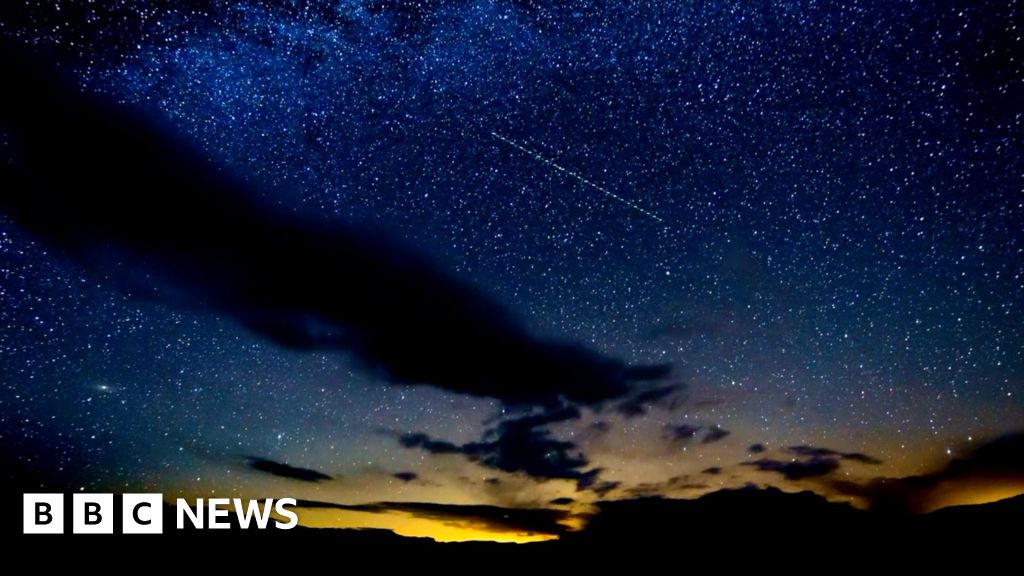
UNITED KINGDOM —
Key facts
- Eta Aquarid meteor shower active from April 19 to May 28, 2026.
- Peak night: May 5-6, with best viewing in predawn hours of May 6.
- Southern hemisphere observers may see up to 50 meteors per hour under ideal conditions.
- Northern hemisphere viewers may see 10-30 meteors per hour, but moon could reduce count to under 10.
- Waning gibbous moon, 84% illuminated, rises shortly after midnight on May 5-6.
- Radiant located in constellation Aquarius, rising above eastern horizon about three hours after midnight.
- Meteors leave persistent glowing trains, best viewed 40 degrees away from radiant.
- American Meteor Society provided the hourly rate estimates.
Peak Viewing Conditions and the Moon Problem
The Eta Aquarid meteor shower, born from the debris trail of Halley's Comet, reaches its peak on the night of May 5-6, 2026. For stargazers in the northern hemisphere, including the United States and United Kingdom, the spectacle will be marred by a waning gibbous moon that rises shortly after midnight, flooding the sky with light and hiding fainter meteors. The American Meteor Society estimates that ideal conditions could yield 10-30 meteors per hour in the north, but the moon's 84% illumination may slash that number to under 10. In the southern hemisphere tropics, where the shower's radiant climbs higher, observers may see up to 50 meteors per hour under clear, dark skies. The disparity stems from the radiant's altitude: the higher it is, the more meteors appear to radiate from a single point, increasing the count.
How to Spot the Shooting Stars
To maximize sightings, viewers should locate the shower's radiant in the constellation Aquarius, which rises above the eastern horizon to the left of the moon about three hours after midnight. Smartphone astronomy apps like Stellarium or SkySafari 7 Pro can help pinpoint the radiant amid the lunar glare. Once found, look about 40 degrees away — roughly the width of four clenched fists at arm's length — where the meteors' persistent glowing trains are most visible. The Eta Aquarids are known for their speed, entering Earth's atmosphere at about 66 kilometers per second, and for leaving long-lasting trails. Naked-eye observation is best, but photographers can capture the streaks with the right equipment; the Canon EOS R7 is recommended for beginners.
The Science Behind the Shower
The Eta Aquarid meteor shower occurs annually when Earth plows through the stream of dust and debris left behind by Halley's Comet during its 76-year orbit around the sun. The particles, some as small as grains of sand, burn up in the atmosphere at altitudes of 80 to 100 kilometers, creating the streaks of light known as meteors. The shower is active from April 19 to May 28, with a broad peak centered on May 5-6. Halley's Comet, last seen in 1986 and due to return in 2061, is responsible for two meteor showers: the Eta Aquarids in May and the Orionids in October. The Eta Aquarids are typically the more prolific of the two for southern hemisphere observers.
Historical and Cultural Significance
The Eta Aquarid shower has been observed for centuries, with records dating back to ancient Chinese astronomers. The name derives from the star Eta Aquarii, near the radiant point in the constellation Aquarius. Halley's Comet itself has been a source of fascination and fear throughout history, appearing in the Bayeux Tapestry and inspiring works from Mark Twain to modern science fiction. Today, the shower serves as a reminder of the solar system's dynamic nature and the ongoing journey of Earth through cosmic debris. For many, it is a chance to connect with the legacy of Edmond Halley, who first predicted the comet's return.
What Comes Next: Future Peaks and Viewing Tips
For those who miss the 2026 peak, the Eta Aquarid shower returns annually, with the next peak in May 2027. The moon phase will be more favorable then, offering darker skies for northern observers. In the meantime, photographers can submit their best Eta Aquarid images to [email protected] for potential publication. As the shower fades after May 28, the next major meteor event will be the Perseids in August, which typically produce 60-100 meteors per hour under ideal conditions. For now, the Eta Aquarids offer a final spring spectacle — a tiny piece of Halley's Comet burning up in our atmosphere, a fleeting reminder of the celestial clockwork above.
The bottom line
- The Eta Aquarid meteor shower peaks on May 5-6, 2026, with best viewing before dawn on May 6.
- Southern hemisphere observers may see up to 50 meteors per hour; northern viewers may see 10-30, but moon could reduce to under 10.
- The waning gibbous moon, 84% lit, rises after midnight and will obscure fainter meteors.
- Look for meteors 40 degrees away from the radiant in Aquarius to see persistent glowing trains.
- The shower is debris from Halley's Comet, which orbits the sun every 76 years.
- Photographers can submit images to [email protected] for possible publication.



In 'The Cage,' a Casino Heist Becomes a Devastating State-of-the-Nation Drama

Jill Halfpenny and Sally Lindsay Star in Channel 5's 'Number One Fan', a Stalker Thriller with Unexpected Twists
Neil Patrick Harris Stars in 'The Last Temptation of Becky' as Threequel Unveiled
