Eurovision 2026: Vienna Hosts 70th Edition as UK Enters with LOOK MUM NO COMPUTER
The BBC unveils a glittering lineup of presenters, including Sara Cox replacing the fired Scott Mills, as the contest returns to Austria for the first time since 2015.
UNITED KINGDOM —
Key facts
- The 70th Eurovision Song Contest takes place in Vienna, Austria, from 12 to 16 May 2026.
- 35 countries compete, with 25 advancing to the Grand Final on 16 May.
- The UK entry is LOOK MUM NO COMPUTER performing 'Eins, Zwei, Drei'.
- Sara Cox replaces Scott Mills as BBC Radio 2 host after Mills was fired over personal conduct allegations.
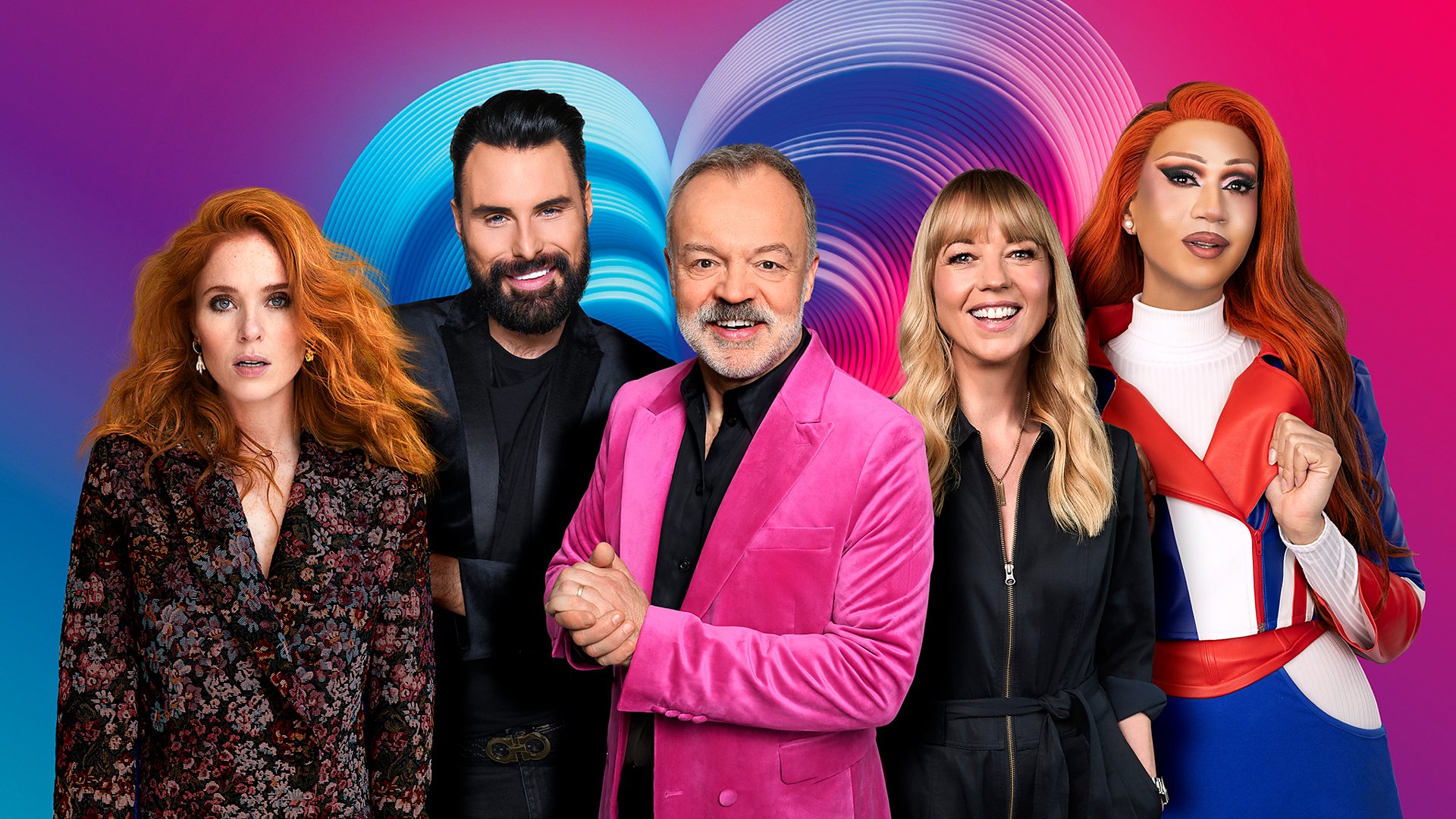
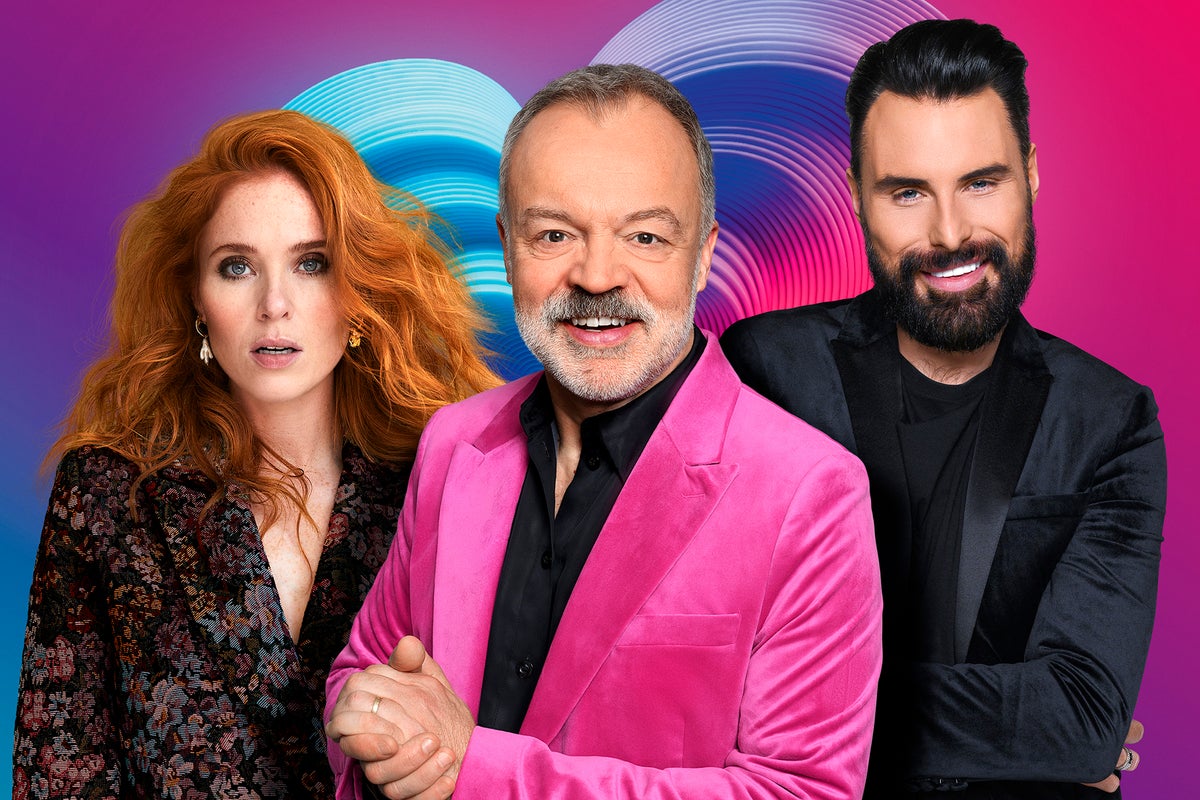
- Graham Norton returns for the Grand Final, with Rylan and Angela Scanlon hosting the semi-finals.
- Last year's Grand Final drew an average UK audience of 7.1 million, including 1.2 million aged 16–34.
- Spain withdrew from the Big Five over Israel's participation, reducing the pre-qualified group to four.
A 70th Anniversary Celebration in the Austrian Capital
Vienna is ready to welcome the world as the Eurovision Song Contest marks its 70th edition. The competition returns to Austria for the first time since 2015, with the Wiener Stadthalle serving as the venue for the semi-finals and grand final. Austria earned the hosting rights after JJ won the 2025 contest, and the country is set to showcase its alpine landscapes, classical music heritage, and culinary traditions like Wiener Schnitzel and apple strudel. The event runs from 12 to 16 May, with the first semi-final on Tuesday 12 May, the second on Thursday 14 May, and the Grand Final on Saturday 16 May. Each semi-final features 35 acts, with the top ten from each advancing to the final. The BBC will broadcast all shows live across BBC One, BBC iPlayer, BBC Radio 2, and BBC Sounds, ensuring UK audiences can follow every moment.
BBC Presenter Shake-Up After Scott Mills' Dismissal
The BBC's Eurovision coverage undergoes a significant change this year as Sara Cox steps in for Scott Mills, who was fired from the broadcaster last month following allegations about his personal conduct. Cox, who also takes over Mills' Radio 2 breakfast show, will host the semi-finals on Radio 2 and BBC Sounds, both as a solo presenter and alongside Rylan. The shake-up adds a new dynamic to the BBC's familiar Eurovision team. Rylan returns to present the semi-finals on TV and iPlayer, joined by Irish presenter Angela Scanlon. Scanlon, a self-described Eurovision superfan, said: 'It feels like joining the greatest party on earth – equal parts thrilling and terrifying! I grew up watching the Eurovision Song Contest with my three sisters, making very serious (and wildly biased) scorecards from the couch, so to now be part of it – especially in its 70th year – is genuinely surreal.' Rylan added: 'Being part of anything this big is something younger me could never have imagined.'
Graham Norton and Tia Kofi Return for Grand Final
Fan-favourite Graham Norton will once again provide his famously witty commentary for the Grand Final on BBC One. 'It feels really special to be back, gently guiding viewers through the Grand Final in this very momentous 70th anniversary year,' Norton said. The commentator lineup also includes Euro-aficionado Rylan and Sara Cox, with Angela Scanlon joining the party. Former Drag Race UK winner Tia Kofi will be on the ground in Vienna, gathering gossip and updates from backstage and across the city for the BBC's digital channels. Kalpna Patel-Knight, Head of Entertainment at the BBC, said: 'The BBC continues to be the home of Eurovision in the UK, and this year we’re once again offering a treasure trove of brilliant content for audiences to enjoy as we celebrate the 70th anniversary of the contest across the BBC on our platforms.'
UK Entry LOOK MUM NO COMPUTER and the Big Four Dynamics
The United Kingdom's entry this year is LOOK MUM NO COMPUTER, performing the song 'Eins, Zwei, Drei'. The act will make its first Eurovision stage appearance during the second semi-final on Thursday 14 May, where UK viewers can also vote for their favourites. As one of the pre-qualified 'Big Four' countries—alongside Germany, France, and Italy—the UK is guaranteed a spot in the Grand Final, a status that was originally the 'Big Five' until Spain withdrew in protest over Israel's participation. Austria, as the reigning champion and host, also automatically qualifies for the final. The pre-qualified status means these countries do not have to compete in the semi-finals, but their performances are still part of the semi-final broadcasts. The UK's guaranteed place ensures that British audiences can focus on the spectacle without the anxiety of elimination.
Behind the Scenes: Rehearsals and Digital Access
From Saturday 2 May, the 35 acts will begin rehearsals on the Wiener Stadthalle stage, and the Eurovision Song Contest will offer fans exclusive behind-the-scenes access. A live blog of the first rehearsals will be hosted on the contest's Reddit subreddit, providing real-time updates on pyro, props, choreography, and costumes. Approximately 24 hours after each first rehearsal, sneak peeks will be published on Instagram and Facebook, giving viewers a preview of what to expect. A Drop-In Studio backstage will capture the 'Class of '26' in top-secret videos, shared across official Eurovision channels. The digital strategy aims to build anticipation before the live shows, allowing fans to connect with the artists and their staging. The BBC's digital channels, led by Tia Kofi, will also provide continuous coverage from Vienna, ensuring that no moment goes unnoticed.
Audience Numbers and Cultural Significance
Eurovision remains one of the most-watched television events in the UK, with last year's Grand Final in Basel, Switzerland, drawing an average audience of 7.1 million. Among younger viewers aged 16–34, 1.2 million tuned in, underscoring the contest's enduring appeal with a demographic that often eludes traditional broadcasters. The 70th edition is expected to match or exceed these figures, as the BBC promotes a 'treasure trove of brilliant content' across its platforms. The contest's cultural impact extends beyond ratings: it brings the nation together for a night of joy, as Patel-Knight noted. Whether viewers host Eurovision parties with pepperoni pizza or enjoy roly poly with custard at home, the event has become a staple of British springtime. The combination of live music, camp spectacle, and communal voting creates a unique shared experience that few other programmes can replicate.
What Lies Ahead: The Road to the Grand Final
With rehearsals starting on 2 May and the first semi-final on 12 May, the countdown to the Grand Final is well underway. The 35 competing countries will be whittled down to 25 finalists, with the UK and Austria already assured their places. The outcome remains uncertain, but the UK entry LOOK MUM NO COMPUTER has the potential to break the country's recent streak of middling results, following Sam Ryder's second place in 2022 and Mae Muller's 25th in 2023. The 70th edition also carries symbolic weight: it is a celebration of a contest that has survived geopolitical tensions, format changes, and shifting musical tastes. Austria's hosting, with its blend of tradition and modernity, provides a fitting backdrop. As the BBC and the European Broadcasting Union prepare for the live shows, the question on every fan's mind is whether this year's winner will come from the Big Four, a returning champion, or a dark horse from the semi-finals.
The bottom line
- The 70th Eurovision Song Contest is held in Vienna, Austria, from 12 to 16 May 2026, marking the first time Austria hosts since 2015.
- The BBC's coverage features a revamped presenter lineup: Sara Cox replaces the fired Scott Mills, joining Rylan, Angela Scanlon, Graham Norton, and Tia Kofi.
- The UK entry is LOOK MUM NO COMPUTER with the song 'Eins, Zwei, Drei', performing in the second semi-final but automatically qualifying for the Grand Final as a Big Four country.
- Spain's withdrawal over Israel's participation reduces the pre-qualified group from five to four, alongside the UK, Germany, France, and Italy.
- Last year's Grand Final attracted 7.1 million UK viewers on average, with 1.2 million aged 16–34, highlighting the contest's strong youth appeal.
- Fans can follow first rehearsals via a Reddit live blog from 2 May, with sneak peeks on Instagram and Facebook 24 hours later.


Devil Wears Prada 2 Soundtrack: Lady Gaga, Doechii, and Izzy Escobar Join Star-Studded Album

Former Spandau Ballet singer Ross Davidson jailed 14 years for rapes and sexual assaults
Paul Bradley on Nigel Bates' Final Journey: 'It's a Very Beautiful Ending'