Hantavirus Outbreak Linked to Ushuaia Landfill on Cruise Ship
Argentine officials investigate a bird-watching trip as the likely source of a deadly virus outbreak on the MV Hondius.

UNITED KINGDOM —
Key facts
- Three passengers died from hantavirus aboard the MV Hondius.
- Eight suspected cases are linked to the ship, with five confirmed.
- The leading hypothesis is infection at a Ushuaia landfill during a bird-watching outing.
- The Dutch couple who died are believed to have contracted the virus in Ushuaia.
- The Andes strain of hantavirus, capable of human-to-human transmission, has been confirmed.
- The cruise ship departed Ushuaia, Argentina, on April 1.
- A Swiss passenger was hospitalized after returning from the ship.
Deadly Virus Emerges on Antarctic Cruise
A health emergency has unfolded aboard the Dutch-flagged MV Hondius, a cruise ship that sailed from the southernmost tip of South America. Three passengers have died from hantavirus, with eight suspected cases now linked to the vessel. The outbreak has prompted urgent contact tracing across continents as authorities scramble to understand its origin and potential for further spread. The ship, a popular departure point for voyages to Antarctica, had been moored for weeks in Ushuaia, Argentina, before setting sail on April 1. The virus, identified as the Andes strain, is a rare and deadly rodent-borne disease, though this particular variant can also be transmitted between humans. The situation aboard the MV Hondius highlights the vulnerability of global travel to emerging health threats. As passengers have disembarked and returned to various countries, including the UK, Switzerland, and the Netherlands, health agencies are working to assess and mitigate any public health risks.
Landfill Bird-Watching Trip Under Scrutiny
Argentine officials and investigators are focusing on a specific bird-watching excursion in Ushuaia as the most probable source of the hantavirus outbreak. The leading hypothesis suggests a Dutch couple, who were among the first to die, contracted the virus during a visit to a local garbage dump. This landfill, despite its unconventional nature, is known to attract rare Patagonian bird species, making it a site of interest for wildlife enthusiasts. Investigators believe the couple may have been exposed to rodents carrying the virus in their droppings or saliva, the primary mode of transmission for hantavirus. Authorities are meticulously tracing the couple's footsteps, not only within Ushuaia but also during their travels elsewhere in Argentina and Chile before boarding the ship. This extensive contact tracing aims to identify any other potential exposures and prevent further transmission.
Unprecedented Outbreak in Hantavirus-Free Zone
The investigation is particularly perplexing given Ushuaia's and the surrounding Tierra del Fuego province's history. These regions had never previously recorded a single case of hantavirus. The emergence of the deadly disease in an area considered a hantavirus-free zone adds a layer of complexity to the unfolding situation. Ushuaia, often called 'El Fin del Mundo' (The End of the World), is a bustling hub for adventure tourism, drawing visitors for cruises along the Beagle Channel, hiking, and wildlife spotting. The presence of the virus in such a popular tourist gateway raises concerns about the potential for imported cases. Health officials are also considering the incubation period of the virus, which can range from one to eight weeks. This wide window makes it challenging to pinpoint the exact moment of infection, leaving open the possibility that passengers could have contracted the virus before boarding, during a stop at a remote island, or even on the ship itself.
Confirmed Cases and Evacuations
The World Health Organization (WHO) has confirmed five cases of hantavirus and identified eight suspected cases linked to the death was a 70-year-old Dutch man on April 11, followed by his 69-year-old wife on April 26. A German woman died on May 2, bringing the total to three fatalities among the passengers. Three individuals, including a British expedition guide named Martin Anstee, were medically evacuated from the ship for treatment. Anstee, who is hospitalized, stated he had no clear timeline for his recovery. The WHO Director-General, Tedros Adhanom Ghebreyesus, confirmed that three suspected cases were transported to the Netherlands for care. Contact tracing efforts have extended to Switzerland, where a male passenger who returned from the cruise fell ill and was hospitalized in Zurich. This case has heightened concerns about the potential for human-to-human transmission of the Andes strain, a variant known to possess this capability.
Climate Change as a Potential Factor
Beyond the immediate outbreak, some local public health researchers in Argentina are attributing the recent surge in hantavirus cases to the accelerating effects of climate change. Argentina consistently ranks among the regions with the highest incidence of this rodent-borne disease in Latin America. Experts suggest that rising global temperatures can expand the geographical range of rodents that carry the hantavirus. As ecosystems shift due to warming trends, these rodents can thrive in more diverse environments, potentially increasing human exposure. While the direct link between climate change and this specific cruise ship outbreak is still under investigation, the broader trend highlights a growing concern among scientists about how environmental shifts can influence the spread of infectious diseases.
Global Health Risk Assessed as Low
Despite the severity of the outbreak and the deaths aboard the MV Hondius, international health organizations maintain that the overall public health risk remains low. The UK Health Security Agency (UKHSA) has advised two individuals who returned to the UK from the ship to self-isolate as a precautionary measure, though they have not reported symptoms. Similarly, Spanish health minister Monica Garcia stated that all remaining passengers on the cruise ship were asymptomatic. The WHO is actively engaged in contact tracing to monitor individuals who may have been exposed and to limit the potential spread of the virus. Authorities are continuing their investigations into the precise origins of the outbreak, with the landfill bird-watching theory being the most prominent. The confirmation of the Andes strain, which is primarily found in Argentina and Chile, provides crucial genetic information for tracking the virus's lineage and transmission pathways.
The bottom line
- A hantavirus outbreak on the MV Hondius cruise ship has resulted in three passenger deaths.
- The leading hypothesis points to a bird-watching trip at a Ushuaia landfill as the infection source for a Dutch couple.
- Ushuaia and Tierra del Fuego, previously hantavirus-free, are now central to the investigation.
- The Andes strain of hantavirus, capable of human-to-human transmission, has been confirmed among the cases.
- Contact tracing is underway globally, with cases reported in Switzerland and individuals self-isolating in the UK.
- Climate change is cited by some researchers as a factor in the broader increase of hantavirus cases in Argentina.
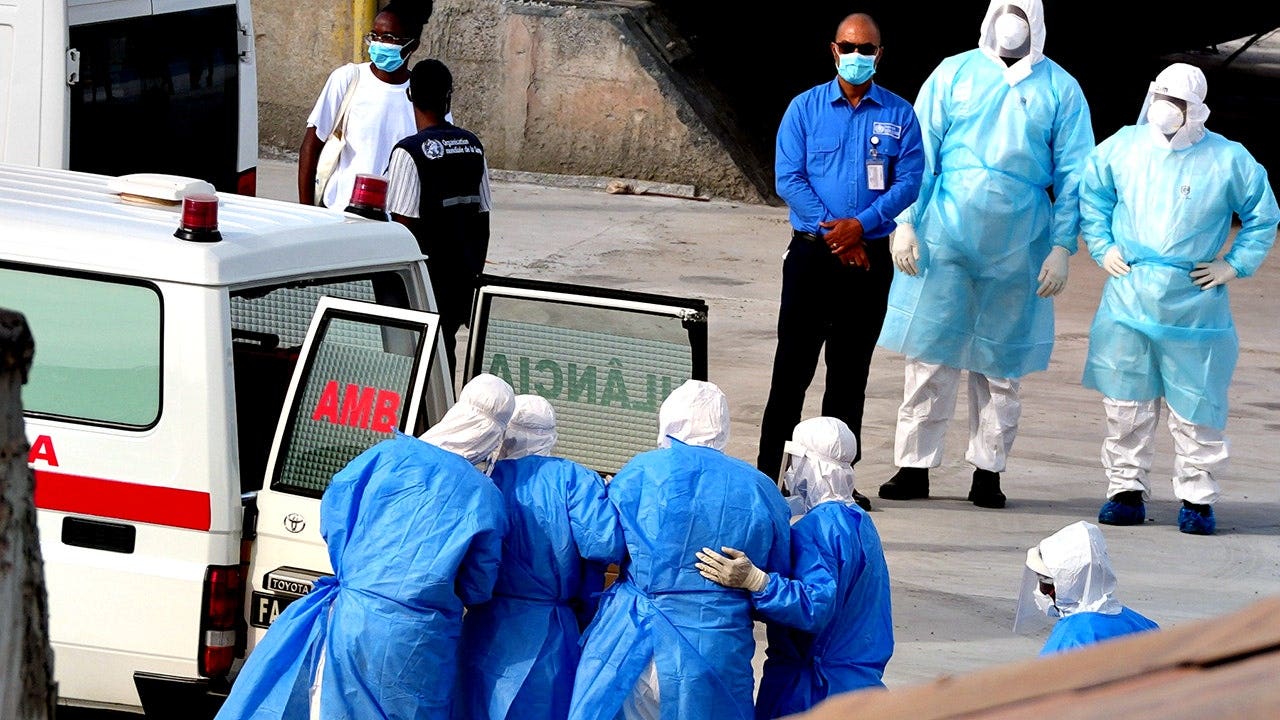


Hantavirus Outbreak on Cruise Ship Leads to Passenger Evacuations
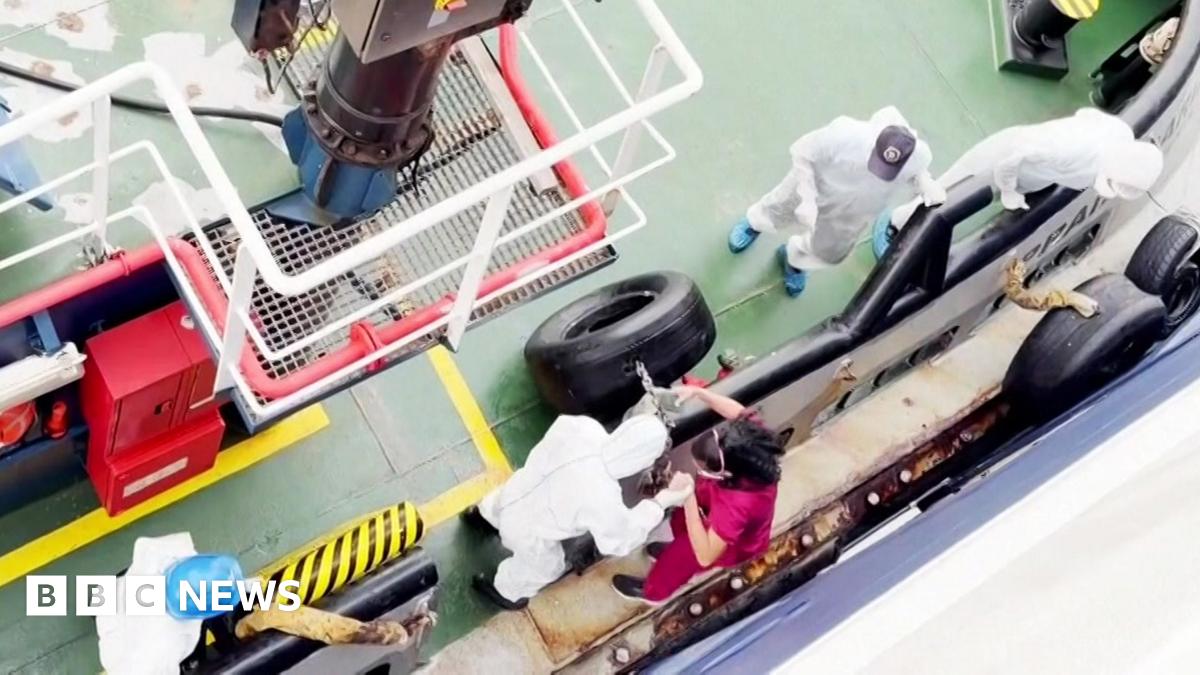
WHO suspects rare human-to-human hantavirus transmission on cruise ship as three die

Pokémon GO Tests ‘Evergreen Weeks’ Branching Research to Fill Event Gaps
