Miami's Hard Rock Stadium Loses Super Bowl Eligibility as Sports Complex Expands
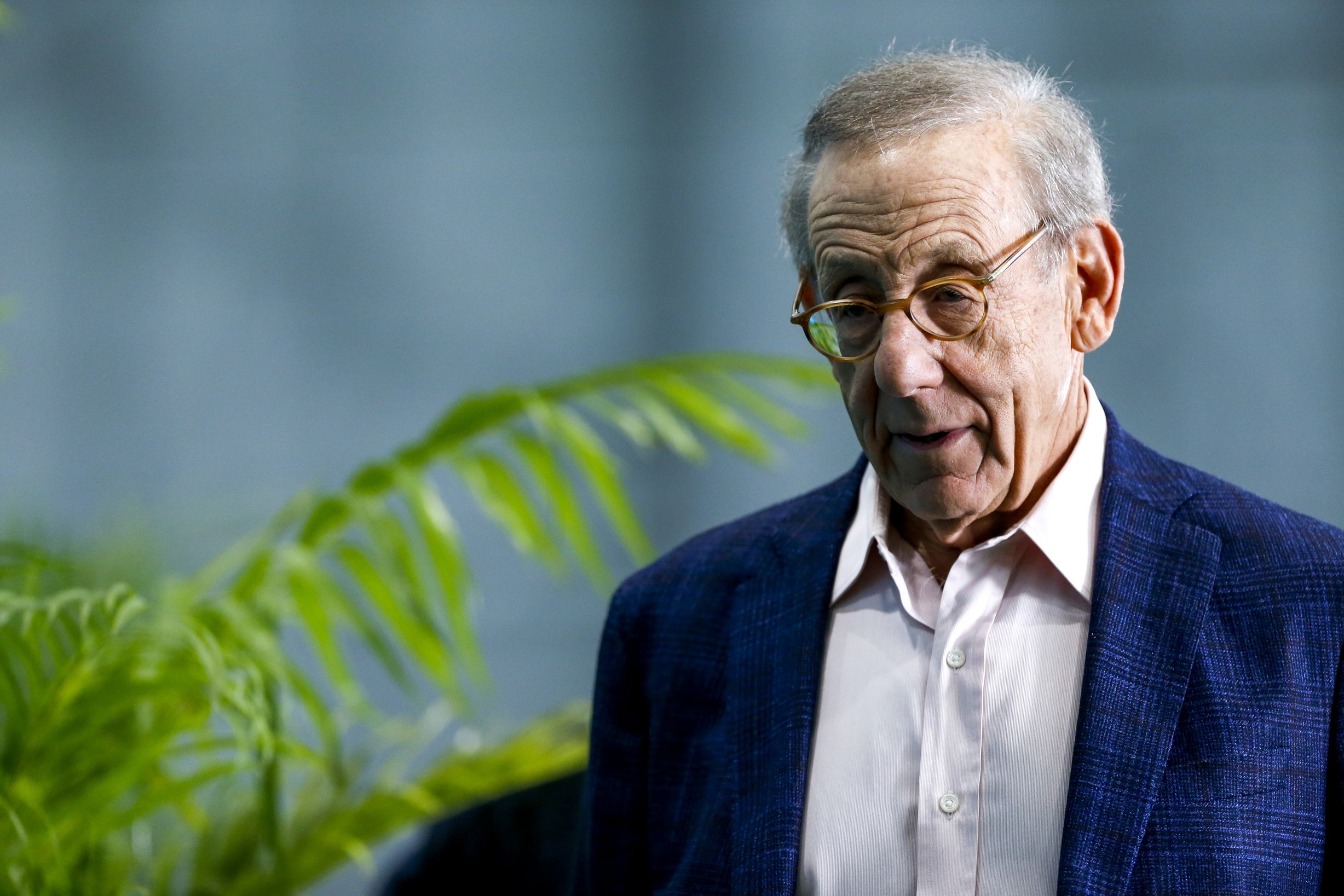
Owner Stephen Ross says the NFL no longer considers the venue suitable for the championship game, citing changes to the surrounding area for events like F1 and the Miami Open.

UNITED KINGDOM —
Key facts
- Miami has hosted 11 Super Bowls, tied with New Orleans for the most in NFL history.
- The last Super Bowl in South Florida was Super Bowl LIV in 2020 between the Chiefs and 49ers.
- Owner Stephen Ross stated the NFL does not believe Hard Rock Stadium meets all requirements and demands.
- The area around the stadium has been reconfigured to accommodate the Miami Open and Formula 1 events.
- Ross paid for stadium upgrades himself after failing to secure public financing.
- The next three Super Bowls are awarded to Los Angeles (2027), Atlanta (2028), and Las Vegas (2029).
- Nashville is expected to receive a Super Bowl as part of taxpayer funding for a new stadium.
- Miami's previous gap between Super Bowls was 10 years (2010 to 2020), a record now likely to be broken.
A Decade-Long Drought Deepens
Miami has hosted 11 Super Bowls, tied with New Orleans for the most in NFL history. But the city will not add a 12th anytime soon. Owner Stephen Ross acknowledged this week that Hard Rock Stadium no longer meets the league's requirements for hosting the championship game. The most recent Super Bowl in South Florida was Super Bowl LIV in 2020, when the Kansas City Chiefs defeated the San Francisco 49ers. That game ended a 10-year gap caused by the need for major stadium upgrades, including a giant roof to protect fans from rain that plagued Super Bowl XLI in 2007. Now, a new obstacle has emerged: the transformation of the stadium's surroundings into a year-round sports and entertainment complex.
The Price of Diversification
Ross, speaking at a business conference, explained that the stadium's environs have been reshaped to host the annual Miami Open tennis tournament and Formula 1 races. These additions, while boosting the venue's profile, have inadvertently made it less attractive for the NFL's flagship event. "The one thing that suffered is Miami hasn't gotten a Super Bowl here, and we normally have one every five years," Ross said, in comments reported by the South Florida Business Journal. "Miami is not really in line for one." He added that the league does not believe the venue "meet all the requirements and the demands," despite Miami's favorable weather and historical significance.
Ross's Investment and Succession Plans
Ross, who previously attempted to secure public financing for stadium upgrades before paying for them himself, has not given up hope. "We are looking at how to make improvements," he said. "I want to make the stadium always feel like a new stadium." His son-in-law, Daniel Sillman, who is increasingly involved in running the team as Ross's eventual successor, expressed confidence that a solution exists to satisfy the league's expectations. Sillman, also CEO of Relevent, spoke alongside Ross at the conference. Ross's willingness to self-fund upgrades underscores the financial stakes involved in maintaining a modern venue capable of hosting elite events.
Competition from Newer Venues
The NFL has already awarded the next three Super Bowls: Los Angeles (2027), Atlanta (2028), and Las Vegas (2029). Nashville, which is building a new stadium with taxpayer money, is expected to receive a Super Bowl as part of the typical quid pro quo for public funding. Miami's drought is part of a broader trend. As more cities build state-of-the-art, often domed stadiums, the league has more options and can demand higher standards. Indoor venues in colder climates now compete with Miami's traditional weather advantage. Ross noted that Miami has "by far the best weather" and that it is "in their best interest to have one here," but acknowledged the league's current stance.
A Record Gap Likely to Be Broken
Miami's previous 10-year gap between Super Bowls (2010 to 2020) was an anomaly driven by the need for renovations. That record now appears destined to fall, with no end to the current drought in sight. South Florida remains tied with New Orleans for the most Super Bowls hosted, but that distinction may soon be surpassed as other cities secure repeat events. Los Angeles and Las Vegas, in particular, are expected to host regularly. For now, Hard Rock Stadium will continue to host the Dolphins, the Miami Open, and F1, but the Super Bowl — once a fixture every five years — has become a distant memory.
The Broader Implications for Host Cities
Ross's comments highlight a growing pressure on cities to invest in stadium infrastructure to remain competitive for major events. The NFL's leverage increases as newer venues come online, forcing owners to either fund upgrades themselves or seek public subsidies. Miami's situation illustrates a paradox: the same improvements that make a stadium a year-round destination can also disqualify it from hosting the league's premier event. The NFL's requirements extend beyond the stadium itself to the surrounding area, which must be configured specifically for Super Bowl logistics. As Ross put it, the league's demands are tied to "all the other events" that now call Hard Rock Stadium home. The very success of the complex has cost Miami its place in the Super Bowl rotation.
The bottom line
- Miami's Hard Rock Stadium is no longer considered suitable for the Super Bowl due to changes in the surrounding area for other events.
- Owner Stephen Ross is exploring further improvements but acknowledges the NFL's current stance.
- The next three Super Bowls are already assigned to Los Angeles, Atlanta, and Las Vegas, with Nashville likely to follow.
- Miami's 10-year gap between Super Bowls (2010-2020) is expected to be exceeded, with no return in sight.
- The trend favors newer, often publicly funded stadiums, increasing pressure on cities to invest or lose out on hosting the game.
- Miami remains tied with New Orleans for the most Super Bowls hosted (11), but that record may soon be broken.


Ipswich Town Return to Premier League After 3-0 Victory Over QPR
Arsenal Open Six-Point Lead Over Manchester City as Gyokeres Double Fuels Title Charge

Premier League Relegation Battle Intensifies as 40-Point Safety Mark Looms
