Home Office Recognises Mohamed Al Fayed Abuse Victim as Modern Slavery Victim for First Time
Rachael Louw says she feels 'vindication' as UK government acknowledges she was trafficked and sexually exploited by the former Harrods owner and his brother.
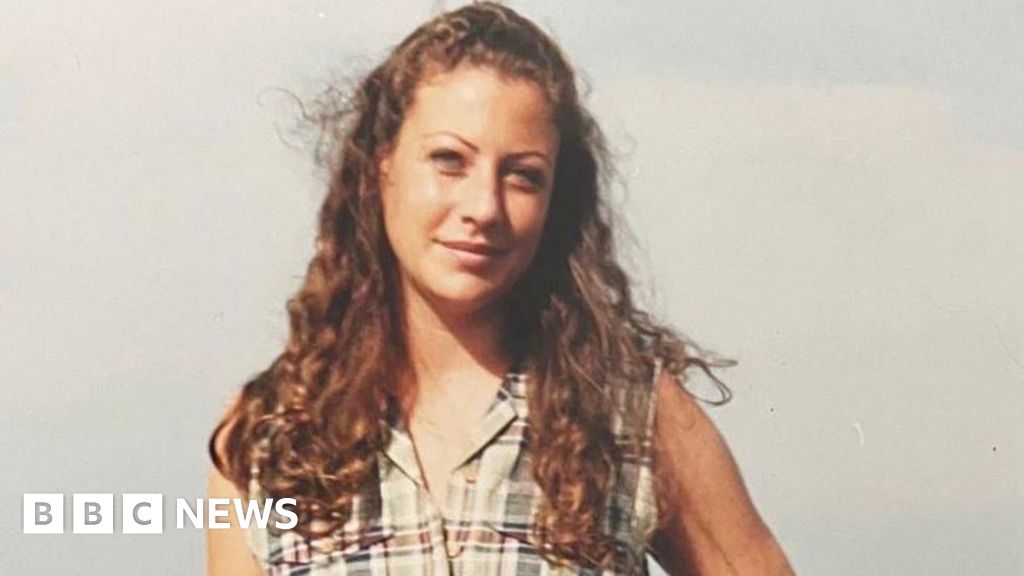
UNITED KINGDOM —
Key facts
- Rachael Louw was trafficked and abused by Mohamed Al Fayed and his brother Salah.
- The Home Office issued a positive 'conclusive grounds' decision, confirming Louw as a victim of modern slavery.
- At least three other women have been referred to the National Referral Mechanism and expect similar rulings.
- Legal experts say such decisions lend credibility to witnesses in criminal court and may influence police investigations.
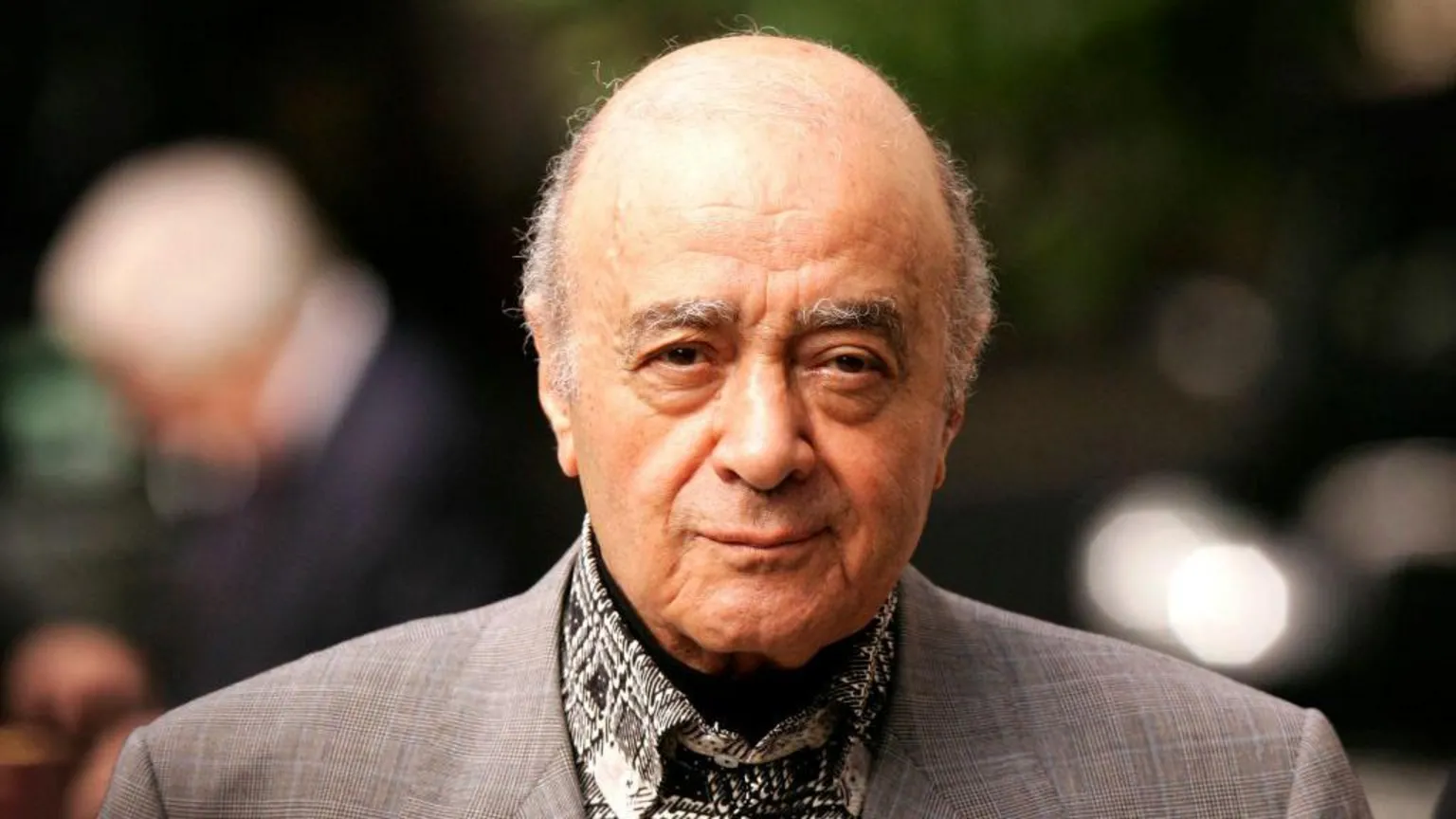
- Mohamed Al Fayed died in 2023 aged 94 without facing charges; his brother Salah died in 2010.
- A group of 50 survivors is calling for 'meaningful consequences' for those who facilitated the abuse.
- More than 220 people engaged with Harrods' compensation scheme; payments have been made to 70 individuals.
- The survivors' group is supported by actor Richard Gere, Dame Vera Baird, Gloria Allred, and Gina Martin.
A Landmark Decision for a Survivor
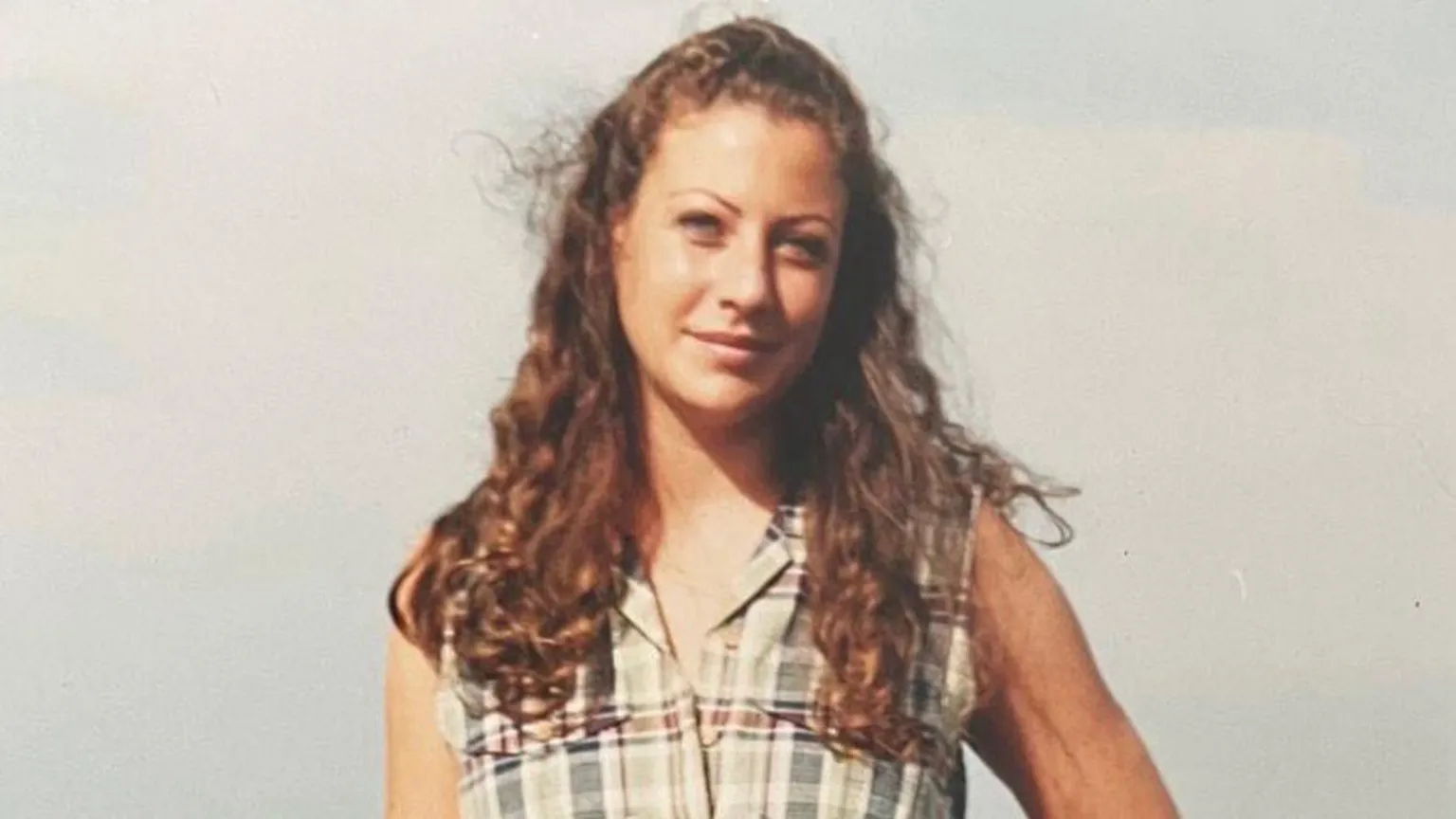
The Home Office has for the first time formally acknowledged that a woman abused by Mohamed Al Fayed was a victim of modern slavery, according to sources familiar with the case. Rachael Louw, who has waived her right to anonymity, was trafficked and suffered abuse at the hands of the former Harrods owner and his brother Salah. She describes the decision as 'vindication' and 'validation' that her ordeal has been recognised by the British government. Louw's conclusive grounds determination states that the Home Office found she had been subjected to sexual exploitation in the UK and in multiple areas of France over a three-year period. The National Referral Mechanism, introduced in 2009, is used to identify potential victims of exploitation, human trafficking and modern slavery. First responders — including police officers, social workers and charity workers — can refer individuals if they suspect such abuse.
The Legal Significance of the Ruling
Where an individual receives a positive 'conclusive grounds' decision, they are considered a confirmed victim of modern slavery. such a decision lends credibility to witnesses in a criminal court and may affect how police investigate a case. The Modern Slavery Act 2015 defines human trafficking as arranging or facilitating travel for the purpose of exploitation. Louw's case was referred by the anti-slavery charity Unseen, with support from the survivor campaign group No One Above. She says she would not have been able to go through the process without that assistance. At least four women linked to Al Fayed abuse have been granted positive 'reasonable grounds' decisions, the first stage, and are awaiting final rulings.
Survivors Demand Accountability Beyond Compensation
A group of 50 survivors, calling themselves Justice for Fayed and Harrods Survivors, is demanding 'meaningful consequences' for those they claim facilitated and ignored the abuse. 'If they think the money is the important factor they are so far off the mark,' said Jen Mills, a member of the group who started working for Al Fayed at Harrods as a 16-year-old. The group wants Harrods to release the findings of an internal investigation into what staff knew. They also call for more regulation of HR professionals overseeing hiring and an explanation of why the Metropolitan Police and General Medical Council did not investigate women's complaints at the time. 'It's not just about what happened to us, it's about making sure that this stops and that this doesn't get to continue to the generations coming through,' Mills said.
Harrods' Compensation Scheme and Its Limits
Harrods last month closed a compensation scheme set up after dozens of women came forward with allegations of abuse by the late entrepreneur, following the BBC documentary Al Fayed: Predator at Harrods. A spokesperson for Harrods said the scheme 'represents only one form of redress available to survivors' and was designed to provide resolution without protracted legal processes. More than 220 people engaged with the scheme, and payments have already been made to 70 individuals, with further claims being processed. However, some survivors have not participated, including those who previously accepted compensation. Mills, who is part of a separate group claim led by KP Law, said she would have been unhappy engaging with a scheme run by a company that still employs people from Al Fayed's era. 'They are marking their own homework,' she said.
Wider Context: Hundreds of Allegations, No Prosecutions
Hundreds of women have accused Al Fayed of rape, sexual assault and trafficking during his ownership of Harrods from 1985 to 2010. Several women have made the same allegations against his brother Salah. Mohamed Al Fayed died in 2023 aged 94 without ever facing charges; Salah died in 2010. The survivors' group, supported by actor Richard Gere, former victims commissioner Dame Vera Baird, and women's rights advocates Gloria Allred and Gina Martin, is to meet Prime Minister Keir Starmer. They want a committee of MPs to push forward an investigation into what happened at Harrods and why many involved have yet to be prosecuted. Lindsay Mason, who was offered a job by the department store at age 20 after being spotted on the street, said: 'Young people in a corporate environment are fresh meat and we were just thrown to the wolves.'
What Comes Next for Survivors and the Investigation
Louw sees the Home Office decision as the first step in bringing to justice those she says facilitated the trafficking and abuse. The conclusive grounds ruling may strengthen the legal standing of survivors in potential criminal proceedings. The survivors' group is pressing for Harrods to disclose its internal investigation findings and for regulatory changes to protect young workers. With the compensation scheme now closed, attention turns to whether the Metropolitan Police will reopen investigations or if the Crown Prosecution Service will consider charges against any living individuals. The meeting with Prime Minister Starmer signals that the issue has reached the highest levels of government, but concrete outcomes remain uncertain.
A Story of Systemic Failure and Survivor Resilience
The case of Rachael Louw and the broader allegations against Mohamed Al Fayed expose a decades-long pattern of abuse that went unchecked despite numerous complaints. The Home Office's modern slavery ruling is a rare official acknowledgment that the abuse constituted trafficking under UK law. Yet for many survivors, the lack of criminal accountability for Al Fayed and the unanswered questions about who enabled him remain a bitter reality. As the survivors' group continues to push for transparency and justice, their campaign highlights the gaps in protections for young workers and the failures of institutions — from the police to the General Medical Council — to act on warnings. The fight for accountability, they insist, is far from over.
The bottom line
- The Home Office has issued its first positive conclusive grounds decision for a victim of Mohamed Al Fayed, recognising modern slavery.
- Rachael Louw's case sets a precedent that could aid other survivors in criminal proceedings.
- A group of 50 survivors is demanding Harrods release internal investigation findings and that individuals who facilitated abuse be held accountable.
- Harrods' compensation scheme paid 70 people, but some survivors refused to participate, citing lack of trust.
- Hundreds of women have accused Al Fayed of abuse, but he died without facing charges; his brother also died unprosecuted.
- Survivors are meeting Prime Minister Keir Starmer to push for a parliamentary investigation into the scandal.

Phil Salt injury clouds RCB's top-order firepower ahead of crucial GT clash
Ulster Edge Exeter in Challenge Cup Semi-Final Thriller

Farringdon Station Evacuated After Suspected Gas Leak; 14 Treated, Two Hospitalized
