Eta Aquarid Meteor Shower Peaks May 5-6: Up to 50 Meteors Per Hour Possible in Southern Hemisphere
Earth passes through debris from Halley’s Comet, but a bright waning gibbous moon may limit visibility for northern observers.
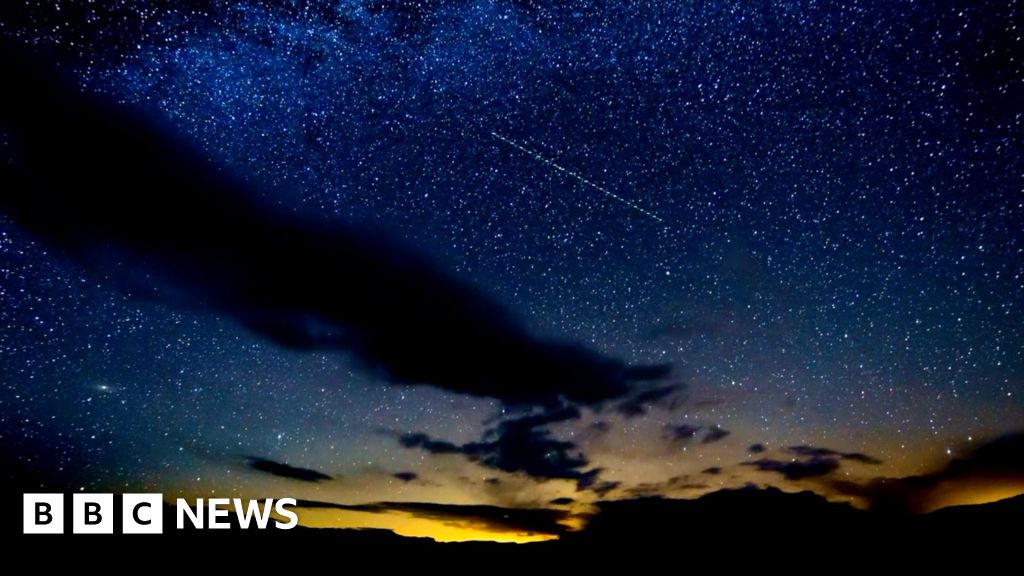
UNITED KINGDOM —
Key facts
- Eta Aquarid meteor shower active from April 19 to May 28, 2026.
- Peak night: May 5-6, with best viewing before dawn on May 6.
- Southern hemisphere tropics: up to 50 meteors per hour under ideal conditions.
- Northern hemisphere: 10-30 meteors per hour, but moon may reduce count to under 10.
- Moon is 84% lit, waning gibbous, rising after midnight on peak night.
- Radiant located in constellation Aquarius, rising east about three hours after midnight.
- Meteors leave persistent glowing trains; best viewed 40 degrees from radiant.
- Halley’s Comet is the source of the debris stream.
Peak Viewing Window and Global Disparity
The Eta Aquarid meteor shower reaches its peak overnight on May 5-6, 2026, offering skywatchers a chance to see fragments of Halley’s Comet burn up in Earth’s atmosphere. The shower has been active since April 19 and will continue until May 28, but the highest meteor rates are expected during the predawn hours of May 6. Viewing conditions vary dramatically by latitude. In the southern hemisphere tropics, observers could see up to 50 meteors per hour under clear, dark skies, according to the American Meteor Society. For northern hemisphere viewers, the forecast is less generous: 10 to 30 meteors per hour are possible, but in practice the number may be far lower. The primary obstacle is the moon. On the night of May 5-6, a waning gibbous moon 84% illuminated will rise above the southeastern horizon shortly after midnight. Its bright light will wash out fainter meteors, potentially reducing the visible hourly rate to under 10 for those in the northern hemisphere.
How to Locate the Radiant and Maximize Sightings
To spot Eta Aquarid meteors, first find the shower’s radiant in the constellation Aquarius. For stargazers in the United States, Aquarius rises above the eastern horizon to the left of the moon roughly three hours after midnight. Smartphone astronomy apps such as Stellarium or SkySafari 7 Pro can help pinpoint the radiant amid the lunar glare. Once the radiant is located, shift your gaze about 40 degrees away — approximately the width of four clenched fists held at arm’s length. Meteors appearing farther from the radiant tend to be longer and more dramatic, often leaving persistent glowing trains in their wakes. The best views come from dark locations away from city lights, with an unobstructed eastern horizon.
The Role of Halley’s Comet and the Debris Stream
The Eta Aquarid meteor shower occurs when Earth plows through a stream of debris shed by Halley’s Comet during its 76-year orbit around the sun. Each May, the planet encounters this trail of dust and ice particles, which burn up upon entering the atmosphere at high speed, creating bright streaks across the sky. Halley’s Comet last reached perihelion in 1986 and will not return to the inner solar system until 2061. However, its legacy continues annually in the form of two meteor showers: the Eta Aquarids in May and the Orionids in October. The particles that produce the Eta Aquarids are among the fastest of any meteor shower, entering the atmosphere at about 66 kilometers per second.
Photography and Public Engagement
For those hoping to capture the shower on camera, the Canon EOS R7 is recommended as a beginner-friendly option for astrophotography. General tips include using a tripod, a wide-angle lens, and long exposures. Space.com invites readers to submit their meteor photos to [email protected], along with name, comments, and location. While the naked eye remains the best tool for meteor watching, photography can reveal details invisible in real time. The shower’s persistent trains — ionized gas trails that glow for seconds after the meteor has passed — are particularly striking in long-exposure images.
Outlook and Advice for Observers
Despite the moon’s interference, dedicated observers in the northern hemisphere may still catch a handful of bright meteors during the early morning hours of May 6. The best strategy is to find a dark site, arrive well before midnight, and allow eyes to adapt to the darkness for at least 20 minutes. For southern hemisphere viewers, conditions are near-ideal, with the radiant high in the sky and the moon less intrusive. the southern tropics offer the highest rates. Regardless of location, patience is key: meteor showers are unpredictable, and bursts of activity can occur at any time.
The bottom line
- The Eta Aquarid meteor shower peaks on the night of May 5-6, 2026, with best viewing before dawn on May 6.
- Southern hemisphere observers may see up to 50 meteors per hour; northern hemisphere rates may drop below 10 due to a bright moon.
- The shower’s radiant is in Aquarius, rising east about three hours after midnight for U.S. viewers.
- Meteors are debris from Halley’s Comet, entering the atmosphere at 66 km/s and often leaving glowing trains.
- A waning gibbous moon (84% lit) will obscure fainter meteors, especially in the northern hemisphere.
- Photographers can submit images to [email protected]; the Canon EOS R7 is recommended for beginners.



In 'The Cage,' a Casino Heist Becomes a Devastating State-of-the-Nation Drama

Jill Halfpenny and Sally Lindsay Star in Channel 5's 'Number One Fan', a Stalker Thriller with Unexpected Twists
Neil Patrick Harris Stars in 'The Last Temptation of Becky' as Threequel Unveiled
