Prosecutor Confirms Suspect's Bullet Struck Secret Service Agent at White House Dinner
New forensic evidence definitively links Cole Tomas Allen to the shooting of a Secret Service officer, ending speculation about friendly fire.
UNITED KINGDOM —
Key facts
- Cole Tomas Allen, 31, charged with attempting to assassinate President Donald Trump.
- Secret Service officer shot at White House Correspondents' Dinner on April 24.
- Officer survived due to bulletproof vest; suspect's pellet found intertwined with vest fibers.
- US Attorney Jeanine Pirro confirmed the bullet was definitively from Allen's shotgun.
- Allen traveled by train from Los Angeles to Chicago to Washington, D.C., arriving April 24.
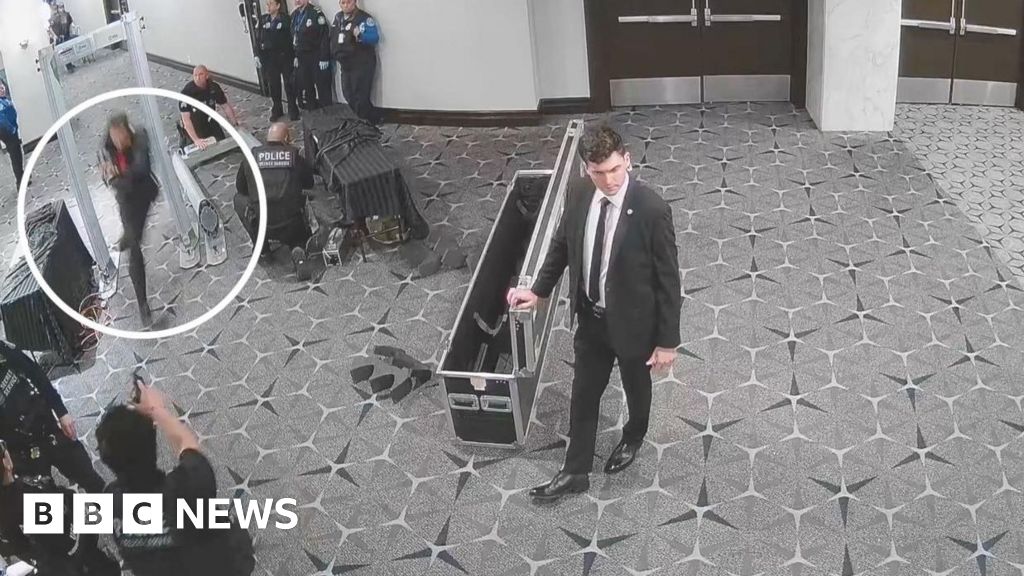
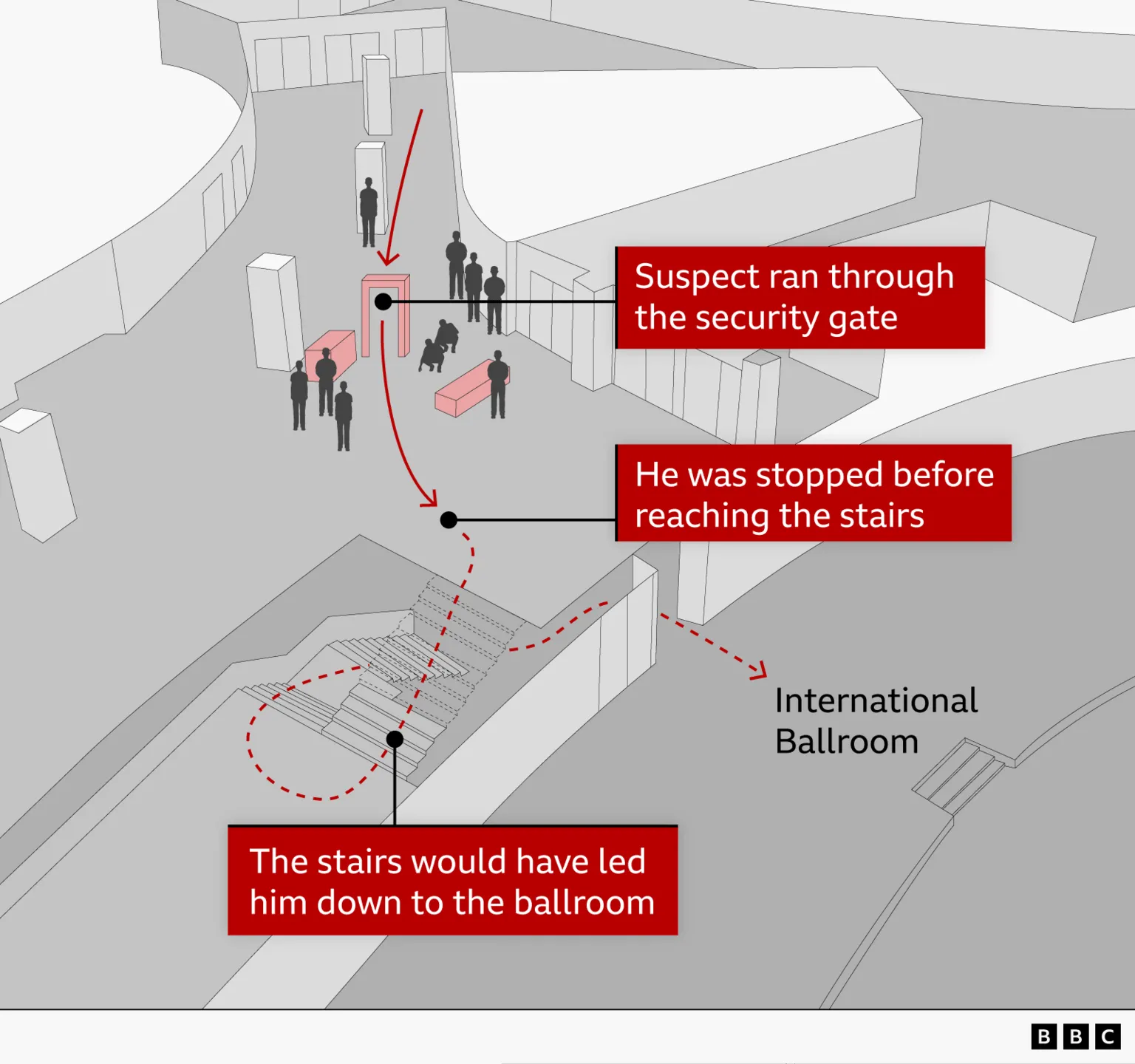
- Allen approached a security checkpoint on the hotel terrace during the dinner.
- Secret Service officer fired five times at Allen but did not hit him.
- Allen faces life in prison if convicted of attempted assassination.
Definitive Forensic Link Ends Friendly Fire Speculation
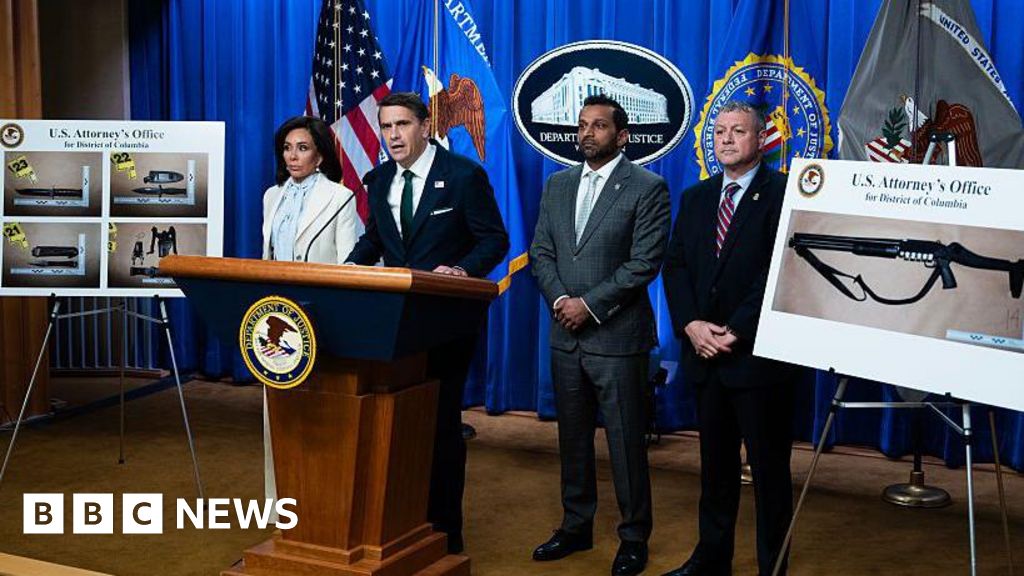
Federal prosecutors have confirmed that a bullet fired by the suspect Cole Tomas Allen struck a Secret Service agent during the White House Correspondents' Association dinner last month, definitively ruling out earlier speculation that the agent might have been hit by friendly fire. US Attorney for the District of Columbia Jeanine Pirro told CNN on Sunday that investigators found a pellet from Allen's shotgun "intertwined with the fiber" of the agent's bulletproof vest. "It is definitively his bullet. He hit at that Secret Service agent," Pirro said, adding that Allen "had every intention to kill him and anyone who got in his way, on his way to killing the president of the United States." The determination resolves a week of uncertainty about the source of the gunfire that erupted at the Washington Hilton on the night of April 24. President Donald Trump had initially told reporters that the agent was "shot from very close distance with a very powerful gun," but court documents filed by the Justice Department did not explicitly allege that Allen shot the officer. The new forensic evidence now provides a clear causal link and could lead to additional charges against the 31-year-old suspect.
The Night of the Attack: A Premeditated Plan Unfolds
Allen traveled by train from his home near Los Angeles to Chicago and then to Washington, D.C., arriving in the capital on April 24, the day before the dinner. He checked into a hotel and later approached a security checkpoint on the terrace of the Washington Hilton, one level above the ballroom where President Trump was speaking. As he charged the checkpoint, a Secret Service officer fired five times at Allen but did not strike him. Allen, however, discharged his firearm, hitting the officer in the chest. The officer survived because his bulletproof vest stopped the pellet. President Trump, speaking at a news conference the night of the incident, said the agent "was shot from very close distance with a very powerful gun." The Justice Department swiftly named Allen as the suspect and filed charges, including attempting to assassinate Trump, transportation of a firearm across state lines with intent to commit a felony, and discharge of a firearm during a crime of violence. A conviction on the attempted assassination charge carries a mandatory sentence of life in prison.
Contradictory Statements and the Pressure of a High-Profile Investigation
In the days following the shooting, public statements from law enforcement and prosecutors appeared contradictory. While President Trump and other top officials said a Secret Service officer had been shot, the court documents filed by government attorneys did not explicitly allege that Allen shot the officer. This discrepancy fueled speculation that the officer might have been struck by friendly fire—a theory that US Attorney Jeanine Pirro later dismissed. "There's this insatiable public interest in the case, pressure to get information out to the public," said Mark Lesko, a former US Attorney for the Eastern District of New York. "But on the other hand, you want to conduct a thorough investigation, which could take weeks in a case like this." Lesko warned that any inaccuracies in early public statements could open the door for defense attorneys to poke holes in the case. The Secret Service and the US Attorney's office for the District of Columbia declined to comment on the evolving nature of the evidence. The BBC contacted the Justice Department for comment but did not receive a response.
Forensic Evidence and the Path to Additional Charges
The key piece of evidence that ended the friendly fire speculation was a pellet from Allen's shotgun that was found "intertwined with the fiber" of the agent's vest, as Pirro described. This forensic link confirms that Allen's weapon was the source of the bullet that struck the officer. Pirro characterized the attack as "a premeditated, violent act, calculated to take down the president, and anyone who was in the line of fire." The determination could lead to additional legal charges against Allen, beyond the three already announced by the Justice Department. The existing charges include attempting to assassinate the president, transportation of a firearm across state lines with intent to commit a felony, and discharge of a firearm during a crime of violence. Each carries severe penalties, and a conviction on the attempted assassination charge alone would result in a life sentence.
Wider Context: Political Violence and Security at Presidential Events
The attack at the White House Correspondents' Dinner has reignited debate about the security of high-profile political events and the rising threat of political violence in the United States. The incident occurred against a backdrop of heightened tensions surrounding President Trump's administration, with critics pointing to a climate of divisive rhetoric that may embolden extremists. The Secret Service, tasked with protecting the president, faced scrutiny over how Allen was able to approach a security checkpoint with a firearm. Allen's cross-country journey—from Los Angeles to Chicago to Washington—underscores the premeditated nature of the plot. He arrived in the capital the day before the dinner and checked into a hotel, suggesting careful planning. The fact that the Secret Service officer fired five times but missed raises questions about training and protocols, though officials have not commented on that aspect.
Open Questions and the Road Ahead
Despite the definitive forensic link, several questions remain unanswered. The court documents still do not explicitly accuse Allen of shooting the officer, though Pirro's statement suggests that charge is imminent. Defense attorneys may exploit the early contradictions in official statements to challenge the prosecution's narrative. The investigation is ongoing, and Lesko noted that it "could take weeks in a case like this" to gather all evidence. The public first learned from President Trump that a Secret Service officer had been shot, a disclosure that some legal experts say was premature. The Justice Department has not commented on whether additional charges will be filed. Allen remains in custody, and his next court appearance has not been scheduled. The case will likely test the ability of law enforcement to maintain a coherent narrative under intense public scrutiny.
A Calculated Assault on Democracy
The attempted assassination at the White House Correspondents' Dinner represents a direct assault on the democratic process, targeting not only the president but also the journalists and officials gathered to celebrate the First Amendment. The fact that a Secret Service agent was shot while protecting the president underscores the risks faced by those who serve on the front lines of presidential security. Pirro's characterization of the attack as "premeditated" and "calculated" leaves no doubt about the intent behind Allen's actions. As the legal process unfolds, the case will serve as a stark reminder of the fragility of political security and the ever-present threat of violence in polarized times. The swift confirmation of Allen's guilt in the shooting of the agent provides some clarity, but the broader implications for national security and public discourse remain deeply troubling.
The bottom line
- Forensic evidence confirms that suspect Cole Tomas Allen's bullet struck a Secret Service agent, ending friendly fire speculation.
- Allen traveled cross-country by train from Los Angeles to Washington, D.C., arriving the day before the dinner.
- The agent survived because his bulletproof vest stopped the pellet; the suspect's shotgun pellet was found embedded in the vest fibers.
- Allen faces life in prison if convicted of attempted assassination, along with other federal charges.
- Early contradictory statements from officials could be exploited by the defense, but the forensic link strengthens the prosecution's case.
- The attack highlights ongoing concerns about political violence and security at high-profile events.



Quebec Rolls Out Digital Health Record Amid Warning of 'Bugs'

Colin Farrell on Grief, Fatherhood, and the Magical Journey of 'A Big Bold Beautiful Journey'
ITV’s ‘Secret Service’ spy thriller ends with husband unmasked as Russian mole