Virus-Hit Cruise Ship Diverted to Canary Islands Amid Local Opposition
Three passengers evacuated as Spanish authorities permit docking, overriding regional concerns over potential outbreak.
UNITED KINGDOM —
Key facts
- Three suspected hantavirus patients evacuated from MV Hondius.
- Evacuees include nationals from Britain, the Netherlands, and Germany.
- MV Hondius is en route to the Canary Islands from Cape Verde.
- The journey to the Canary Islands is expected to take three days.
- 145 remaining passengers and crew are reported to be asymptomatic.
- The President of the Canary Islands expressed opposition to the ship docking.
- Spanish interior minister stated there is "no risk" to islanders.
Cruise Ship Diverted to Spanish Territory
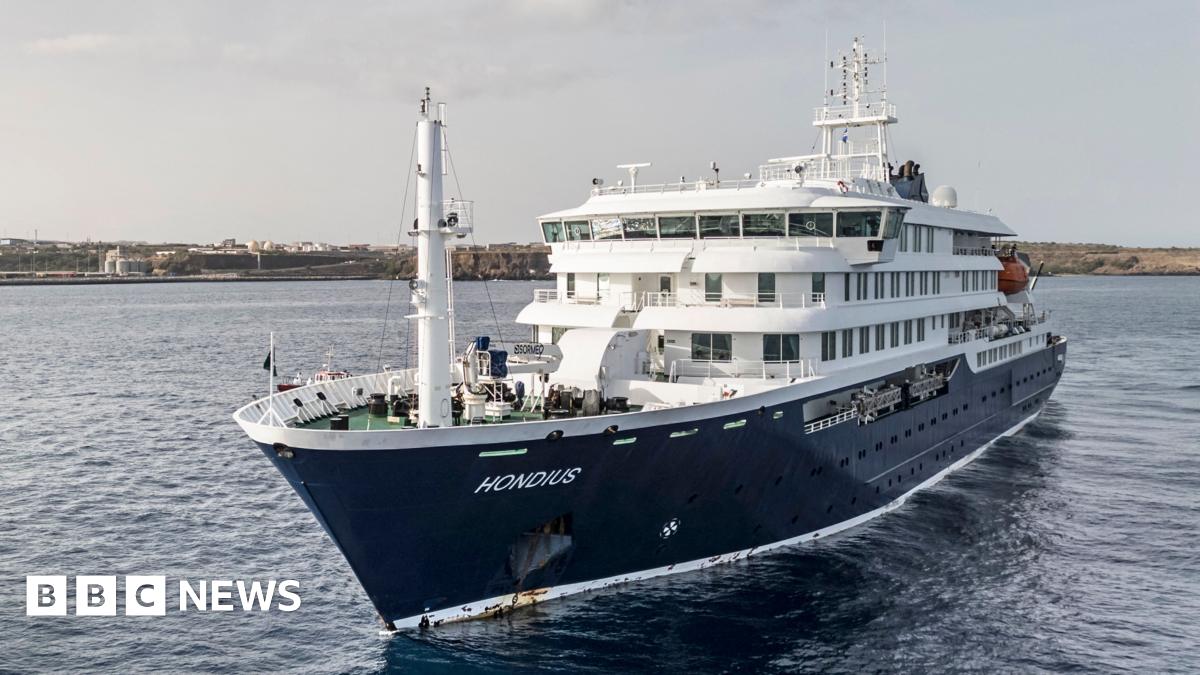
A cruise ship carrying suspected hantavirus patients is now heading for Spain's Canary Islands, a decision that has met with strong local opposition. Three individuals, identified as a British national, a Dutch citizen, and a German, were medically evacuated from the MV Hondius in Cape Verde earlier today. The ship, operated by Oceanwide Expeditions, is expected to arrive in the Canary Islands within three days. The Spanish government has confirmed that the vessel will be permitted to dock, a move that has drawn sharp criticism from the president of the Canary Islands. He stated he was not consulted on the decision and voiced significant concerns about the "very real" risk to the local population. Despite these reservations, the ship's operator asserts that all 145 remaining people on board are asymptomatic. Spain's interior minister has also sought to reassure the public, emphasizing that there is "no risk" to the islanders from the vessel's arrival.
Medical Evacuations and Health Status
The immediate crisis on board the MV Hondius saw three passengers requiring urgent medical attention. Their evacuation from Cape Verde marks a critical step in managing the suspected hantavirus outbreak that has affected the vessel. suggested the British national was a doctor, this has since been clarified as not being the case. Following the successful evacuation, Spanish authorities granted permission for the ship to continue its journey. The remaining nearly 150 individuals on board are reported to be free of symptoms, according to the cruise operator. This has been a key factor in the Spanish government's decision to allow the ship to dock. The World Health Organization (WHO) has previously highlighted that the risk to the general public from hantavirus is typically low, a point that may inform the Spanish government's stance.
Regional Opposition and Government Reassurance
The decision to allow the MV Hondius to dock in the Canary Islands has been met with significant resistance from the regional government. The president of the islands explicitly stated his opposition to the plan, emphasizing a lack of consultation and his apprehension regarding public health implications. This regional dissent underscores the delicate balance between managing a health incident at sea and addressing the concerns of a local population. The Canary Islands government had previously rejected the ship's plans to dock, signaling a clear divergence from the national government's directive. In response to these concerns, Spain's interior minister has publicly stated that there is no risk to the islanders, aiming to quell anxieties. The government's position appears to prioritize the continuation of the ship's journey under controlled conditions rather than prolonged uncertainty at sea.
Investigating the Outbreak's Origins
While the immediate focus is on the ship's arrival and passenger health, investigations are underway to pinpoint the source of the hantavirus outbreak. Officials in Argentina are reportedly examining whether a Dutch couple aboard the MV Hondius may have contracted the illness before boarding. Their inquiry centers on a potential exposure during a bird-watching trip to a specific location prior to embarking on the cruise. This line of investigation seeks to understand how the virus may have entered the contained environment of the ship. The ongoing search for the outbreak's origin highlights the complexities of tracing infectious diseases, particularly when they emerge during travel involving multiple locations and activities.
Navigating International Health Protocols
The situation with the MV Hondius highlights the intricate protocols governing international maritime travel and public health emergencies. The Spanish government's decision to permit docking, despite regional objections, suggests a framework that prioritizes national oversight in such matters. Allowing the ship to dock, even with passenger evacuations, provides a controlled environment for further assessment and management of the health situation. This contrasts with the potential risks associated with the ship remaining at sea or seeking alternative, potentially less equipped, ports. The incident serves as a reminder of the ongoing challenges in managing trans-national health threats, requiring coordination between national authorities, international health bodies, and private operators.
The bottom line
- Three passengers with suspected hantavirus were evacuated from the MV Hondius cruise ship.
- The ship is now en route to Spain's Canary Islands, with government permission to dock.
- The regional president of the Canary Islands opposed the docking, citing health risks.
- Spanish authorities maintain there is no risk to the local population.
- Investigations are ongoing to determine the origin of the hantavirus outbreak.
- The 145 remaining individuals on board are reported to be asymptomatic.


UK Proposes Rule Changes to Shield Summer Flights from Fuel Woes

Verstappen Faces Scrutiny Over 2026 Rules Criticism

Davey Todd Ruled Out of North West 200 After Medical Declares Him Unfit Following Daytona Crash
