Ted Turner, CNN Founder and Media Pioneer, Dies at 87
The broadcasting titan reshaped the news landscape with the launch of the world's first 24-hour cable news channel.
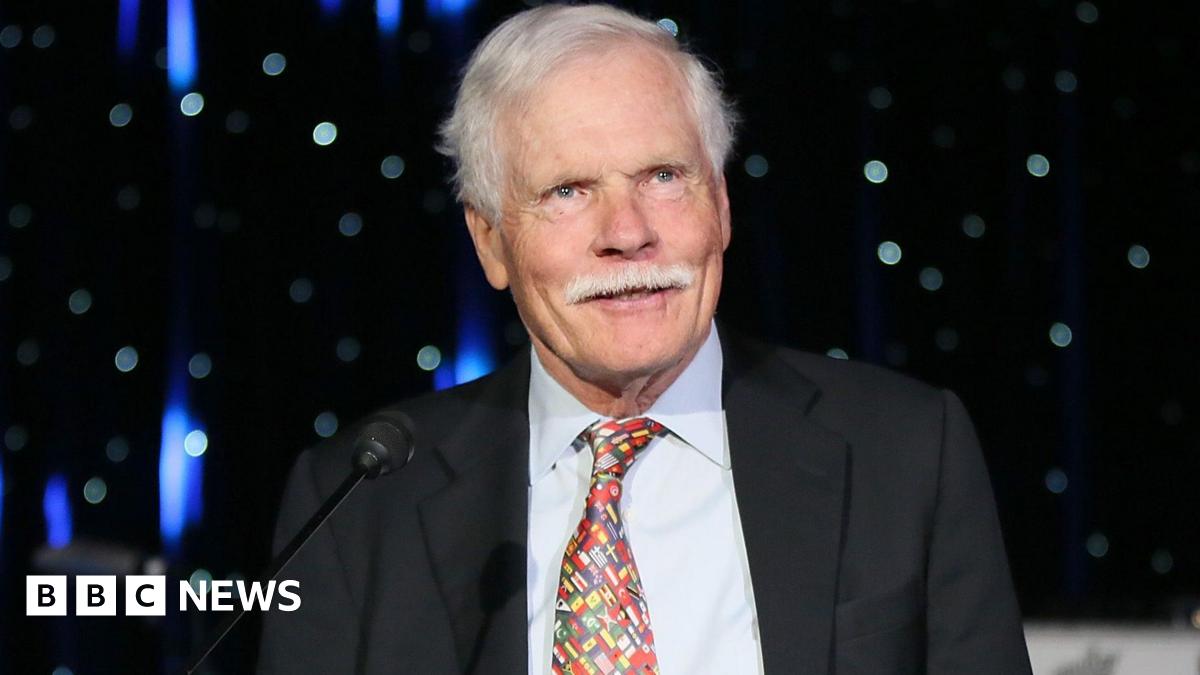
UNITED KINGDOM —
Key facts
- Ted Turner, founder of CNN, has died at the age of 87.
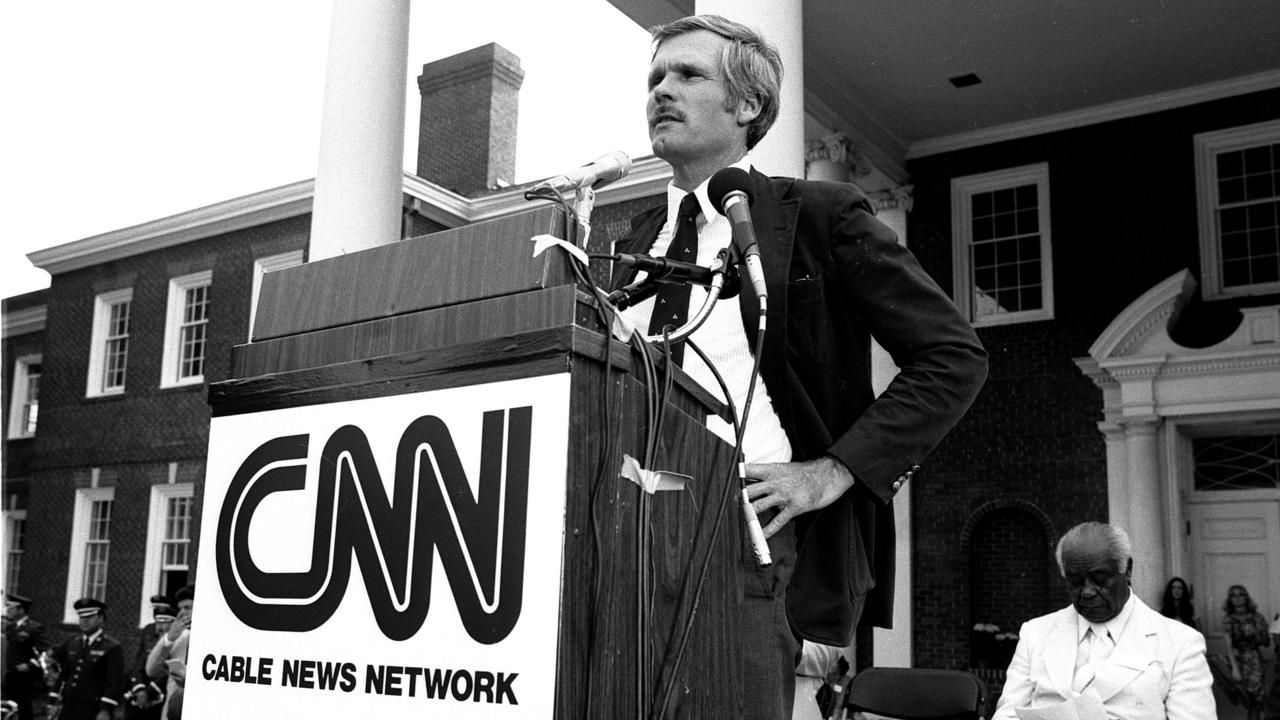
- He launched the Cable News Network (CNN) in 1980, pioneering the 24-hour news format.
- Turner revealed in September 2018 that he had been diagnosed with Lewy body dementia.
- He inherited his father's billboard business and later purchased a struggling Atlanta television station.
- CNN gained prominence with continuous coverage of events like the 1981 Reagan assassination attempt and the 1986 Challenger disaster.
- The network's coverage of the 1990-1991 Gulf War was a defining moment for rolling news.
- Turner Broadcasting System merged with Time Warner in 1996 for $7.5 billion.
A New Era in News
Media mogul Ted Turner, the visionary entrepreneur who fundamentally altered the global news landscape with the creation of CNN, has died at the age of 87. His passing marks the end of an era for a man whose ambition and daring established the modern 24-hour news cycle. Turner's legacy is inextricably linked to the launch of the Cable News Network in 1980, a venture that defied early skepticism to become a cornerstone of media consumption worldwide. Turner's groundbreaking approach transformed how information was disseminated, providing continuous updates that proved invaluable during pivotal historical moments. The network's rapid reporting on events such as the 1981 assassination attempt on U.S. President Ronald Reagan and the 1986 Challenger space shuttle disaster quickly established its relevance. However, it was the extensive live coverage from Iraq during the 1990-1991 Gulf War that truly cemented CNN's status as a global news powerhouse. His death was announced by CNN, the network he built from the ground up. While no cause of death was immediately disclosed, Turner Enterprises confirmed in a statement that he had been battling Lewy body dementia, a progressive neurological disease, which he had publicly revealed in September 2018.
From Billboards to Broadcasting Empire
Robert Edward "Ted" Turner III's journey to media titan began with a profound personal tragedy. He took over his father's faltering family billboard business in Atlanta, Georgia, after his father committed suicide due to financial difficulties. This inheritance provided the initial capital for Turner's burgeoning media ambitions. His early career saw him acquire radio stations before making a pivotal move into television in the 1970s by purchasing a struggling local station. This acquisition, in 1970, became the bedrock of what would evolve into the Turner Broadcasting System (TBS). Within a decade, the profits generated from this expanding enterprise were leveraged to fund the audacious launch of CNN. Turner's entrepreneurial spirit extended beyond news. He established other successful channels like TNT and Cartoon Network, and his empire grew to encompass sports franchises, including the Atlanta Braves, and even the MGM/UA movie studio. His ambition culminated in the 1996 merger of Turner Broadcasting System with Time Warner, a deal valued at $7.5 billion, though he later found it challenging to adapt to the corporate structure of the larger entity.
A Fearless and Outspoken Leader
Mark Thompson, the current CEO and chairman of CNN, lauded Turner as "the giant on whose shoulders we stand," emphasizing his "intensely involved and committed" leadership. Thompson described Turner as "intrepid, fearless and always willing to back a hunch and trust his own judgement," asserting that he "will always be the presiding spirit of CNN." Turner's personality was as formidable as his business acumen. He was known for his outspoken nature and a penchant for making controversial statements, earning him the nickname "Mouth of the South." This brashness, however, was often coupled with a willingness to take risks and a deep conviction in his own vision. He once quipped, "If only I had a little humility, I’d be perfect." Even U.S. President Donald Trump, a frequent critic of the modern CNN, offered a tribute, calling Turner "one of the greats of broadcast history, and a friend of mine." Trump noted that Turner was "always willing to fight for a good cause!" and expressed personal devastation over the sale of CNN, believing the "new ownership took CNN, his ‘baby,’ and destroyed it."
Challenging the Establishment
The launch of CNN in 1980 was met with considerable skepticism. Rivals and critics derided the nascent network, mockingly calling it the "Chicken Noodle Network" and predicting its swift demise. The concept of a dedicated 24-hour news channel was radical in an era dominated by traditional broadcast networks with fixed programming schedules. Turner's determination to establish CNN's credibility was evident in his early battles. He famously sued the Reagan Administration to secure access to the White House press pool, asserting his right to equal footing with established news organizations. This aggressive stance underscored his commitment to challenging the status quo and carving out a distinct space for his network. The network's persistence paid off, demonstrating its value through continuous reporting. Its success spurred the creation of competing outlets, including Rupert Murdoch's Fox News, launched in 1996, a testament to the transformative impact of Turner's innovation on the media industry.
Beyond the Newsroom: A Multifaceted Legacy
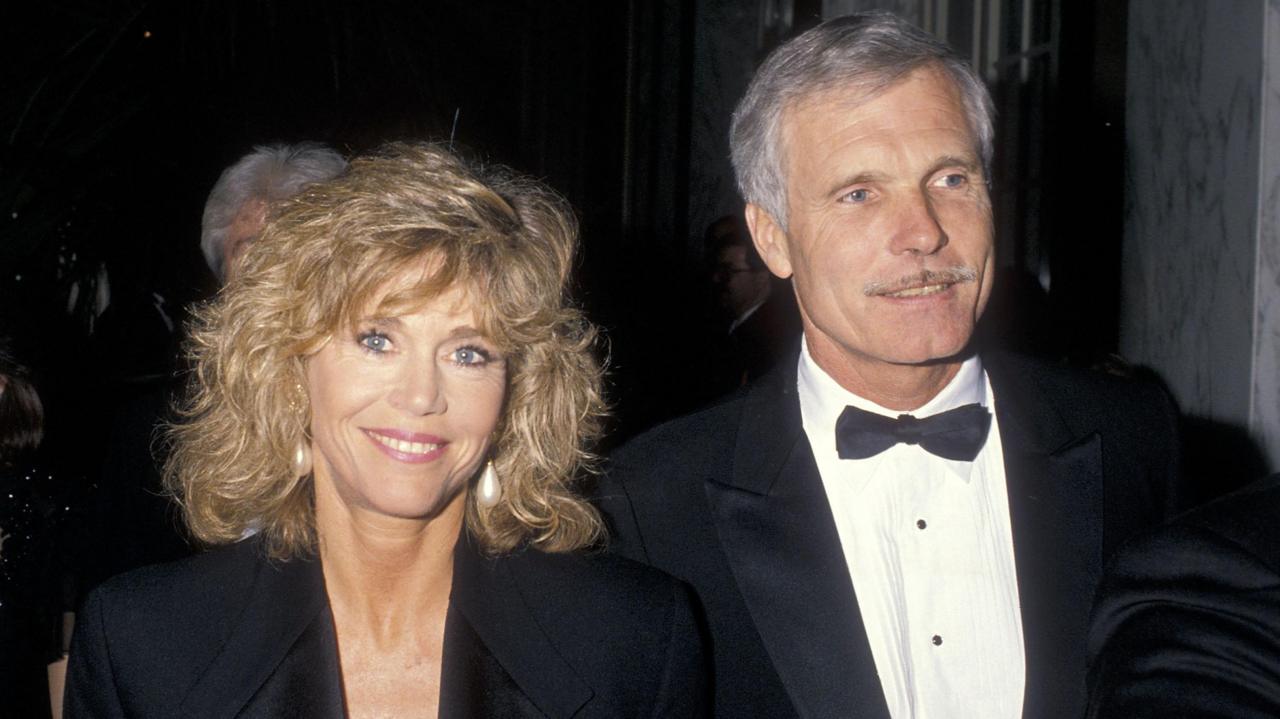
Ted Turner's influence extended far beyond the realm of news. He was a multifaceted figure whose interests spanned sports, conservation, and philanthropy. His ownership of the Atlanta Braves transformed the baseball team into a national franchise and revitalized interest in professional wrestling through the creation of World Championship Wrestling. In his personal life, Turner was married three times, including a notable union with actress Jane Fonda. He was also a passionate advocate for environmental causes, acquiring millions of acres of land across several states for preservation. His competitive spirit was further demonstrated by his leadership of a winning America's Cup yachting team. Governor Brian Kemp of Georgia, where CNN's main studio is located, acknowledged Turner as "a bold man, entrepreneur, and philanthropist, and even those who at times strongly disagreed with him respected him." This sentiment reflects a broader recognition of Turner's significant, albeit sometimes controversial, impact on American business and culture.
The bottom line
- Ted Turner revolutionized television news by launching the world's first 24-hour cable news channel, CNN, in 1980.
- His career began with his father's billboard business, evolving into a vast media empire that included TBS, TNT, and Cartoon Network.
- CNN proved its viability through continuous coverage of major global events, notably the 1990-1991 Gulf War.
- Turner was known for his bold, risk-taking business strategies and outspoken personality.
- He was a significant figure in sports ownership and a dedicated advocate for environmental conservation.
- Turner revealed his diagnosis of Lewy body dementia in 2018, a condition he battled until his death at 87.


May bank holidays reshape supermarket opening hours across the UK
Katy Perry Unveils Masked Met Gala Look, Returns After Four-Year Absence
Steve Davis, Musk’s Fixer, Emerges From Shadows in Unprecedented Media Blitz
