Trump Threatens to 'Blow Iran Off the Face of the Earth' as US Escalates Strait of Hormuz Operation
The US president's warning comes as Washington launches 'Project Freedom' to rescue hundreds of stranded ships, testing a fragile ceasefire.
UNITED KINGDOM —
Key facts
- President Trump claims US forces destroyed seven Iranian fast boats in the Strait of Hormuz.
- Iranian state media disputes the claim, reporting two small cargo vessels hit, killing five civilians.
- Shipping firm Maersk confirms its US-flagged vessel Alliance Fairfax exited the strait under US military protection.
- Over 800 ships and roughly 20,000 crew members remain stranded in the Gulf.
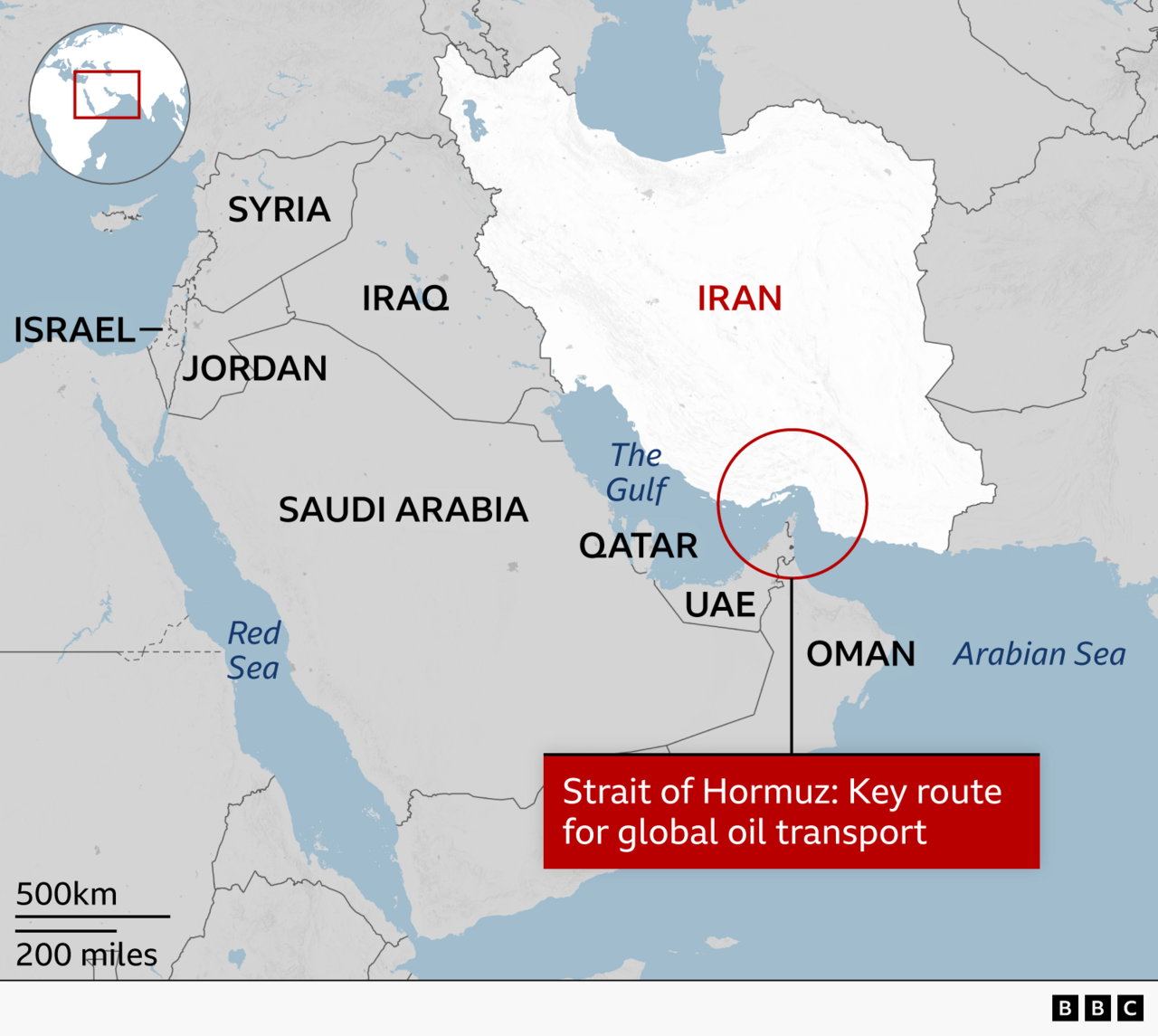
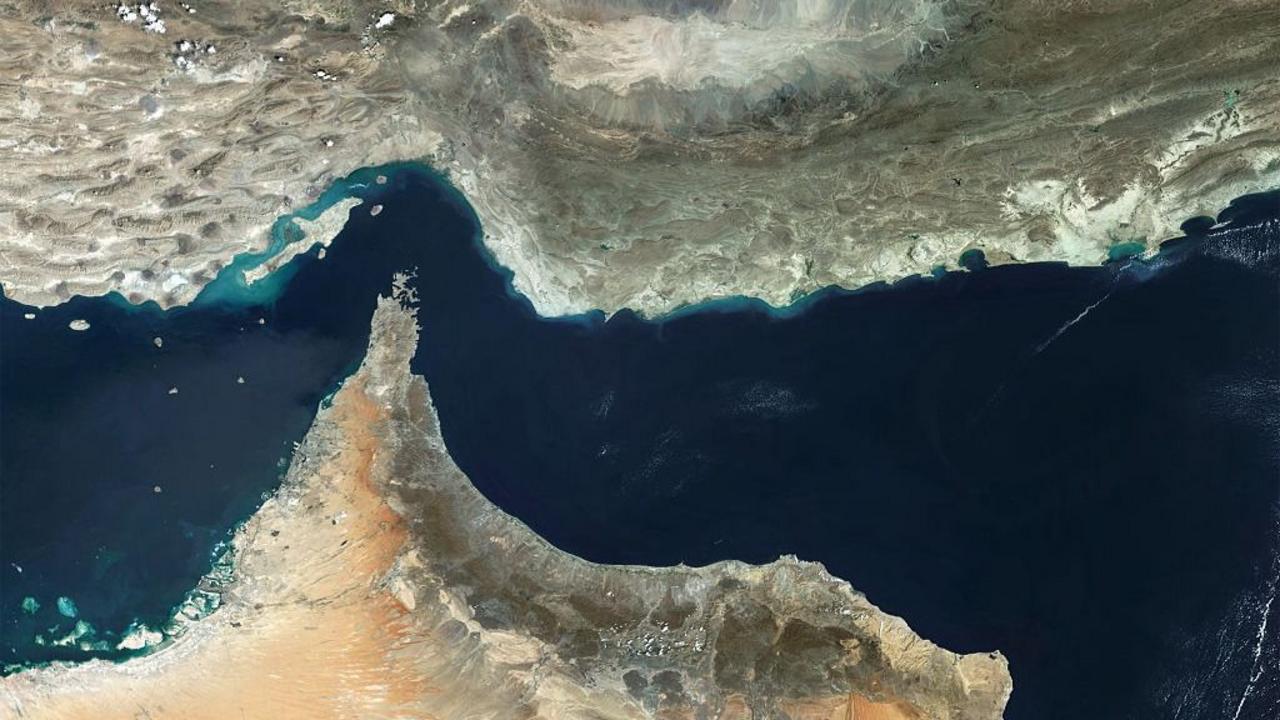
- The Strait of Hormuz carries about 20% of the world's oil and liquefied natural gas.
- A Pakistan-brokered ceasefire in April halted hostilities but failed to reopen the waterway.
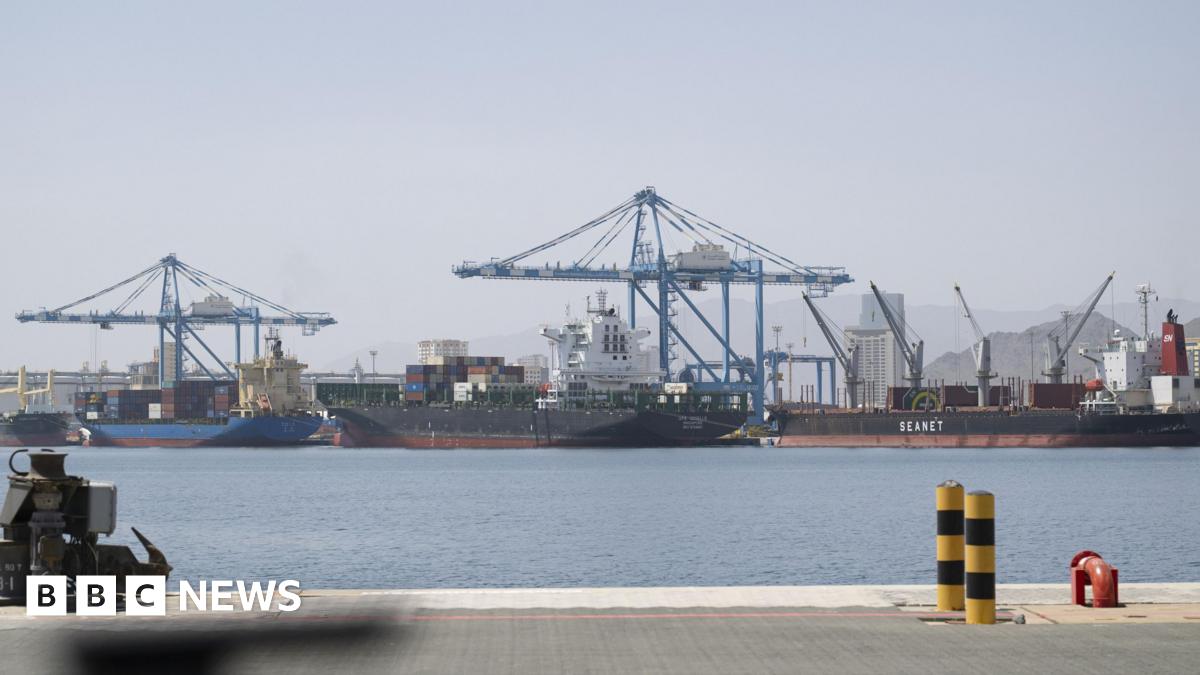
- strikes on ships in the strait on Monday; a fire broke out at Fujairah oil port after an Iranian attack.
US Launches 'Project Freedom' Amid Renewed Hostilities
The United States launched a military operation on Monday to guide stranded commercial vessels out of the Persian Gulf through the Strait of Hormuz, a waterway that has remained largely blocked since US and Israeli air strikes on Iran in February. President Donald Trump described the effort as 'one of the greatest military maneuvers ever done' and threatened that Iran would be 'blown off the face of the earth' if it attacked US vessels. The operation, dubbed 'Project Freedom,' came as the US military claimed to have destroyed six Iranian small boats and intercepted cruise missiles and drones. Iran denied the claims, with its military saying it fired warning shots at a US warship—a move the US military also denied. Shipping giant Maersk confirmed that one of its US-flagged vessels, the Alliance Fairfax, successfully exited the strait under US military protection. 'The vessel subsequently exited the Persian Gulf accompanied by US military assets,' the company said in a statement, adding that all crew members were safe.
Iran Reasserts Blockade as Tensions Spike
Tehran sought to reassert its blockade on the strait, which is a vital artery for global oil supplies. Iranian Foreign Minister Abbas Araghchi dismissed the US operation, stating, 'Project Freedom is Project Deadlock.' He added that events in the strait 'make clear that there's no military solution to a political crisis.' Earlier on Monday, Iran's military central command warned it would strike any US naval vessel approaching the strait and claimed to have hit a US frigate with two missiles. The US military denied the claim. Iranian state media, citing a military source, disputed Trump's announcement that US forces had struck seven fast boats. two small cargo vessels had been hit instead, killing five civilians.
Fragile Ceasefire Hangs by a Thread
The escalation calls into question the Pakistan-brokered ceasefire announced in early April, which halted drone and missile strikes between Iran and Gulf countries but failed to reopen the strait. Under the ceasefire, Iran ended its attacks on the UAE and other Gulf states, while the US imposed its own blockade on Iranian ports. Trump's latest threats echo his April warning that a 'whole civilization will die' if Tehran did not comply with his demands over the strait—comments that drew widespread backlash. In an interview with Fox News on Monday, Trump claimed Iranian officials had been 'far more malleable' in recent talks. Despite the ceasefire, few vessels have been able to transit the strait. US Central Command said Monday that US forces had redirected 50 commercial vessels amid the ongoing blockade.
Stranded Ships and Crews Face Uncertain Fate
Over 800 ships and roughly 20,000 crew members remain stranded in the Gulf, according to reports. The Maersk vessel Alliance Fairfax had been stuck since the US and Israeli attack on Iran at the end of February. strikes on ships in the strait on Monday. The UAE also said a fire broke out at the oil port of Fujairah after an Iranian attack. The Strait of Hormuz normally handles about a fifth of international oil supplies. Trump told Fox News that the US had 'more weapons and ammunition at a much higher grade than we had before' and that US bases worldwide were 'all stocked up with equipment.' He added, 'We can use all of that stuff, and we will, if we need it.'
Global Trade at Risk as Waterway Remains Closed
The Strait of Hormuz is a crucial chokepoint for global energy supplies, with about 20% of the world's oil and liquefied natural gas passing through it daily. The blockade, which began after US and Israeli air strikes on Iran in February, has disrupted global markets and raised fears of a broader conflict. Iran's response to the strikes—blocking the strait—has been a key tactic in its confrontation with the US. Tehran has repeatedly stated that it will not reopen the waterway until its demands are met. The US operation on Monday aimed to break the blockade, but Iran's swift denial of US claims and its own counter-claims suggest the standoff is far from over.
What Comes Next? Open Questions Loom
The success of 'Project Freedom' remains uncertain. While one vessel has been escorted out, hundreds more remain trapped. Trump's threats of annihilation have raised the stakes, but Iran has shown no sign of backing down. The ceasefire, already fragile, may not survive the latest escalation. The international community, which largely condemned Trump's earlier rhetoric, now watches as the region teeters on the brink of full-scale war. For now, the Strait of Hormuz remains a flashpoint, with both sides trading claims and counter-claims. The fate of the stranded crews—and the stability of global oil markets—hangs in the balance.
The bottom line
- The US launched 'Project Freedom' to escort stranded ships through the Strait of Hormuz, but only one vessel has successfully transited so far.
- Trump threatened to 'blow Iran off the face of the earth' if it attacks US vessels, escalating rhetoric beyond the April ceasefire.
- Iran disputes US claims of destroying fast boats, saying two cargo vessels were hit and five civilians killed.
- Over 800 ships and 20,000 crew remain stranded in the Gulf, with no clear timeline for resolution.
- The Pakistan-brokered ceasefire has failed to reopen the strait, which carries 20% of global oil supplies.
- Both sides continue to trade military claims and denials, with no diplomatic breakthrough in sight.


Zelenskyy Offers Open-Ended Truce as Putin Demands Two-Day Ceasefire for Victory Day

USDA Expands Salmonella Alert as Aldi, Walmart Frozen Pizzas Added to Recall List

Antonelli's Miami Hat-Trick Stuns F1 as 2026 Rules Face Backlash