Humpback whale 'Timmy' released into North Sea after privately funded barge rescue
After 29 days stranded in shallow Baltic waters, the whale was ferried to freedom by a barge financed by two entrepreneurs, despite widespread expert skepticism.
UNITED KINGDOM —
Key facts
- The whale, dubbed 'Timmy', was first spotted stuck on a sandbank near Luebeck on March 23.
- It spent 29 days in shallow waters near the island of Poel.
- The rescue barge, Fortuna B, towed the whale through Danish waters to the Skagerrak strait.
- The rescue was funded by entrepreneurs Karin Walter-Mommert and Walter Gunz.
- The whale left the barge at 8:45am on Saturday, May 2, 2026, off Denmark.
- Till Backhaus, environment minister of Mecklenburg-Vorpommern, became the face of the mission.
- Whale and Dolphin Conservation warned the whale has no long-term chance of survival.
- The whale suffered skin damage due to low salinity in the Baltic Sea.
A stranded humpback's journey to freedom
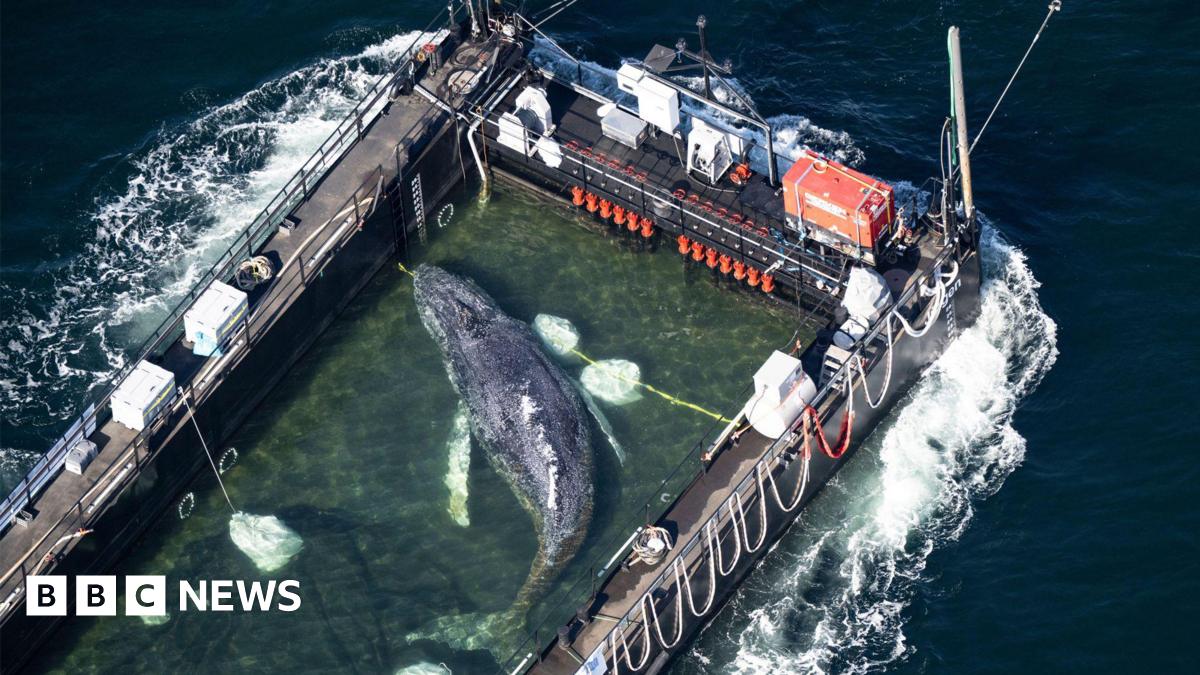
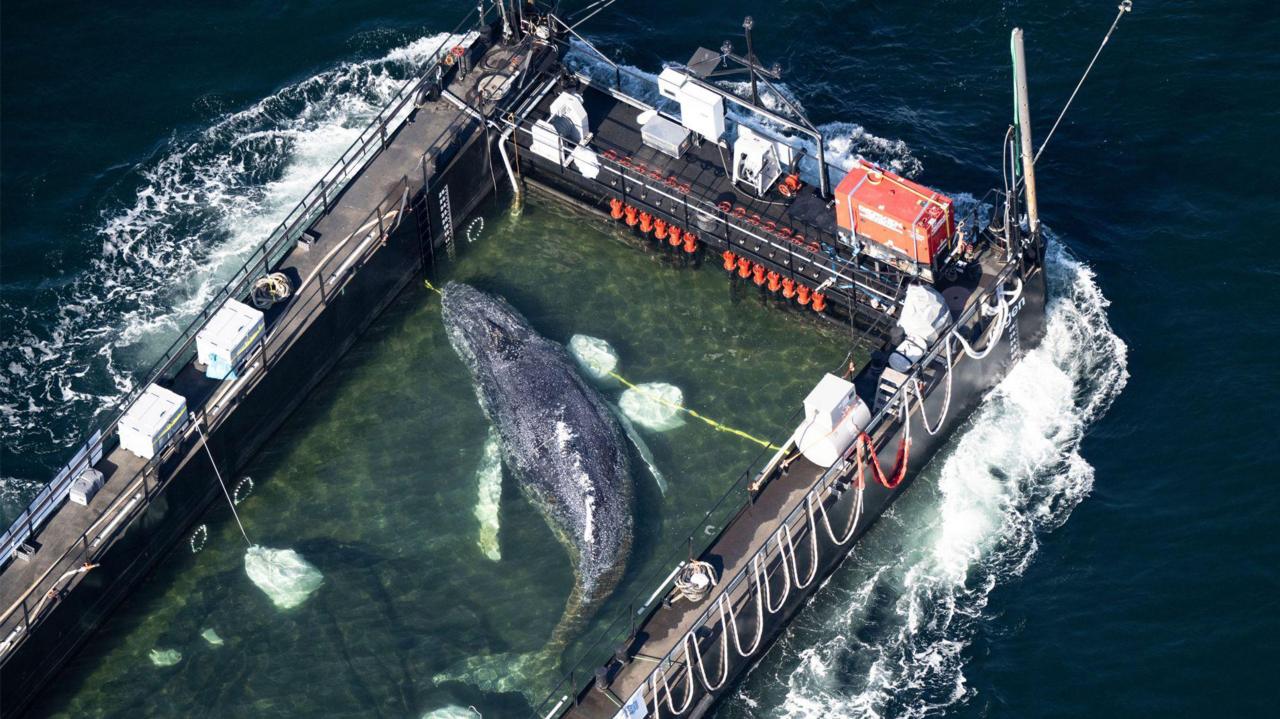
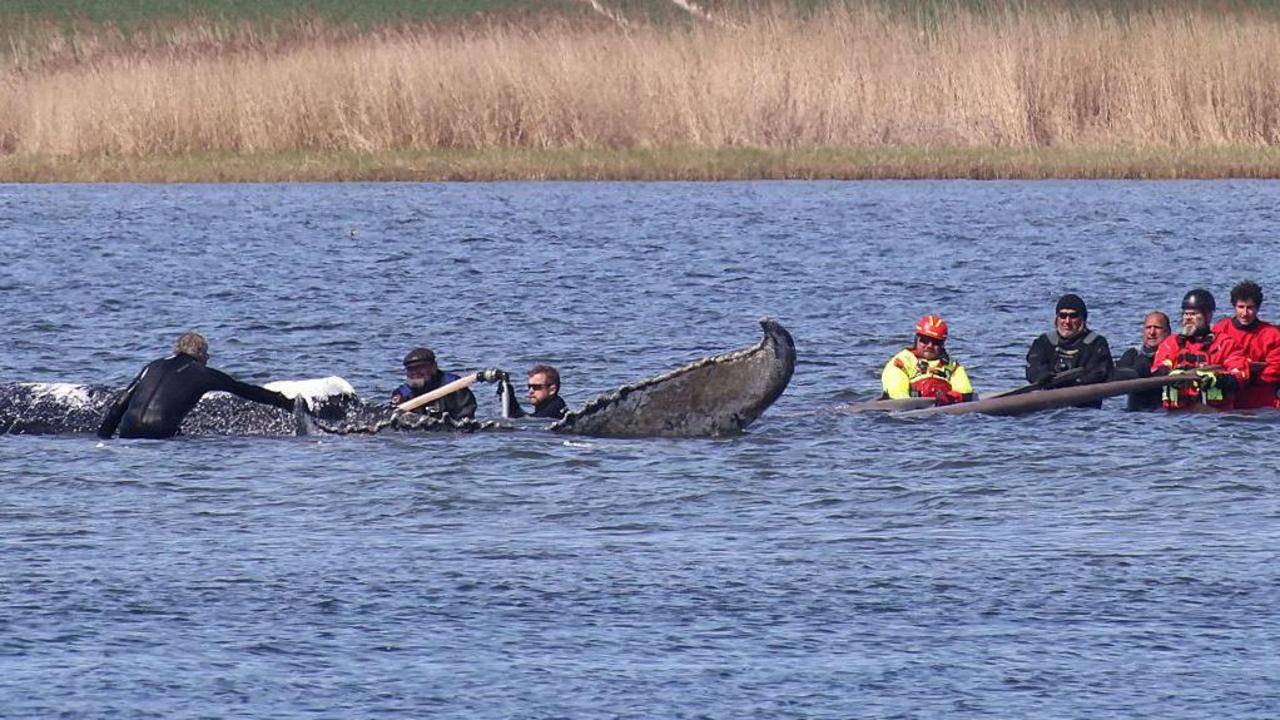
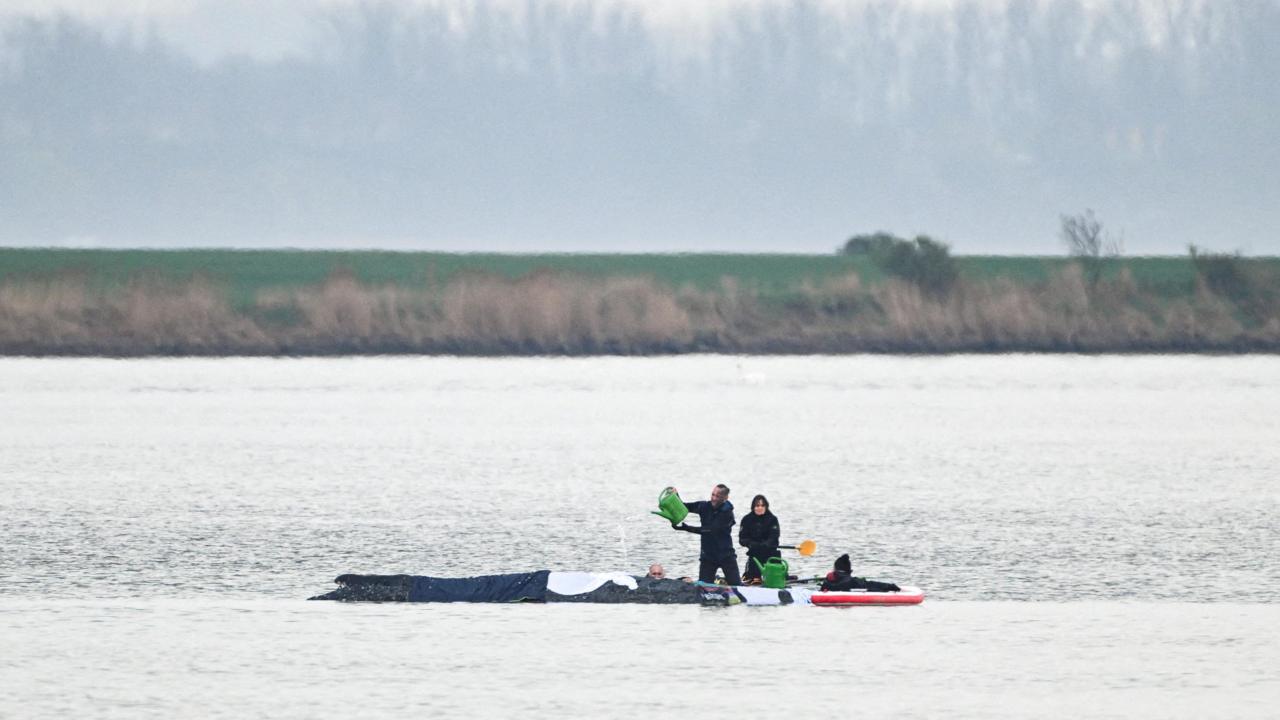
A humpback whale that repeatedly beached itself on Germany's Baltic coast has been released into the North Sea after a privately funded barge transported the animal to deeper waters. Dubbed 'Timmy' by German media, the whale left the barge at around 8:45am on Saturday, May 2, 2026, off the coast of Denmark, swimming freely and in the right direction.tive. The whale was first spotted stuck on a sandbank near the city of Luebeck on March 23. It freed itself but then became stranded again several times, spending 29 days in shallow waters near the island of Poel. The final operation, which involved coaxing the whale into a water-filled barge on Tuesday, was funded by two German entrepreneurs after earlier attempts failed.
From official abandonment to private intervention
At the start of April, German officials gave up on rescuing the animal, stating they believed it could not be saved. That decision triggered a public outcry, and authorities were persuaded to approve a privately financed rescue plan proposed by wealthy entrepreneurs Karin Walter-Mommert and Walter Gunz. The barge idea emerged after an initial attempt using inflatable cushions and pontoons proved unsuccessful. Till Backhaus, the environment minister of the northern state of Mecklenburg-Vorpommern, became the face of the rescue mission. Hailing the operation as a success, he called it an 'example for Germany of what can be done'. 'If everything goes well, it will be in the North Sea in two days,' he told reporters, adding that the whale was doing very well and reportedly even sang during the night.
Skepticism from marine experts and wildlife groups
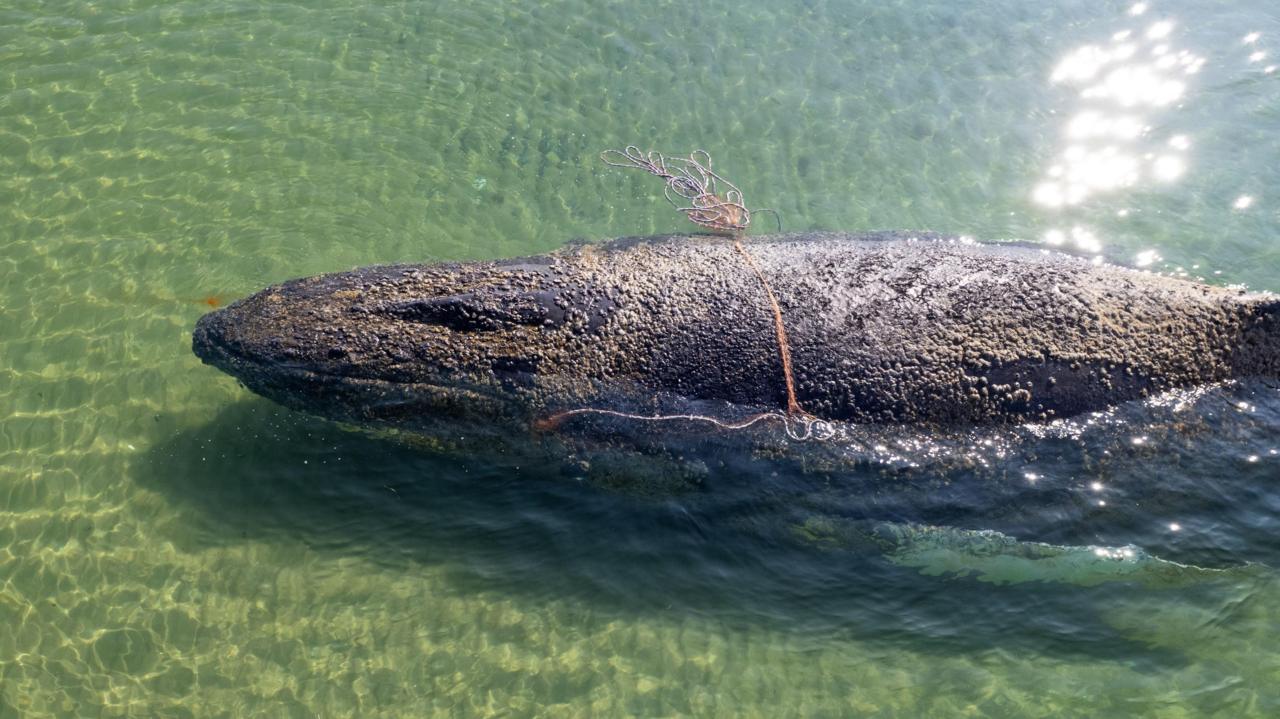
Despite the euphoria among the rescue team, marine experts have largely distanced themselves from the operation. An expert panel from the International Whaling Commission said the plans were well meant but described the animal as 'severely compromised and unlikely to survive even if moved to deeper water'. Wildlife groups remain far from optimistic. Whale and Dolphin Conservation (WDC) was especially downbeat, warning that the whale had no long-term chance of survival. The whale suffered skin damage due to the lack of salinity in the Baltic Sea waters, and WDC stated that its skin would need to fully recover and it would need to start finding food independently for any rescue to be considered a success.
The rescue operation and its key figures
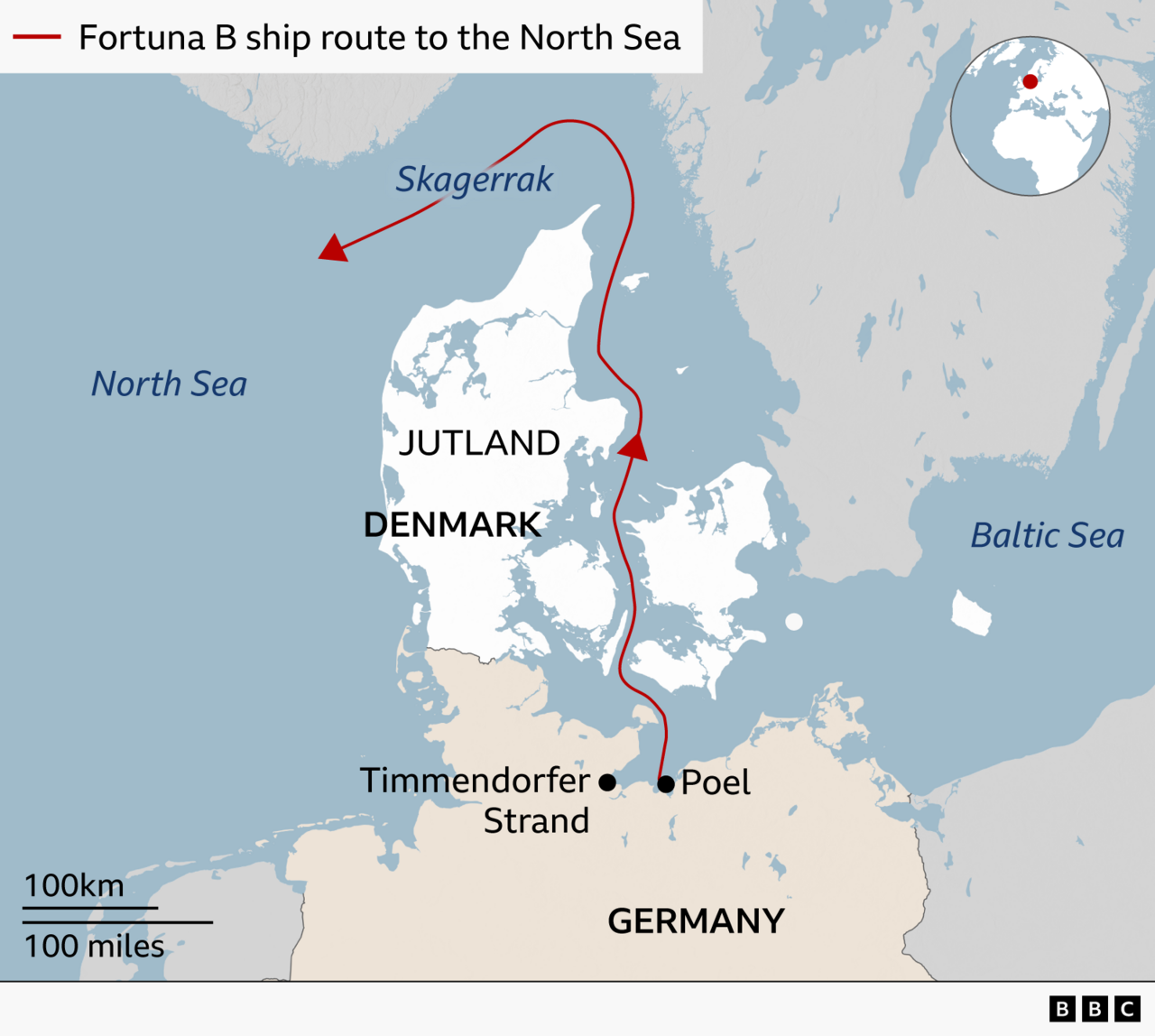
The transport ship Fortuna B towed the whale from Wismar Bay through the Baltic Sea into Danish waters, sailing along the Danish coast of Jutland with the aim of heading through the Skagerrak strait towards the North Sea. Felix Bohnsack, the technical head of the mission, praised everyone involved, from Backhaus's environment ministry to the German life guards' association DLRG, although he warned they were not yet 'out of the woods'. The two entrepreneurs who funded the rescue expressed their delight. 'I can't even say how happy I am,' said Karin Walter-Mommert, while Walter Gunz said he had never prayed so much in his life. The rescue effort was seen as a long shot and was criticised by experts who said it would only cause the animal more distress.
Uncertain future in the North Sea
Once released, the whale faces an uncertain future. While it is now swimming freely, it must recover from skin damage and learn to find food independently. The low salinity of the Baltic Sea had already compromised its health, and experts doubt its ability to survive in the wild. For now, the rescue team is celebrating a rare success. The mood of euphoria that began on Tuesday when the whale swam into the barge was still evident when they spoke to reporters on Wednesday. But the ultimate verdict on the mission's success will depend on whether the whale can thrive in the North Sea, a question that may take weeks or months to answer.
The bottom line
- The whale, named Timmy, was stranded for 29 days before a privately funded barge rescued it.
- German officials initially abandoned the rescue, but public pressure led to approval of a private plan.
- Marine experts and wildlife groups remain highly skeptical about the whale's long-term survival.
- The whale suffered skin damage from low salinity and must recover and feed independently.
- The rescue was funded by two entrepreneurs and involved a barge towed through Danish waters.
- The whale was released into the North Sea on May 2, 2026, and is swimming freely.


Devil Wears Prada 2 Soundtrack: Lady Gaga, Doechii, and Izzy Escobar Join Star-Studded Album

Former Spandau Ballet singer Ross Davidson jailed 14 years for rapes and sexual assaults

Paul Bradley on Nigel Bates' Final Journey: 'It's a Very Beautiful Ending'