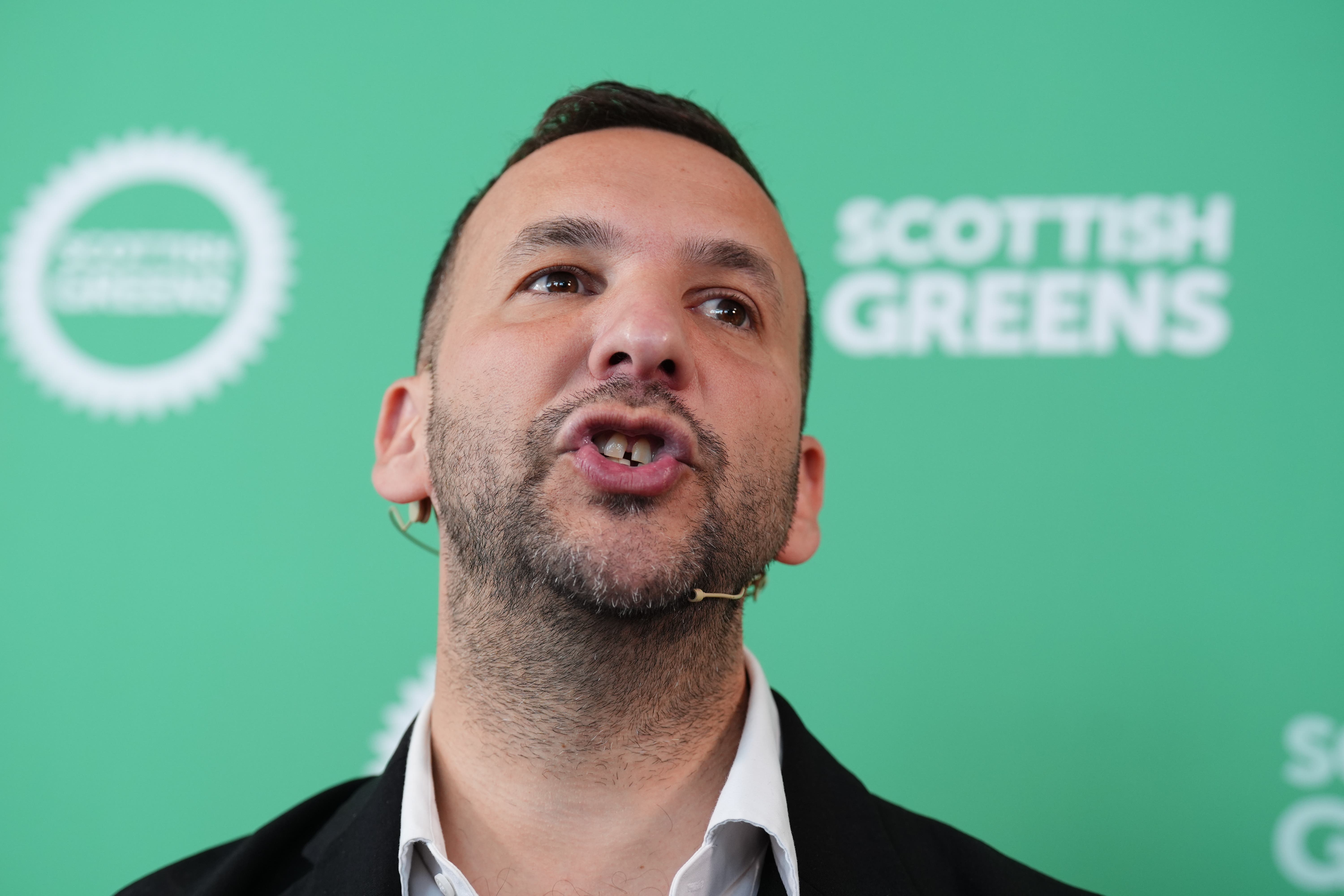
Green Party leader Zack Polanski accuses Labour of weaponising antisemitism as party faces internal crisis
In a tense interview, Polanski defends his stance on distinguishing anti-Zionism from antisemitism while his deputy encourages suspended candidates to sue the party.
UNITED KINGDOM —
Key facts
- Polanski is the only Jewish leader of a major UK political party.
- A Green candidate in Lambeth shared a post saying 'Ramming a synagogue isn’t anti-Semitism. It’s revenge.'
- Another candidate in Newcastle, using the alias 'The Real Anne Frank', called Jewish people 'money-grubbing thieves'.
- Deputy leader Mothin Ali told Greens for Palestine members in leaked recordings to consider legal action against the party.
- Polanski said he was wrong to have previously criticised Jeremy Corbyn over antisemitism, calling the issue 'weaponised'.
- The Green Party has almost quadrupled its membership since Polanski became leader in September.
- Labour is projected to lose 1,850 council seats on 7 May, while the Greens are expected to gain 500.
- A 45-year-old man stabbed two Jewish men in Golders Green on 29 April.
A party under fire over antisemitism allegations
Zack Polanski, the leader of the Green Party of England and Wales, is navigating a deepening crisis over antisemitism within his own ranks just days before local elections on 7 May. The party, which has seen a surge in membership and is projected to gain 500 council seats, is facing accusations that some of its candidates have expressed anti-Jewish sentiment in social media posts. One candidate in Lambeth shared a post stating, 'Ramming a synagogue isn’t anti-Semitism. It’s revenge.' Another candidate in Newcastle, who uses the alias 'The Real Anne Frank', referred to 'Jewish Nazis' as 'money-grubbing thieves'. The revelations have put Polanski in a difficult position as he tries to balance internal dissent and external pressure.
Polanski’s defence: distinguishing antisemitism from anti-Zionism
In an interview with the New Statesman, Polanski argued that it is crucial to distinguish between genuine antisemitism and legitimate criticism of Israel. 'When people create false allegations of antisemitism, or blur the lines between challenging the Israeli government and antisemitism, as a Jewish person, that makes me feel a lot less safe,' he said. He accused Prime Minister Keir Starmer of 'playing silly games with a really serious issue' after Starmer labelled Polanski 'disgraceful' for saying it was important to differentiate between an actual threat to the Jewish community and the 'perception of unsafety'. Polanski added, 'We’ve got into a bizarre situation in this country where a non-Jewish prime minister is attacking the one Jewish leader on a case of antisemitism.'
Internal revolt: deputy leader urges suspended candidates to sue
The crisis deepened when leaked recordings revealed that Mothin Ali, the deputy leader of the Green Party, told members of Greens for Palestine that he was 'very worried' about the suspensions of candidates accused of antisemitism. 'We need to get some serious legal advice. We need to make sure that we are putting the party on notice straight away, and we need to start with some class action,' Ali said. Polanski himself has acknowledged the difficulty of navigating the issue, telling the New Statesman that the main lesson he needs to learn from Jeremy Corbyn is how to handle antisemitism allegations better. He added, 'What he meant by that, and exactly how he will, has not yet become clear.'
The Golders Green attack and its political fallout
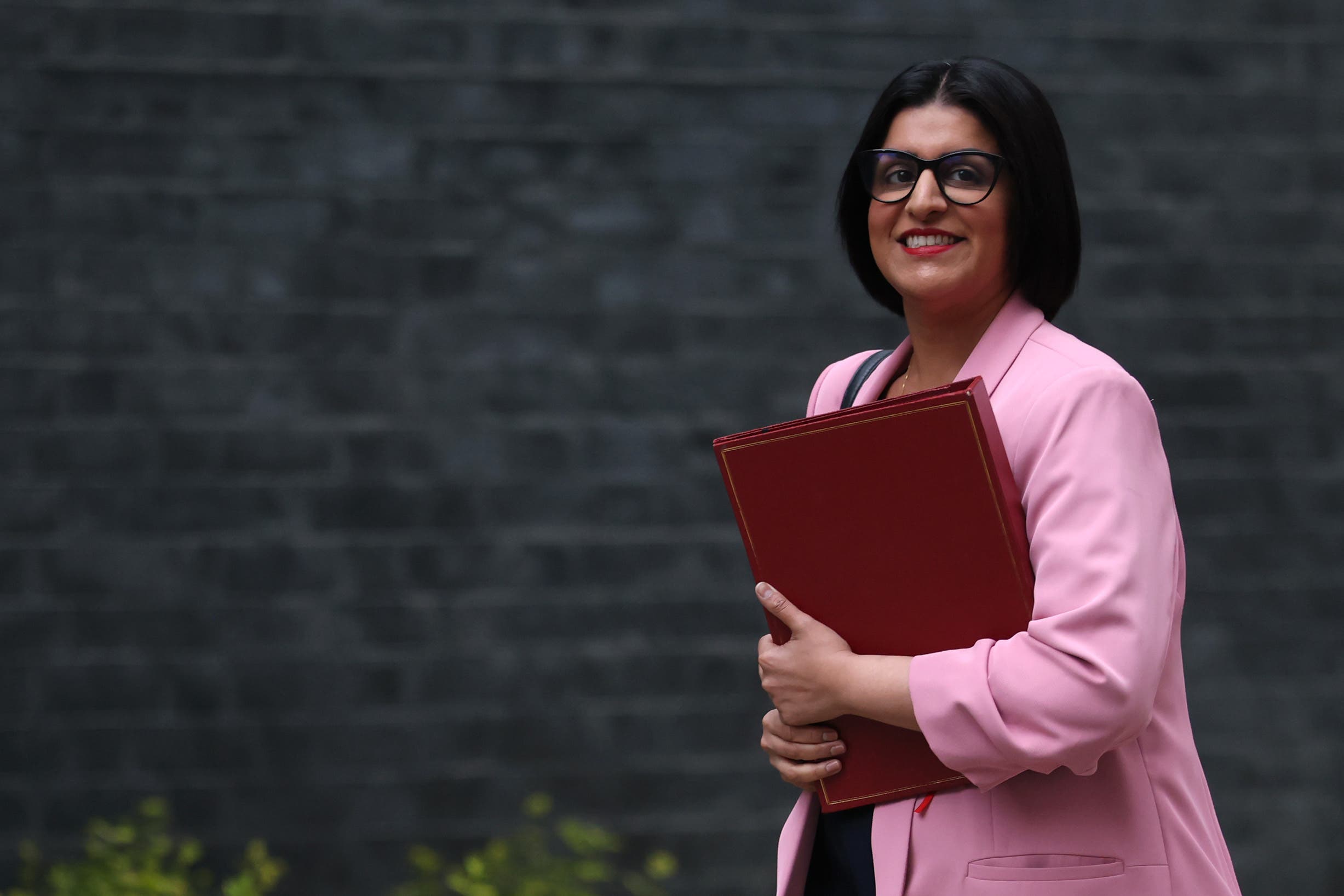
The controversy comes in the wake of a terrorist attack in Golders Green, the centre of London’s Jewish community, on 29 April. A 45-year-old man stabbed two Jewish men, one in his seventies and the other in his thirties, before being subdued by police. The attack has intensified calls for tougher action against antisemitism, including from Chief Rabbi Sir Ephraim Mirvis. Home Secretary Shabana Mahmood hinted at using new powers to ban pro-Palestinian marches, citing the terror laws watchdog’s warning that antisemitic language is 'incubated' at such protests. Polanski condemned the move, saying, 'It is an outrage that this increasingly authoritarian government would now seek to use the pain of the Jewish community to seek further restrictions on the rights to peaceful protest.'
A shifting political landscape: Greens gain as Labour loses ground
The Gaza issue has become a major dividing line between Labour and the Greens. Polling expert Lord Robert Hayward projects that Labour will lose 1,850 council seats on 7 May, while the Greens are expected to gain 500. The Greens are particularly projected to replace Labour in large parts of London, where all 32 borough councils are up for election. Labour’s balanced approach to Gaza and its refusal to ban weapons sales to Israel have driven supporters and former members to switch to the Greens. Polanski’s party recently won the Gorton and Denton by-election in Manchester, partly by targeting Muslim voters.
Polanski’s personal struggle: a Jewish leader facing accusations
Polanski, who says he suffers antisemitic abuse every single day, has called for 'consideration, care and nuance' in dealing with the issue. 'Jewish communities are waking up this morning feeling incredibly scared after another attack in this wave of odious antisemitic attacks,' he said after the Golders Green stabbing. He stressed the need for 'perspective' over what he called a 'handful' of accusations among 4,500 candidates standing for the party. 'That being said, we know that there’s a worrying rise of antisemitism in this country as, by the way, there is a rise of Islamophobia and hate crime generally,' he added.
Outlook: a test of leadership and party unity
As the local elections approach, Polanski faces pressure from both sides: from those who want him to take a harder line against antisemitism, and from party members who believe the accusations are being weaponised. His deputy’s call for legal action against the party underscores the internal divisions. Polanski’s ability to navigate this crisis will determine not only his own political future but also the Greens’ trajectory as a growing force in British politics. The party’s surge in membership and projected electoral gains make it a significant player, but the antisemitism allegations threaten to undermine its credibility.
The bottom line
- The Green Party is facing multiple accusations of antisemitism from candidates, including a post celebrating a synagogue ramming and another referring to 'Jewish Nazis'.
- Deputy leader Mothin Ali has encouraged suspended candidates to take legal action against the party, according to leaked recordings.
- Polanski has drawn a sharp distinction between antisemitism and anti-Zionism, accusing Labour of weaponising the issue for political gain.
- The Golders Green stabbing on 29 April has heightened tensions, with Polanski opposing any ban on pro-Palestinian marches.
- Labour is projected to lose 1,850 council seats on 7 May, while the Greens are expected to gain 500, partly due to the Gaza issue.
- Polanski’s leadership is being tested as he tries to balance internal dissent, external criticism, and his own identity as a Jewish leader.

Eddie Howe faces pivotal Brighton clash after ‘challenging’ talks with Newcastle owners

Ipswich Town on Verge of Premier League Return as Town Centre Erupts in Blue and White

BBC Newsround Revamps Format to Reach More Children Across Platforms