Bank of Ghana’s 2025 Losses Understated by Gold Accounting, Former Finance Minister Alleges
Mohammed Amin Adam warns that excluding GH¢9.57 billion in gold gains would push the deficit beyond GH¢25 billion, raising questions about the sustainability of the central bank’s financial position.

GHANA —
Key facts
- a net loss of GH¢15.6 billion for 2025.
- Former Finance Minister Mohammed Amin Adam claims the loss is understated due to gold sales accounting.
- The central bank sold 18 tonnes of gold reserves, generating GH¢40.3 billion in proceeds.
- Gold sales contributed a net gain of GH¢9.57 billion, reclassified from equity to profit and loss.
- Without the gold gains, the loss could have exceeded GH¢25 billion.
- Sterilisation costs reached GH¢16.73 billion in 2025.
- Inflation fell from 23.8% in December 2024 to 5.4% in December 2025.
- The Monetary Policy Rate dropped from 29% in January 2025 to 14% in March 2026.
Gold Sale Accounting Masks True Scale of Central Bank Losses
The Bank of Ghana’s reported net loss of GH¢15.6 billion for 2025 does not reflect the full extent of its fiscal strain, according to former Finance Minister and Karaga MP Mohammed Amin Adam. In a Facebook post on Friday, May 1, 2026, Dr. Amin Adam argued that the inclusion of gains from gold sales materially altered the final outcome, warning that without them the deficit could have exceeded GH¢25 billion. The central bank sold approximately 18 tonnes of gold reserves during the year, generating GH¢40.3 billion in proceeds and a net gain of GH¢9.57 billion. This gain was reclassified from equity to the profit and loss account, effectively reducing the headline loss. Dr. Amin Adam insisted that the accounting move obscures the underlying financial health of the institution.
Sterilisation Costs Reveal Structural Inefficiencies
Dr. Amin Adam pointed to the cost of monetary operations, particularly sterilisation expenses of GH¢16.73 billion in 2025, as evidence of deeper structural inefficiencies in policy implementation. He argued that the Bank’s reported “policy solvency position” was significantly supported by inflows from bullion gold sales, raising questions about sustainability. “If these gold gains had not been recognised, operating income would not have been sufficient to cover sterilisation costs,” he said. The former minister linked the discussion to the Domestic Gold Purchase Programme introduced under the previous administration led by former Vice President Mahamudu Bawumia, describing it as a key buffer that strengthened the central bank’s balance sheet during periods of pressure.
Policy Mandate vs. Balance Sheet: A Broader Debate
Other voices in the debate argue that central banks should not be judged by profitability but by their ability to maintain price stability and financial system confidence. Christine Lagarde, President of the European Central Bank, has noted that “our job is not to make profits, but to maintain price stability.” This perspective frames the Bank of Ghana’s losses as the cost of stabilisation rather than a sign of failure. Ghana’s inflation fell sharply from 23.8% at the end of 2024 to 5.4% by December 2025 and further toward 3.3% in early 2026. Lending rates dropped from about 30.25% in December 2024 to around 20.45% by December 2025, while the Monetary Policy Rate declined from 29% in January 2025 to about 14% by March 2026. The cedi strengthened from near GH¢17 to the dollar to around GH¢10–11, easing the cost of imported goods.
Accounting Adjustments Reflect Real Economic Gains
The Bank’s gold reserve programme, which purchases gold locally and builds reserves through domestic production, reduces reliance on external borrowing and strengthens economic sovereignty. However, because gold is bought at prevailing market dollar rates but recorded at the Bank’s official exchange rate, a gap emerges that appears as an accounting cost. The gold itself remains fully intact. Similarly, the Domestic Debt Exchange Programme (DDEP) reduced the income the Bank earns on government securities by an estimated GH¢13 billion annually, and over GH¢26 billion across two years. This foregone income, not a cash loss, reflects the Bank’s role in supporting broader fiscal stabilisation.
Global Precedents and the Cost of Stability
Central banks such as the European significant accounting costs in recent years as a direct result of policies aimed at stabilising their economies. These outcomes have not been viewed as failures but as necessary consequences of fulfilling their mandates. As Milton Friedman observed, “Inflation is taxation without legislation.” By acting decisively to bring inflation down, the Bank of Ghana has effectively shielded citizens from this hidden tax. The costs incurred by the central bank can be seen as a transfer of burden away from households and onto its own balance sheet.
Transparency Questions Linger as Gold Sales Provide Temporary Relief
Dr. Amin Adam maintained that the current reliance on gold disposals highlights what he described as “optics over substance” in financial management, warning that such practices may obscure the true cost of monetary policy decisions. He concluded that while gold sales may provide temporary relief, they do not resolve the underlying drivers of the Bank’s losses. He urged greater transparency in interpreting the 2025 financial statements. The debate underscores a fundamental tension: whether the central bank’s performance should be measured by its balance sheet or by the macroeconomic outcomes it achieves.
A Question of Sustainability
The Bank of Ghana’s actions can be understood as public investment in infrastructure—both require resources and may appear costly in the short term, but are essential for long-term prosperity. The true measure of success, proponents argue, is not whether a profit was made, but whether the lives of citizens are improving. On that measure, Ghana’s recent stabilisation is increasingly compelling. Yet the questions raised by Dr. Amin Adam about the sustainability of relying on gold sales to cover operational costs remain unanswered, leaving the central bank’s financial position under scrutiny as the country navigates its recovery.
The bottom line
- The Bank of Ghana’s 2025 net loss of GH¢15.6 billion is potentially understated by GH¢9.57 billion due to gold sale accounting.
- Sterilisation costs of GH¢16.73 billion highlight structural inefficiencies in monetary policy implementation.
- Inflation fell from 23.8% to 5.4% in one year, and the cedi strengthened significantly, reflecting successful stabilisation.
- The central bank’s gold reserve programme and DDEP contributed to accounting losses but supported broader economic stability.
- Global central banks have similarly incurred accounting costs as part of their mandates, suggesting the losses are not unique to Ghana.
- Transparency in financial reporting remains a concern, with calls for clearer interpretation of the central bank’s financial statements.




Leeds face Burnley without Gudmundsson as Farke confirms hamstring injury

Chris Wood's Strike Gives Nottingham Forest 1-0 Europa League Semi-Final First-Leg Win Over Aston Villa
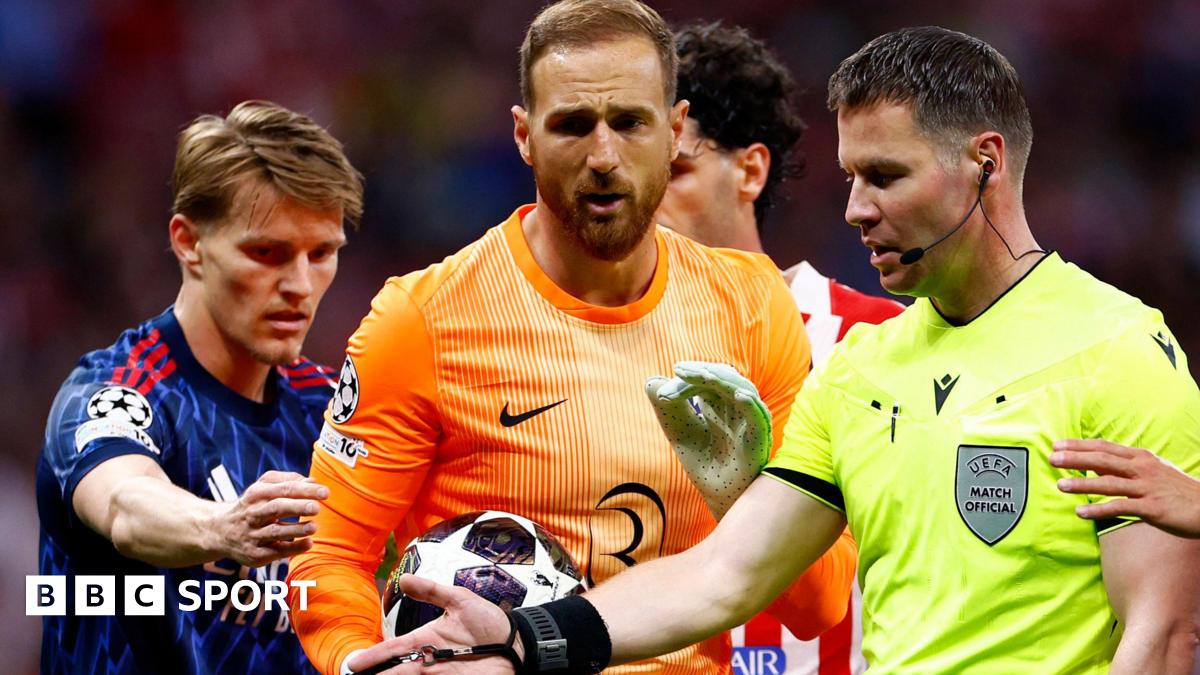
Gyökeres and Alvarez Trade Penalties as Arsenal and Atlético Draw 1-1 in Champions League Semi-Final First Leg
