South Africa's Top Court Revives Impeachment Bid Against President Ramaphosa
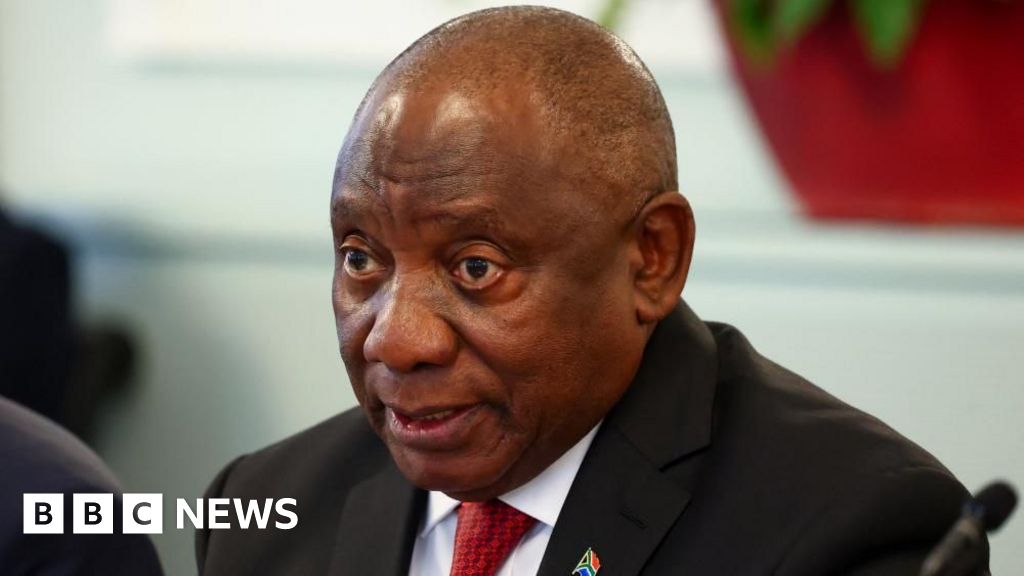
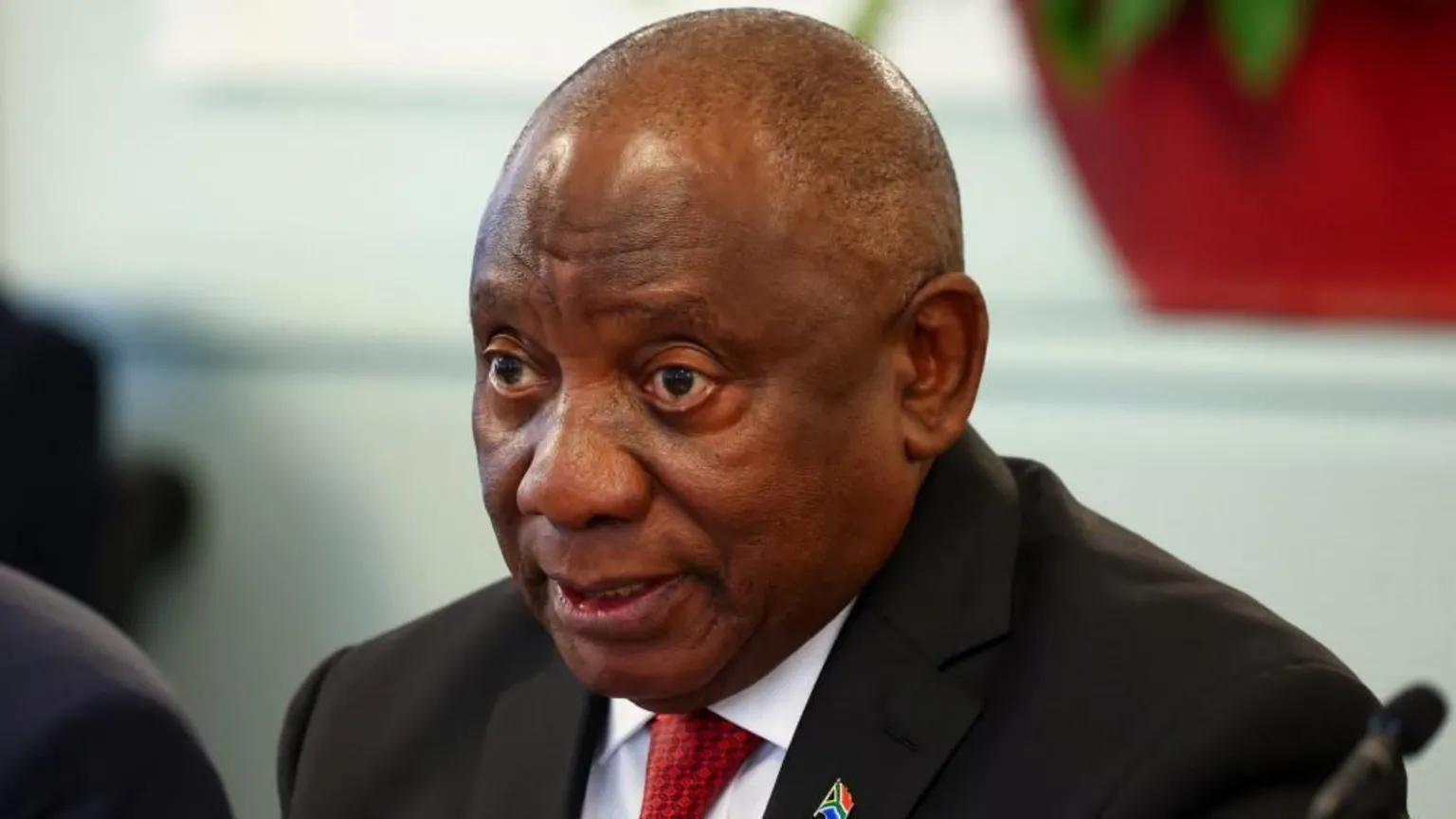
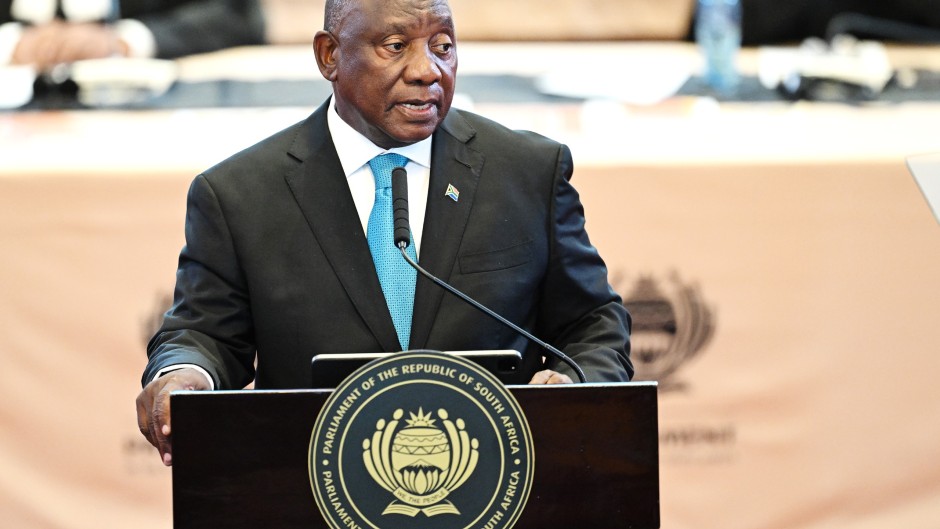
Parliament must now consider an inquiry into President Cyril Ramaphosa over the "Farmgate" scandal following a landmark Constitutional Court ruling.
GHANA —
Key facts
- Constitutional Court ruled parliament violated the constitution by blocking impeachment proceedings against Cyril Ramaphosa in 2022.
- The ruling orders parliament to refer an independent panel's report to an impeachment committee.
- The scandal centres on $580,000 in cash stolen from Ramaphosa's Phala Phala game farm in February 2020.
- Opposition leader Julius Malema called for Ramaphosa's resignation following the judgment.
- Parliament must now establish an impeachment committee under Rule 129I of the National Assembly rules.
- Section 89 of the constitution allows for presidential removal on grounds of serious violation of law, misconduct, or inability to perform duties.
- Ramaphosa's African National Congress (ANC) lost its parliamentary majority in the 2024 general election but still holds over one-third of seats.
Parliament Ordered to Reconsider Impeachment Proceedings
South Africa's highest court has cleared the path for a formal impeachment inquiry into President Cyril Ramaphosa, ruling that parliament acted unconstitutionally in December 2022 by blocking proceedings. The Constitutional Court found that the National Assembly’s vote, which was influenced by a material error of law, was invalid and set it aside. This landmark judgment means the independent panel's report, initially recommending an inquiry into the president, must now be referred to an impeachment committee. The decision stems from the so-called "Farmgate" scandal, which erupted after a large sum of foreign currency was stolen from Ramaphosa's Phala Phala game farm in February 2020. The theft of $580,000, reportedly hidden in a sofa, led to accusations that the president had failed to properly account for the source of the funds. President Ramaphosa's office has stated that he respects the judgment and reaffirms his commitment to the constitution, judicial independence, and the rule of law. The Presidency noted that the president has consistently provided full assistance to all inquiries into the matter, maintaining that no individual is above the law and that allegations should undergo due process.
The Phala Phala Scandal and its Genesis
The controversy centres on approximately $580,000 in cash that was stolen from Ramaphosa's rural Phala Phala game farm in Limpopo. The incident, which occurred on February 9, 2020, gained public attention in June 2022 when Arthur Fraser, South Africa’s former head of the State Security Agency, accused the president of attempting to cover up the theft. Fraser alleged that as much as $4 million in foreign currency had been taken, a figure Ramaphosa disputes, maintaining the stolen amount was $580,000. Ramaphosa has consistently maintained that the money originated from the sale of buffaloes to a Sudanese businessman, Hazim Mustafa. He stated that the buyer never took possession of the animals. However, the president has faced persistent accusations of attempting to conceal the theft to avoid explaining the presence of such a substantial amount of foreign currency at his property, rather than depositing it in a bank. An independent panel, established in 2022, concluded that Ramaphosa may have a case to answer. This finding prompted parliamentary proceedings, but the African National Congress (ANC), then holding a majority, used its numbers to block the referral of the panel's report to an impeachment committee.
Opposition Demands Resignation, Parliament's Next Steps
Following the Constitutional Court's ruling, opposition leader Julius Malema, head of the Economic Freedom Fighters (EFF), has called for President Ramaphosa's immediate resignation. Malema argued that the president cannot effectively serve in office while simultaneously preparing for an impeachment process, stating, "You cannot serve the two - one is going to suffer." The EFF, along with the African Transformation Movement (ATM), brought the case to the Constitutional Court in 2024. The EFF has formally written to the Speaker of the National Assembly, Thoko Didiza, requesting a clear indication within 48 hours of the specific steps she intends to take in light of the judgment. Malema expressed confidence that ANC members would eventually vote to impeach Ramaphosa, as the evidence would become undeniable. Parliament is now mandated to establish an impeachment committee, operating under Rule 129I of the National Assembly rules, which governs the removal of a president under Section 89 of the constitution. This committee will be tasked with gathering evidence, assessing the credibility of claims, and determining the seriousness of the allegations against Ramaphosa before making recommendations to the National Assembly. Witnesses, potentially including the president himself, may be called to testify.
Constitutional Framework for Presidential Removal
Section 89 of South Africa's constitution provides the legal framework for the removal of a president from office. It outlines three primary grounds upon which such action can be taken: serious violation of the constitution or the law, serious misconduct, or an inability to perform the duties of the office. The establishment of an impeachment committee is the crucial next step in this process. Once constituted, the committee will conduct a thorough investigation. This will involve examining all available evidence, questioning witnesses, and allowing the president to respond to or challenge the allegations. will encapsulate all viewpoints expressed by Members of Parliament during the inquiry. Ultimately, the committee's findings and recommendations will be presented to the National Assembly. However, even if the committee recommends impeachment, the president would still need to face a vote in the lower house, requiring a two-thirds majority for removal. Despite losing its outright majority in the 2024 general election, the ANC retains more than one-third of the seats, potentially providing a buffer against a successful impeachment vote.
A Symbolic Date and Judicial Independence
The Constitutional Court's ruling on May 8, 2026, carries significant symbolic weight, falling exactly three decades after the formal adoption of South Africa's constitution on May 8, 1996. This date, which ushered in the nation's democratic era, now marks a pivotal moment in its constitutional jurisprudence. Chief Justice Mandisa Maya delivered the judgment, underscoring the court's commitment to upholding the rule of law and the integrity of constitutional processes. The ruling serves as a powerful affirmation of the judiciary's independence and its role in holding even the highest office bearers accountable. The ANC has echoed these sentiments, with spokesperson Mahlengi Bhengu-Motsiri stating, "We respect the decisions of our judiciary, and we will make sure that which needs to be done correctly is done correctly." The party indicated that the judgment would be transmitted for internal review, including its implications for parliamentary work, reinforcing the importance of allowing institutions to function independently within South Africa's constitutional democracy.
Outlook: A Protracted Process Ahead
The impeachment committee is expected to take several months to deliberate and decide whether to recommend formal proceedings against President Ramaphosa. The process involves gathering evidence, hearing testimony, and thoroughly assessing the allegations related to the Phala Phala farm theft. While the Constitutional Court has mandated the resumption of the impeachment process, it provided no specific timelines for its completion. This suggests that the inquiry could unfold over an extended period, potentially influencing the political landscape as South Africa navigates its post-election coalition government era. Regardless of the committee's eventual recommendation, the final decision rests with the National Assembly. The ANC's continued significant presence in parliament, even without a majority, suggests that a two-thirds majority required for removal may be a high hurdle to clear. The coming months will be critical in determining the ultimate outcome of this protracted political and legal saga.
The bottom line
- South Africa's Constitutional Court has invalidated parliament's 2022 decision to block impeachment proceedings against President Cyril Ramaphosa.
- The ruling mandates that parliament establish an impeachment committee to consider an independent panel's report on the "Farmgate" scandal.
- The scandal involves the theft of $580,000 from Ramaphosa's farm in 2020, with accusations of improper accounting for the funds.
- Opposition parties, led by the EFF, are pushing for Ramaphosa's resignation and have requested immediate parliamentary action.
- Ramaphosa respects the court's judgment and reaffirms his commitment to the constitution and rule of law.
- The impeachment process, governed by Section 89 of the constitution, requires evidence gathering and a vote in the National Assembly, where a two-thirds majority is needed for removal.


Ghana Education Service Sets 2026/27 Academic Calendar

Queiroz Names 23-Man Squad for Mexico Friendly

Crystal Palace on Brink of Conference League Final After Dominant Semi-Final Display