In Sudan, Eid al-Adha arrives amid war as Qurbani becomes a lifeline for millions
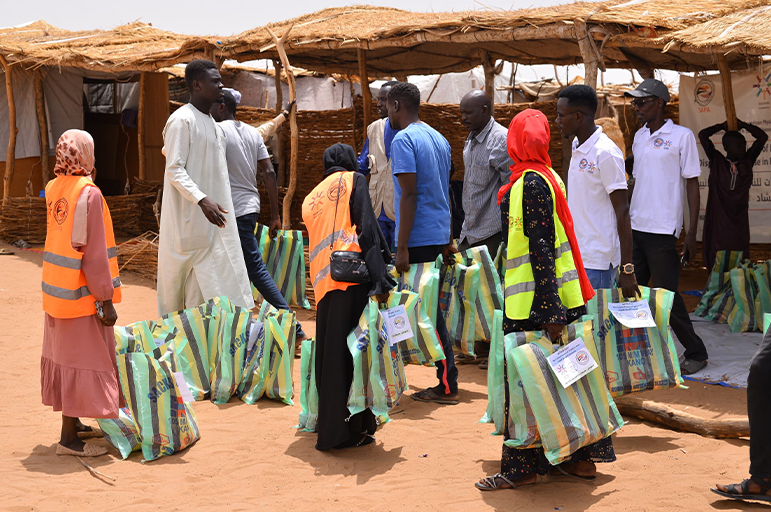
For families displaced from Khartoum, El-Fashir, and Sennar, meat from the annual sacrifice may be the only protein they eat all year.
GHANA —
Key facts
- Eid al-Adha falls at the end of May this year.
- Human Appeal provided over 3.5 million Qurbani meals last year, reaching over 1.1 million beneficiaries.
- Human Appeal has run its Qurbani programme for over 35 years.
- The charity will distribute beef, lamb, mutton, and goat meat across Africa, South Asia, the Middle East, and the UK.
- Human Appeal is introducing a Kabsa Qurbani for Gaza: each sacrifice yields up to 71 ready-to-eat meals with a 1.5-year shelf life.
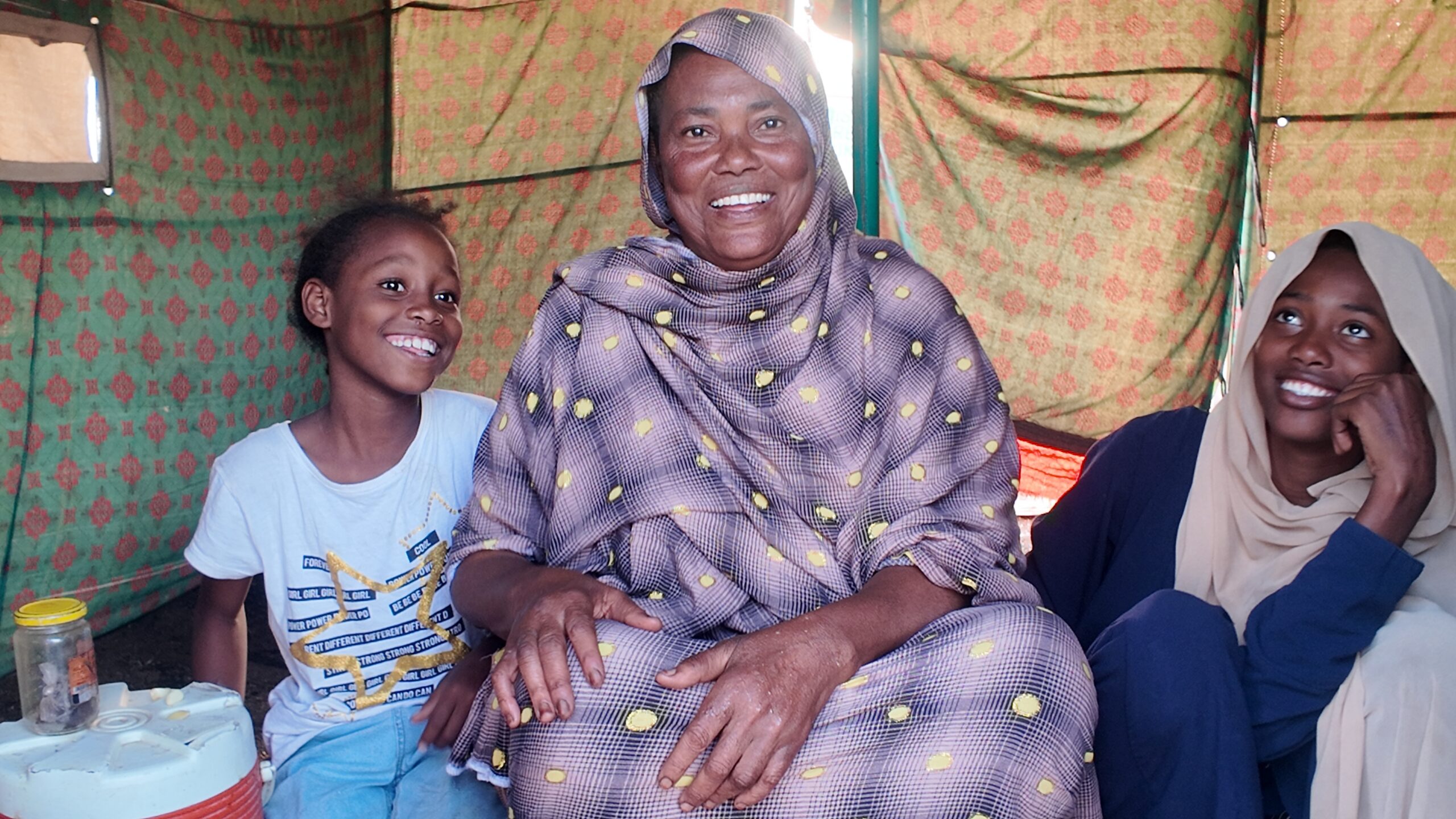
- Halima and her four children live in a camp for displaced people in Gedaref, Sudan, after fleeing their home three years ago.
- Approximately 2 billion Muslims globally celebrate Eid ul-Adha through prayer, food sharing, and charity.
A festival of sacrifice in the shadow of conflict
Eid al-Adha, the festival of sacrifice, will arrive in Sudan this year in the middle of a war. Families who fled Khartoum, El-Fashir, and Sennar will mark a third Eid in tents, shelters, or the homes of strangers. For many, the meat distributed through Qurbani will be the only meat they consume all year. Halima, a mother of four, lives in a camp for displaced people in Gedaref, Sudan. Like millions of others, her family was forced to flee their home amid the crisis that has engulfed the country for the past three years. 'Eid al-Adha means everything,' she said, underscoring the festival's emotional and material significance for those who have lost nearly everything.
The religious foundation of Qurbani
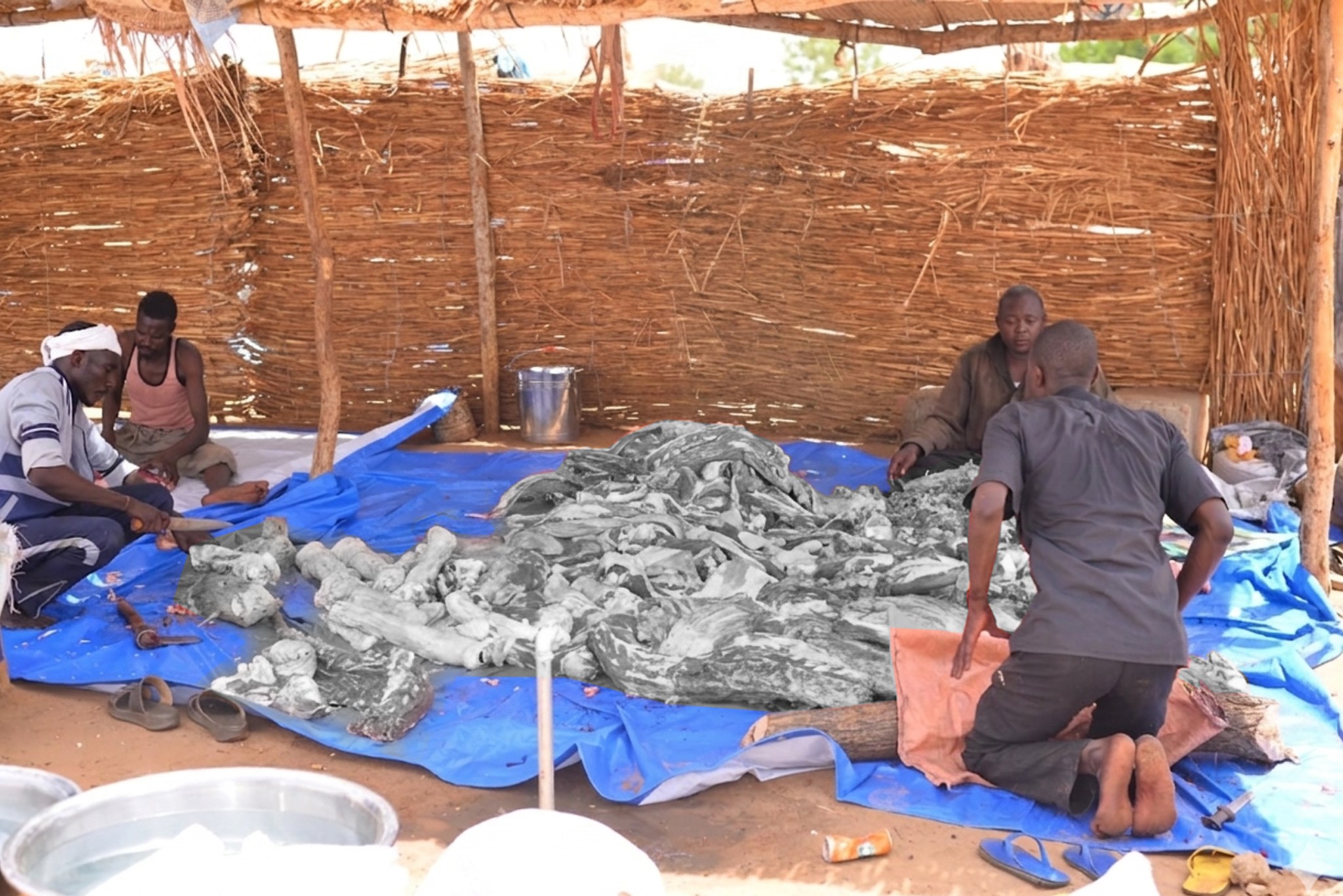
Qurbani is the act of slaughtering a permissible animal during the days of Eid al-Adha — the 10th, 11th, and 12th of Dhul Hijjah — as an act of worship. According to the Hanafi school of thought, it is obligatory (wajib) for every adult Muslim who possesses nisab; the Shafi'i, Maliki, and Hanbali schools consider it a highly confirmed Sunnah (sunnah mu'akkadah). The practice is rooted in the story of Prophet Ibrahim (AS), who was commanded to sacrifice his son and, in submission, was provided a ram instead. The Qur'an and Hadith teach that Qurbani embodies tawakkul (trust in Allah), ihsan (generosity and excellence), and shukr (gratitude). A significant portion of the meat must be distributed to the poor and needy, transforming the ritual into a lifeline for the most vulnerable.
Human Appeal's 35-year Qurbani programme
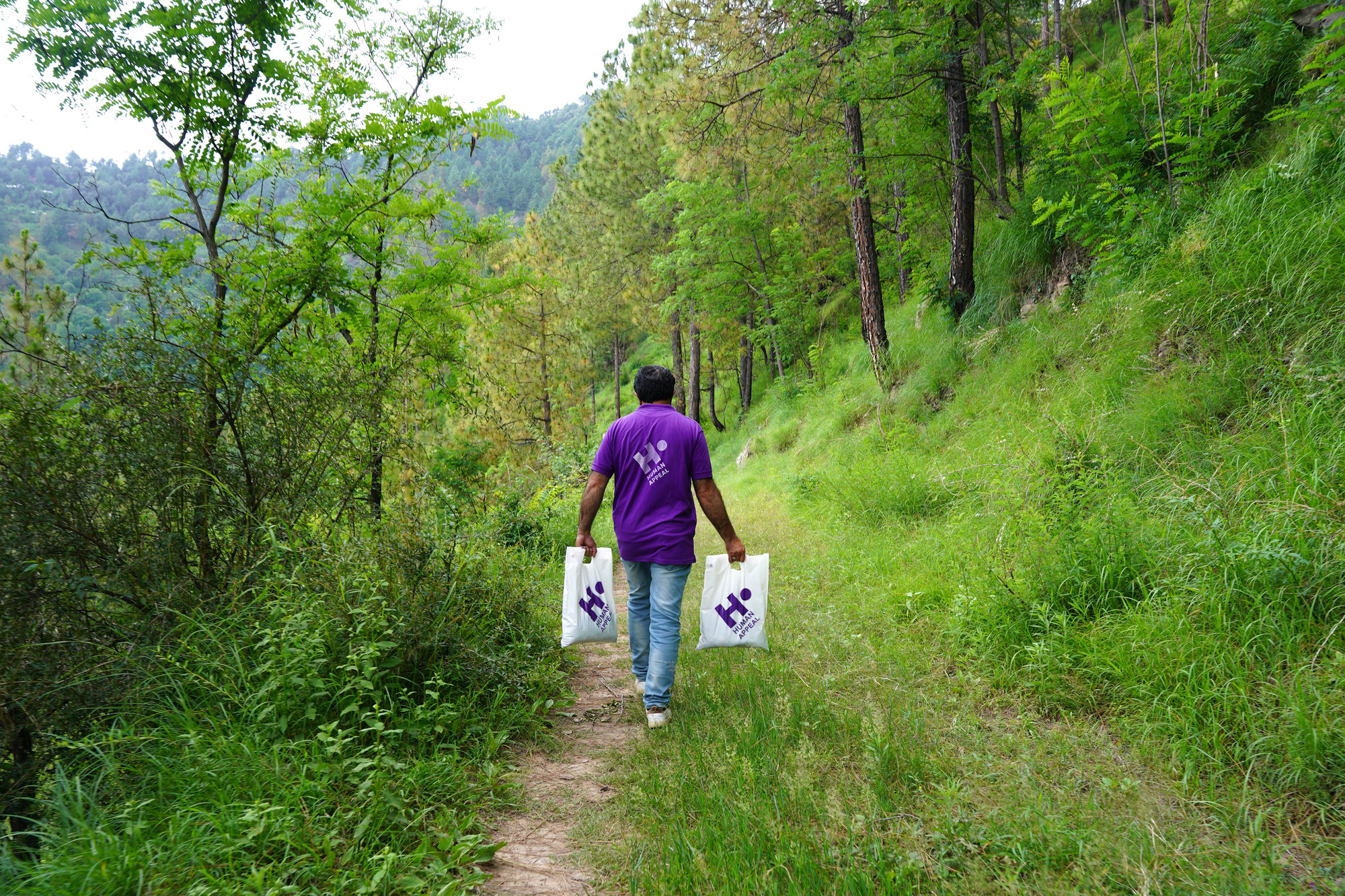
Human Appeal, a UK-based humanitarian charity established in 1991, has run its Qurbani food distribution programme for over 35 years. Last year, the programme provided over 3.5 million meals to more than 1.1 million beneficiaries. This year, the charity will distribute beef, lamb, mutton, and goat meat across Africa, South Asia, the Middle East, and the UK. UK donors can select from 20 countries to support. Contributions will also reach countries grappling with ongoing conflict and displacement. The charity works in collaboration with recognised global organisations such as the United Nations, running targeted aid relief programmes in over 30 countries worldwide.
Innovation in crisis: Kabsa Qurbani for Gaza
Human Appeal is introducing an innovative Kabsa Qurbani for Gaza, compliant with religious dietary rules and designed for emergency conditions. Each Qurbani is performed during Eid al-Adha and then transformed into up to 71 ready-to-eat Kabsa meals — a traditional Middle Eastern dish of spiced rice and meat. Each meal contains 300 grams of lamb and rice, cooked, seasoned, sterilised, and packed airtight, with a 1.5-year shelf life requiring no cooking or refrigeration. The product is ideal for families with no access to kitchens, fuel, or electricity. Alongside the Kabsa offering, Human Appeal will distribute beef, mutton, and goat meat in targeted countries, ensuring conflict-affected communities receive culturally appropriate, life-sustaining nutrition.
The scale of need and the reach of giving
Last year, Human Appeal reached over 1.1 million beneficiaries through its Qurbani campaign. The festival, celebrated by approximately 2 billion Muslims globally, witnesses one of the largest annual feeding campaigns in the world. For many recipients, the meat from Qurbani is the only time of the year they can eat meat protein. In Sudan, where millions face food insecurity, the need is acute. Families displaced from cities like Khartoum, El-Fashir, and Sennar have been living in camps for years. The charity's programme aims to provide not just nutrition but also a sense of normalcy and dignity during a time of profound hardship.
Outlook: A tradition renewed by crisis
As Eid al-Adha approaches at the end of May, the Qurbani campaign underscores the enduring relevance of a centuries-old tradition. In a world marked by conflict and displacement, the act of sacrifice has become a mechanism for survival. Human Appeal's expansion into ready-to-eat meals for Gaza and its continued distribution across multiple continents reflect an adaptation to modern emergencies. The challenge remains immense: millions of people in Sudan, Gaza, and elsewhere depend on such programmes for their only meat intake. The success of the campaign will be measured not only in meals distributed but in the lives sustained through a ritual that, for many, is the difference between hunger and nourishment.
The bottom line
- Eid al-Adha falls at the end of May; Human Appeal's Qurbani programme will distribute meat to over 1 million beneficiaries across 20 countries.
- In Sudan, families displaced by three years of war will receive meat that may be their only animal protein of the year.
- Human Appeal has run its Qurbani programme for over 35 years, providing 3.5 million meals last year.
- A new Kabsa Qurbani for Gaza offers 71 ready-to-eat meals per sacrifice, with a 1.5-year shelf life and no need for cooking or refrigeration.
- The religious obligation of Qurbani is rooted in the story of Prophet Ibrahim and teaches tawakkul, ihsan, and shukr.
- Approximately 2 billion Muslims celebrate Eid ul-Adha, making it one of the largest annual feeding campaigns globally.

Ballard's Hair-Pull Red Card Costs Sunderland as Wolves Earn 1-1 Draw

Santi Bueno Header Denies Ten-Man Sunderland as Dan Ballard Sees Red for Hair Pull

Mavididi Ends Leicester's Winless Streak as Relegated Foxes Beat Blackburn 1-0