Bayern Munich's Champions League Exit Marred by Controversial Refereeing Decisions
Disbelief and fury erupt at Allianz Arena as crucial calls go against Bayern Munich in semi-final defeat to PSG.
GHANA —
Key facts
- Bayern Munich lost their Champions League semi-final second leg to Paris Saint-Germain on May 6, 2026.
- A penalty appeal for handball against PSG's Joao Neves was denied in the 30th minute.
- The handball law exemption states it's not a penalty if the ball is played by a teammate.
- Bayern's Harry Kane was controversially ruled offside in the 23rd minute.
- Nuno Mendes, already on a yellow card, avoided a second yellow for a handball incident.
- Bayern manager Vincent Kompany expressed frustration with the referee's decisions.
- Ousmane Dembélé scored the opening goal for PSG in the third minute.
Disbelief at Allianz Arena as Bayern's Campaign Ends
The Allianz Arena witnessed a scene of profound disbelief on the evening of May 6, 2026, as Bayern Munich saw their Champions League aspirations extinguished in a dramatic semi-final second leg against Paris Saint-Germain. A single goal on the night, coupled with a series of contentious officiating decisions, left players, staff, and supporters alike questioning the outcomes that sealed their exit from Europe's premier club competition. The German giants, trailing 1-0 on the night and 6-4 on aggregate, found themselves embroiled in controversy from the 23rd minute onwards. The match, which concluded with PSG advancing, became a focal point for debates surrounding the interpretation and application of football's laws. This defeat marks a significant setback for Bayern Munich, who were seeking to navigate the final stages of the Champions League. The manner of their departure, however, has overshadowed the sporting result, igniting fierce discussion about the officiating.
The Denied Penalty: A Handball Law Conundrum
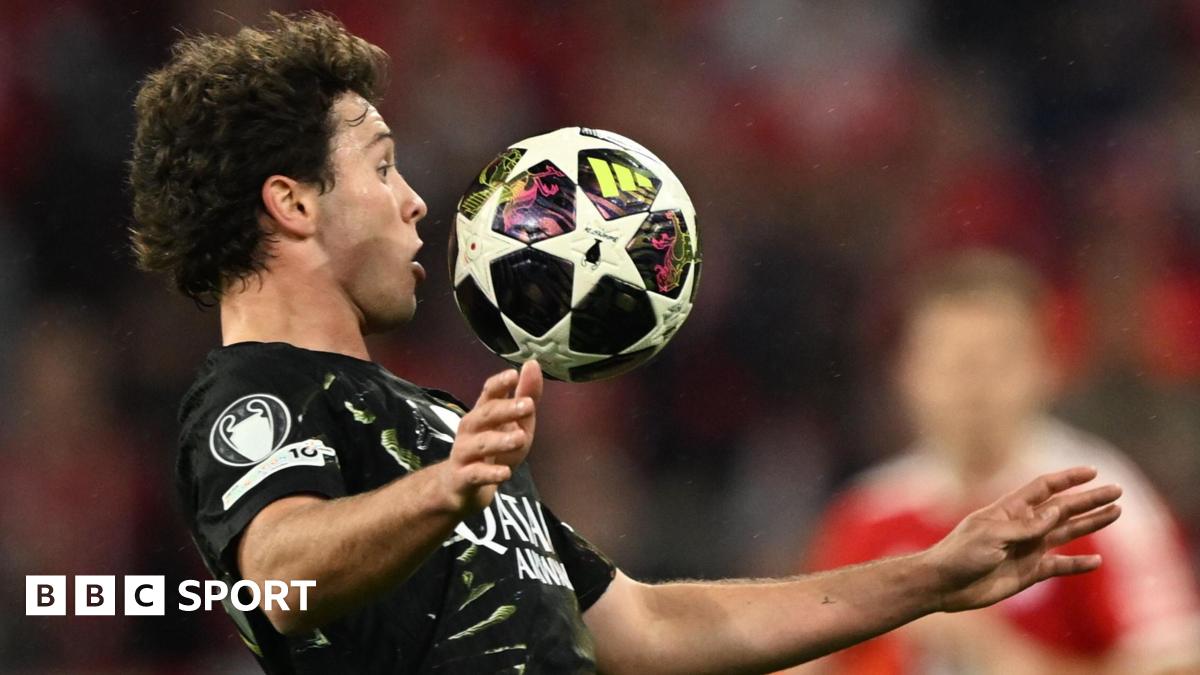
At the half-hour mark, with Bayern trailing and pushing for an equalizer, a pivotal moment occurred when Vitinha's clearance struck his own teammate, Joao Neves, on the arm inside the penalty area. Bayern players immediately surrounded referee Joao Pedro Silva Pinheiro, appealing for a penalty that could have reignited their hopes. However, Pinheiro waved away the protests, and crucially, the Video Assistant Referee (VAR) did not intervene. This decision baffled many, prompting widespread speculation as to why a spot-kick was not awarded. The incident highlighted a lesser-known exemption within the handball law, as explained by football issues correspondent Dale Johnson. According to this exemption, a handball offense is not committed if the ball strikes a player's hand or arm after being played by a teammate, unless the ball goes directly into the opponent's goal or the player scores immediately afterward. This rule, designed for situations where a player is unexpectedly struck by a ball from a teammate, even with an outstretched arm, means a penalty would not typically be given.
Kompany and Pundits Decry Officiating
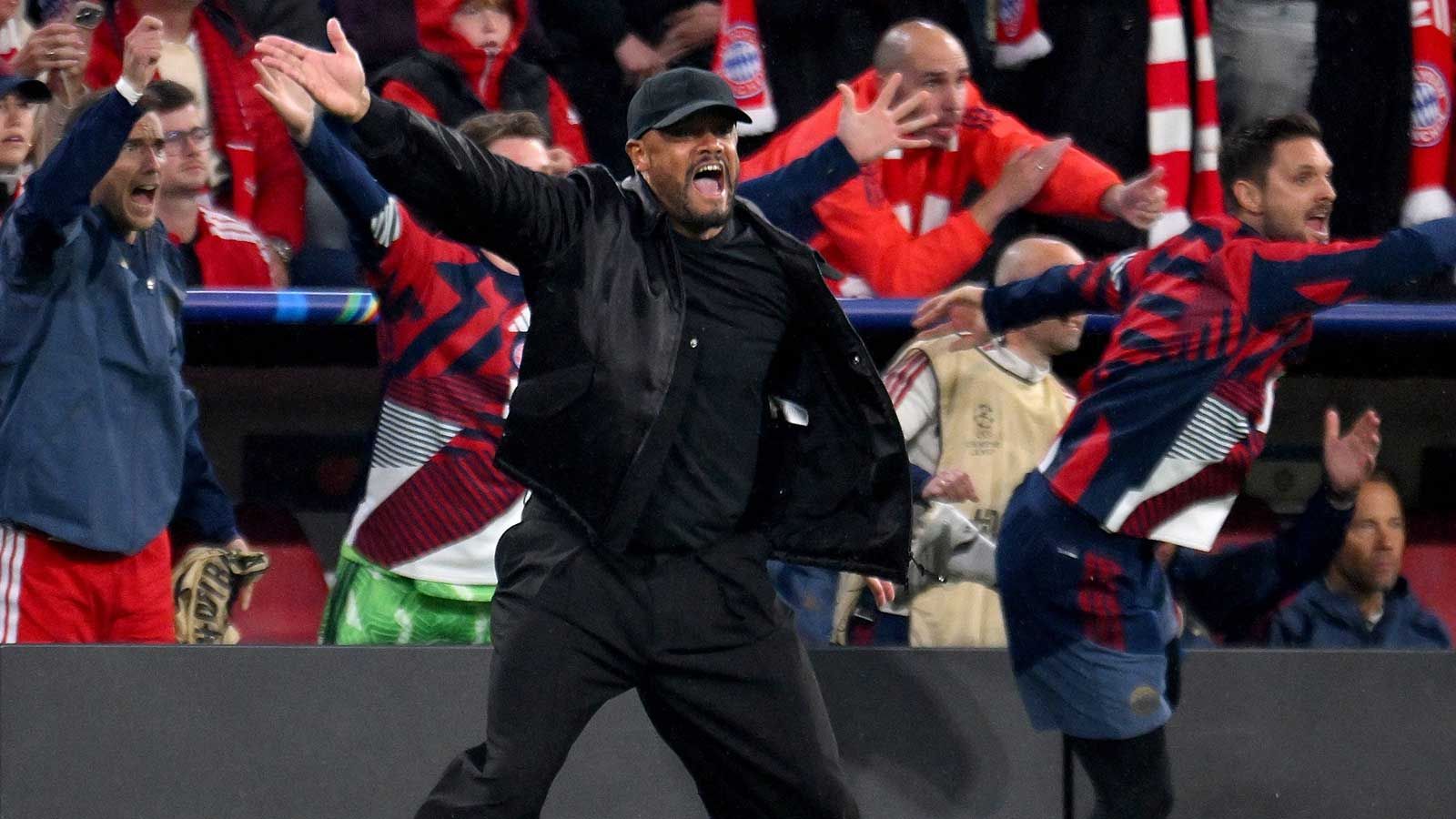
Bayern Munich manager Vincent Kompany voiced his profound dissatisfaction with the officiating, particularly regarding the handball incident. Having conceded a penalty himself in the first leg following a controversial handball call, Kompany found the second-leg decision to be "ridiculous." He stated that while the law might exempt the Neves incident because it came from a teammate, a degree of "common sense" should have prevailed. Former Liverpool defender Stephen Warnock acknowledged the ruling's obscurity, admitting he was unaware of the specific exemption. He noted the general confusion surrounding handball interpretations in the Champions League this season, making it difficult to predict decisions. Chris Sutton, a former striker, labelled the specific handball rule as "really stupid," illustrating its potential for absurd outcomes. These sentiments were echoed by TV pundit Michael Ballack, who reportedly lost his temper during the match. Former Germany international Sami Khedira also weighed in, asserting on DAZN that the referee had "intervened" and "changed the balance" of the game, leaving Bayern "clearly disadvantaged."
Offside Call and a Missed Card Add to Bayern's Grievances
The controversial decisions did not end with the handball incident. In the 23rd minute, Harry Kane appeared to be through on goal after a pass from Josip Stanisic. However, the linesman's flag remained down, and the referee, Joao Pinheiro, immediately blew his whistle, ruling Kane offside. This decision drew criticism for its abruptness, with suggestions that the referee should not have blown before the assistant raised his flag, potentially denying a clear scoring opportunity. Further compounding Bayern's frustration was an incident in the 29th minute involving Nuno Mendes. The PSG defender, already on a yellow card, committed a clear handball to halt a Bayern counter-attack. Instead of issuing a second yellow card and sending Mendes off, the referee controversially called an earlier handball on Bayern's Konrad Laimer. Replays indicated Laimer had controlled the ball with his body, not his hand, making the referee's decision appear erroneous and depriving Bayern of a potential numerical advantage for the remainder of the match. Laimer himself expressed his bewilderment, stating he believed he was merely trying to play the ball and was unaware of any handball. The sequence of these decisions – the offside call and the handling of the Nuno Mendes incident – significantly amplified Bayern's sense of injustice.
The Context of the Champions League Semi-Final
The match took place on Wednesday, May 6, 2026, at the Allianz Arena, a venue steeped in European football history. Bayern Munich, a perennial contender in the Champions League, faced a formidable Paris Saint-Germain side, the reigning champions. The aggregate score entering the second leg indicated a closely contested affair, with PSG holding a narrow lead. Ousmane Dembélé opened the scoring for PSG in the third minute, immediately putting Bayern under pressure. This early goal set the tone for a match where Bayern would be chasing the game, making the subsequent refereeing decisions all the more impactful on their ability to respond. The context of a Champions League semi-final, with its immense stakes and global viewership, amplifies the scrutiny on every decision made by officials. For Bayern, the dream of reaching another final was being dismantled not just by their opponents, but by a series of calls that many felt were fundamentally flawed.
Looking Ahead: The Lingering Questions
The implications of this semi-final exit extend beyond the immediate disappointment for Bayern Munich. The controversial nature of the officiating raises broader questions about the consistency and application of football's laws, particularly the handball rule, in high-stakes matches. The exemption applied in the Neves incident, while technically correct according to some interpretations, clearly left many observers bewildered. For Paris Saint-Germain, this victory propels them into the Champions League final, where they are set to face Arsenal. The performance, however, will be viewed through the lens of the contentious decisions that played a significant role in shaping the narrative of their semi-final triumph. Bayern Munich, meanwhile, must now regroup and reflect on a campaign that ended in acrimony. The focus will inevitably shift to how the club addresses these perceived injustices and prepares for future challenges, with the memory of these officiating decisions likely to linger.
A Season Defined by Controversy
The Champions League semi-final between Bayern Munich and Paris Saint-Germain will likely be remembered not just for its outcome, but for the storm of controversy that engulfed the Allianz Arena. The denied penalty for a handball that fell under a complex legal exemption, an early offside call on Harry Kane, and a missed red card for Nuno Mendes all combined to create a narrative of injustice for the home side. Vincent Kompany's impassioned post-match reaction, alongside the observations of former players and pundits, underscored the widespread feeling that Bayern were significantly disadvantaged by the officiating. The incident involving Joao Neves, in particular, highlighted the often-opaque nature of football's rulebook and its potential to create deeply divisive moments. As Paris Saint-Germain look towards a final against Arsenal, the debate surrounding the referee's performance in Munich will continue. For Bayern, the exit serves as a stark reminder that in elite football, the pursuit of glory can be profoundly impacted by the smallest of interpretations and the most critical of decisions.
The bottom line
- Bayern Munich were eliminated from the Champions League semi-finals on May 6, 2026, after a 1-0 second-leg loss to PSG.
- A key handball appeal for Bayern was denied due to a specific exemption in the laws of the game.
- Bayern manager Vincent Kompany and football pundits heavily criticized the referee's decisions.
- Controversial calls included an offside ruling against Harry Kane and a missed red card for PSG's Nuno Mendes.
- The defeat has ignited debate over the interpretation and application of handball rules in high-profile matches.
- Paris Saint-Germain will now face Arsenal in the Champions League final.






Bayern Munich Grapples with PSG's Pressure in Champions League Standoff

Arsenal and Atlético Madrid Battle for Champions League Final Berth in High-Stakes Second Leg
Chelsea's slide deepens as Forest win 2-0 at Stamford Bridge